

 English
 Español
 Português
-
+86-15669283739
-

-
Automatic Pet Feeder vs. Gravity Feeder: Which Is Better for Your Pet
2026-03-12
Content
- 1 What Is an Automatic Pet Feeder and How Does It Work?
- 2 Automatic Pet Feeder vs. Gravity Feeder: Understanding the Key Differences
- 3 Why an Automatic Pet Feeder Offers Better Portion Control for Pets
- 4 Automatic Pet Feeder vs. Gravity Feeder: Which Is More Convenient for Busy Pet Owners?
- 5 References / Sources
What Is an Automatic Pet Feeder and How Does It Work?
What Is an Automatic Pet Feeder?
An Automatic Pet Feeder is a technologically designed feeding device that dispenses food to pets automatically according to a preset schedule, portion size, or remote command. It belongs to the broader category of modern Smart Pet Feeder products that integrate automation, electronics, and sometimes internet connectivity to support consistent feeding routines for companion animals. Unlike traditional bowls or gravity-fed containers, an Automatic Pet Feeder uses mechanical and electronic systems to control exactly when and how much food is released.
The increasing popularity of the Automatic Pet Feeder is closely connected to the transformation of the global Pet Supplies industry. As more households adopt pets while maintaining busy work schedules, demand has grown for solutions that ensure animals receive meals on time even when their owners are not physically present. Automated feeding technology addresses this need by combining precision scheduling, portion control, and intelligent monitoring capabilities.
At its core, an Automatic Pet Feeder is designed to regulate feeding behavior through controlled dispensing mechanisms. Instead of allowing food to remain constantly available, the device releases specific amounts of kibble or dry food at predetermined intervals. This functionality helps maintain structured feeding routines that align with veterinary recommendations for many pets, particularly cats and dogs prone to overeating or irregular meal patterns.
Many modern Automatic Pet Feeder models also incorporate digital interfaces that allow users to program feeding schedules down to the minute. These systems typically support multiple daily meals, adjustable serving sizes, and memory functions that retain settings even after temporary power interruptions. For pet owners who work long hours or frequently travel, the Automatic Pet Feeder serves as an essential tool that ensures their animals receive consistent nutrition regardless of the owner’s location.
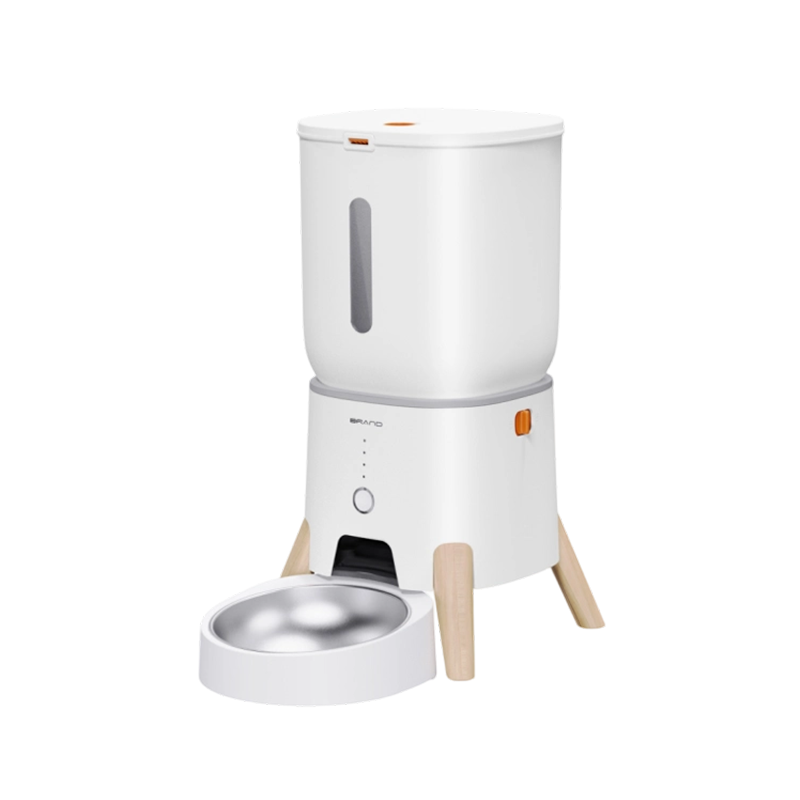
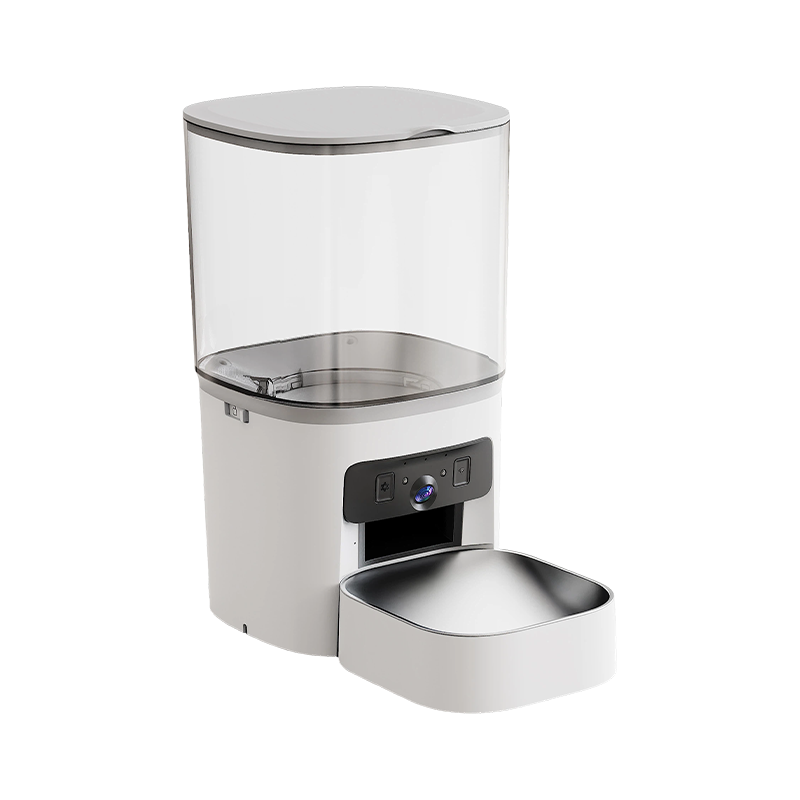
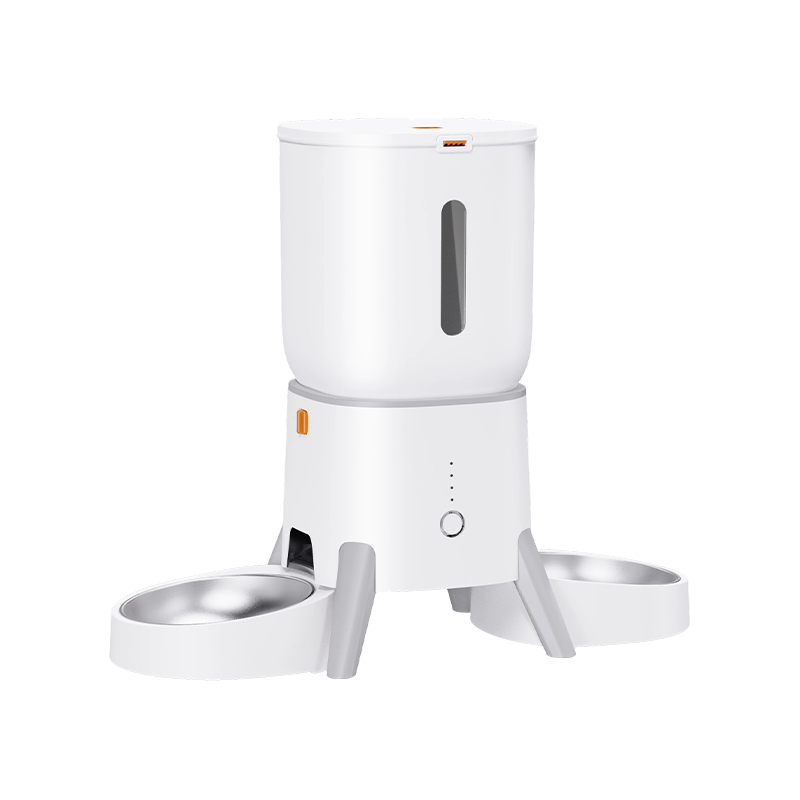
The design of an Automatic Pet Feeder generally consists of several integrated components: a food storage hopper, a dispensing mechanism, a feeding tray or bowl, and a control interface. The hopper stores dry pet food, often holding several days’ worth of meals depending on the size of the device. The dispensing mechanism—commonly an auger, rotating tray, or gravity-assisted chute—releases measured portions into the bowl at scheduled times. Meanwhile, the control system manages the timing, quantity, and frequency of feeding events.
Beyond basic scheduling, many modern Automatic Pet Feeder devices also feature connectivity through mobile applications. These app-controlled feeders enable remote management through smartphones, allowing pet owners to monitor feeding activity, adjust portion sizes, or trigger additional meals when necessary. This remote functionality has transformed the Automatic Pet Feeder into a component of the broader smart home ecosystem.
The materials used in Automatic Pet Feeder construction are also an important aspect of their design. Food containers are typically made from BPA-free plastics or food-grade materials to maintain hygiene and prevent contamination. Feeding bowls are frequently constructed from stainless steel to resist bacterial growth and simplify cleaning. These material choices contribute to the durability and safety of the device during daily use.
Automatic Pet Feeder systems are most commonly used for dry food, as the mechanical dispensing mechanisms operate more reliably with solid kibble than with wet or semi-moist food products. However, some specialized designs include refrigerated compartments or sealed trays intended for wet food feeding schedules.
Within the smart pet care ecosystem, the Automatic Pet Feeder plays a critical role in maintaining consistency in pet nutrition. Regular feeding schedules help stabilize digestion, regulate metabolism, and prevent behavioral issues related to hunger or anxiety. By automating this process, the device supports both pet health and owner convenience.
Automatic Pet Feeder technology continues to evolve as manufacturers integrate advanced sensors, artificial intelligence algorithms, and cloud connectivity. Newer systems can monitor food levels, detect feeding interruptions, and send alerts when the hopper requires refilling. Some models also include cameras and microphones that allow owners to observe and communicate with their pets during mealtime.
The role of the Automatic Pet Feeder within the modern pet care environment extends beyond simple automation. It represents a shift toward data-driven pet management, where feeding routines can be tracked, analyzed, and adjusted to support optimal health outcomes.
Core Components of an Automatic Pet Feeder
Understanding how an Automatic Pet Feeder operates requires examining the internal components that enable automated feeding. Each device relies on a coordinated system of mechanical, electronic, and structural elements that work together to dispense food accurately and reliably.
The first major component is the food storage hopper. This container sits at the top of the feeder and holds the bulk supply of dry pet food. Hopper capacities vary widely depending on the product model, ranging from small containers holding two to three liters of kibble to larger units capable of storing ten liters or more. The hopper design typically includes a sealed lid to protect the food from air exposure, moisture, and contamination.
Below the hopper lies the dispensing mechanism, which is responsible for controlling the release of food. Several types of mechanisms are commonly used in Automatic Pet Feeder designs.
One of the most prevalent systems is the auger-based dispenser. This mechanism uses a rotating screw that moves kibble from the hopper through a chute toward the feeding bowl. The rotation of the auger is controlled by an electric motor that activates at scheduled times. By controlling the duration of rotation, the feeder determines the quantity of food dispensed.
Another common design involves a rotating tray system. In this configuration, a circular tray with multiple compartments rotates at programmed intervals, exposing one compartment of food at a time. This system is often used in feeders designed for pre-portioned meals.
A third type of dispensing system uses gravity-assisted release combined with a sliding gate or motorized flap. The gate opens briefly when the feeder activates, allowing a measured amount of food to fall into the bowl before closing again.
The feeding bowl itself represents another important component. It receives the dispensed food and provides the eating surface for the pet. Many Automatic Pet Feeder models include removable bowls to facilitate cleaning and maintenance.
The control interface acts as the operational center of the feeder. In basic models, this interface may consist of a small digital display and several buttons used to program feeding schedules. In more advanced systems, the interface integrates wireless communication modules such as Wi-Fi or Bluetooth, enabling remote control through smartphone applications.
Power systems also play a crucial role in Automatic Pet Feeder functionality. Most devices operate through standard electrical outlets using power adapters. However, many designs include backup battery compartments that allow the feeder to continue functioning during power outages.
Sensors are increasingly integrated into modern Automatic Pet Feeder models. These sensors can detect issues such as food jams, low food levels, or irregular feeding patterns. Some feeders incorporate infrared sensors to monitor whether food remains in the bowl before dispensing additional portions.
Each of these components must work together precisely to ensure reliable feeding performance. The integration of mechanical motion, electronic timing, and digital programming allows the Automatic Pet Feeder to deliver accurate meals repeatedly over extended periods.
How an Automatic Pet Feeder Dispenses Food
The feeding process in an Automatic Pet Feeder begins with digital programming. Pet owners typically configure the device by selecting the number of meals per day and specifying portion sizes. Depending on the model, users may schedule anywhere from two to twelve meals within a 24-hour cycle.
Once the schedule is programmed, the feeder stores these instructions within its internal memory. At the designated feeding time, the system activates the motor or release mechanism responsible for dispensing food.
In auger-based feeders, the motor rotates the internal screw for a predetermined duration. The rotating screw pushes kibble through a narrow channel until it exits the chute and drops into the bowl. The length of rotation determines the portion size.
In tray-based feeders, the device rotates the compartment tray so that the next food section aligns with the feeding opening. Pets gain access to the food as the tray shifts position.
In gate-release systems, the feeder opens a mechanical flap that allows gravity to release food from the hopper. The gate remains open briefly before closing again to stop the flow.
Many Automatic Pet Feeder devices incorporate anti-jam features that help maintain smooth operation. These features may include wider chutes, reverse motor functions, or vibration systems that prevent kibble from clogging the dispenser.
Modern feeders also use software algorithms to maintain precise portion control. Each dispensing cycle is calibrated to release consistent quantities of food based on internal measurements or motor timing sequences.
Wi-Fi enabled Automatic Pet Feeder models allow remote commands from mobile apps. When a user presses a feed button on the app, the device receives the signal via internet connection and immediately activates the dispensing mechanism. This functionality allows owners to provide additional meals or snacks while away from home.
Certain high-end Automatic Pet Feeder systems also include cameras that allow users to watch their pets during feeding times. Two-way audio features enable owners to call their pets or play recorded messages that signal meal availability.
These operational processes demonstrate how the Automatic Pet Feeder combines mechanical engineering, electronic control systems, and digital connectivity to automate one of the most fundamental aspects of pet care.
Automatic Pet Feeder vs. Gravity Feeder: Understanding the Key Differences
The Basic Design of an Automatic Pet Feeder
An Automatic Pet Feeder is an electronically controlled feeding device designed to dispense a measured portion of food at scheduled intervals. It belongs to the category of intelligent Smart Pet Feeder systems that automate feeding routines through digital programming, sensors, and sometimes internet connectivity. The design of an Automatic Pet Feeder typically integrates mechanical dispensing mechanisms, programmable timers, and electronic control boards that work together to regulate food distribution.
At the structural level, an Automatic Pet Feeder includes several integrated components that differentiate it from passive feeding solutions. The food hopper serves as the primary storage container and is designed to hold a significant volume of dry pet food. Depending on the model, the hopper may store anywhere from several days to multiple weeks of food supply. Airtight seals and secure lids help maintain freshness while preventing pets from accessing the stored food directly.
Beneath the hopper sits the dispensing mechanism. This mechanism controls how food moves from the storage chamber into the feeding bowl. Many Automatic Pet Feeder designs rely on a rotating auger system powered by a small electric motor. The auger slowly turns to move kibble through a chute, releasing precise portions according to programmed instructions. Other designs use rotating trays or motorized gates that release food when triggered by the internal timer.
The electronic control interface plays a central role in the operation of an Automatic Pet Feeder. Through this interface, users program meal times, set portion sizes, and configure daily feeding schedules. Some devices allow up to twelve feeding cycles per day, each with adjustable serving sizes. Advanced feeders include LCD displays, touch panels, or smartphone application interfaces that allow remote configuration.
Wireless connectivity is another defining feature in many Automatic Pet Feeder models. Wi-Fi enabled feeders connect to mobile applications, allowing users to control feeding schedules remotely. This connectivity allows pet owners to dispense food on demand, modify portion sizes, and receive notifications when meals are served.
Sensor integration further distinguishes the Automatic Pet Feeder from simpler feeding systems. Sensors monitor food levels, detect potential jams, and ensure that dispensing mechanisms operate correctly. Some feeders include infrared sensors that check whether food remains in the bowl before releasing additional portions.
The power system also contributes to the complexity of an Automatic Pet Feeder. Most units operate through electrical adapters while also incorporating backup battery compartments. Battery support ensures that feeding schedules remain active during power outages.
Through the integration of electronic control systems, programmable schedules, and mechanical dispensing mechanisms, the Automatic Pet Feeder functions as a controlled feeding solution designed to regulate meal timing and portion accuracy.
The Basic Design of a Gravity Feeder
A gravity feeder represents one of the most traditional feeding solutions within the Pet Supplies market. Unlike an Automatic Pet Feeder, a gravity feeder operates without electronic components or programmable features. The system relies entirely on gravitational force to replenish food in the bowl as pets consume it.
The basic structure of a gravity feeder consists of two primary components: a food storage container and a feeding tray. The container typically sits above the bowl and holds a large volume of dry pet food. A narrow opening connects the container to the bowl, allowing kibble to flow downward as space becomes available.
When a pet eats from the bowl, the level of food decreases. As the food level drops below the opening of the container, gravity causes additional kibble to fall into the bowl until it reaches the opening again. This process continues automatically as long as food remains in the storage container.
Gravity feeders are generally made from plastic materials, though some models incorporate stainless steel bowls or transparent storage chambers that allow owners to monitor remaining food levels. Because the system has no moving parts or electronic circuits, its mechanical structure remains extremely simple.
Capacity is often one of the defining characteristics of a gravity feeder. Many models hold several kilograms of dry food, allowing the bowl to refill repeatedly over an extended period. This design supports continuous food availability for pets that prefer grazing throughout the day.
Cleaning and maintenance are relatively straightforward due to the simple structure. Most gravity feeders can be disassembled into two or three parts, making them easy to wash and reassemble.
Despite its simplicity, the gravity feeder offers very limited control over feeding patterns. Food becomes available continuously, allowing pets to eat whenever they choose. This lack of portion regulation differentiates the gravity feeder significantly from the more controlled feeding environment created by an Automatic Pet Feeder.
Feeding Control and Portion Management
One of the most significant differences between an Automatic Pet Feeder and a gravity feeder lies in the level of feeding control each system provides.
The Automatic Pet Feeder is designed specifically for precise portion management. Through digital programming, owners determine exactly how much food is dispensed at each scheduled feeding time. Portion sizes are typically measured in grams or cup equivalents depending on the feeder’s calibration system. Some feeders allow increments as small as a few grams, enabling highly accurate feeding plans.
This level of control is particularly valuable for pets with specific dietary requirements. Cats and dogs prone to overeating can benefit from regulated portion sizes that prevent excessive calorie intake. Veterinary feeding guidelines often recommend structured meal schedules rather than continuous access to food, especially for pets that struggle with weight management.
The Automatic Pet Feeder also supports consistent feeding intervals. Owners can schedule multiple meals per day, ensuring that pets receive food at predictable times. This consistency helps stabilize digestion and metabolism while reducing anxiety associated with irregular feeding.
In contrast, the gravity feeder offers virtually no portion control. Food flows into the bowl automatically whenever the level decreases, meaning pets can access unlimited food at any time. For animals that naturally regulate their own intake, this system may function adequately. However, many pets lack the self-regulation needed to prevent overeating when food is constantly available.
The continuous feeding environment created by gravity feeders can also make it difficult for owners to monitor exactly how much food their pet consumes each day. Without controlled portions, tracking calorie intake becomes challenging.
Automatic Pet Feeder systems also enable feeding customization for multi-meal routines. Smaller meals distributed throughout the day can support digestive health, particularly for pets that benefit from slow feeding patterns. Some feeders allow micro-portion dispensing at frequent intervals, creating a controlled grazing pattern.
In households with multiple pets, portion management becomes even more important. Some Automatic Pet Feeder models incorporate pet recognition technology or microchip detection systems to ensure that specific animals receive designated meals.
Scheduling and Automation Differences
Automation represents another major distinction between the Automatic Pet Feeder and the gravity feeder.
The Automatic Pet Feeder operates according to a programmable schedule. Users configure feeding times using the device interface or a connected smartphone application. Once programmed, the feeder automatically releases food at those specific times every day. This functionality ensures that pets maintain a consistent routine even when their owners are away from home.
Time-based automation can be particularly beneficial for households with irregular work schedules. Owners who leave home early in the morning or return late at night can rely on the Automatic Pet Feeder to provide meals during the day.
Many feeders support multiple daily feedings, allowing owners to distribute meals evenly across a 24-hour period. The feeder’s internal clock ensures that each feeding occurs at the correct time.
Wi-Fi enabled Automatic Pet Feeder models add another layer of automation through remote control capabilities. Mobile applications allow users to modify feeding schedules, dispense additional portions, or pause feeding cycles remotely.
Gravity feeders operate without any scheduling functionality. Because the system relies entirely on gravity, food becomes available continuously rather than at specific times. Pets determine their own feeding schedule by choosing when to eat from the bowl.
While this constant availability may suit certain animals, it eliminates the structured feeding environment created by an Automatic Pet Feeder. Pets accustomed to routine feeding times may experience behavioral differences when food is always present.
Automation also extends to monitoring features. Advanced Automatic Pet Feeder models may send notifications when meals are dispensed or when food levels are low. Some devices even include cameras that allow owners to observe their pets during feeding times.
Technology and Smart Features
Technology integration further distinguishes the Automatic Pet Feeder from traditional gravity feeding systems.
Modern Automatic Pet Feeder models frequently include digital displays, smartphone connectivity, and cloud-based data storage. These features allow users to monitor feeding history, adjust schedules remotely, and receive maintenance alerts.
Some feeders also incorporate voice recording systems. Owners can record a short message that plays when the feeder dispenses food, calling the pet to the feeding area.
Camera-equipped feeders allow real-time observation of pets during meals. These cameras often support two-way audio communication, enabling owners to speak to their pets remotely.
Additional smart features may include:
-
Food level sensors
-
Jam detection alerts
-
Feeding logs and analytics
-
Voice assistant compatibility
-
Mobile push notifications
Gravity feeders lack these technological capabilities. Their design remains entirely mechanical and passive. While this simplicity can reduce potential points of failure, it also limits functionality and monitoring capabilities.
Hygiene and Food Storage Differences
Food storage and hygiene practices differ significantly between Automatic Pet Feeder systems and gravity feeders.
Automatic Pet Feeder models typically incorporate sealed storage containers that help protect food from air exposure and moisture. Airtight lids maintain kibble freshness for longer periods. Some feeders also include desiccant compartments that reduce humidity inside the hopper.
Because the feeder dispenses food in measured portions, only small amounts remain exposed in the bowl at any given time. This reduces the risk of contamination or spoilage.
Gravity feeders expose larger quantities of food continuously. The bowl remains filled for extended periods, which can attract dust, insects, or bacteria. In humid environments, prolonged exposure may also affect food quality.
Cleaning routines differ as well. Automatic Pet Feeder components often require periodic disassembly to clean the hopper, chute, and bowl. Gravity feeders typically require fewer parts to clean but may need more frequent bowl washing due to constant food exposure.
Material selection also plays a role in hygiene. Many Automatic Pet Feeder bowls use stainless steel or antibacterial materials designed to minimize bacterial growth.
Behavioral Effects on Pets
Feeding systems influence pet behavior in various ways, and the choice between an Automatic Pet Feeder and a gravity feeder can shape eating patterns.
Automatic Pet Feeder systems establish structured meal routines. Pets learn to anticipate feeding times and develop consistent eating habits. Predictable schedules can reduce anxiety related to food availability and help maintain daily rhythms.
Scheduled feeding can also support training routines. Owners may align meal times with activity periods or medication schedules.
Gravity feeders encourage free-feeding behavior. Pets can approach the bowl whenever they feel hungry. Some animals adapt well to this arrangement, while others may repeatedly visit the bowl out of boredom rather than hunger.
Behavioral differences may also appear in multi-pet households. When food is continuously available in a gravity feeder, dominant animals may guard the bowl or consume disproportionate amounts of food.
Automatic Pet Feeder systems reduce these conflicts by controlling meal times and portion sizes.
Feeding devices therefore play an important role in shaping daily routines, dietary patterns, and behavioral responses in domestic pets.
Why an Automatic Pet Feeder Offers Better Portion Control for Pets
The Importance of Portion Control in Pet Nutrition
Portion control plays a central role in maintaining the long-term health and well-being of domestic pets. Within modern companion animal care, nutrition management is no longer limited to the quality of food alone; the quantity and timing of meals also influence metabolism, body weight, digestive efficiency, and behavioral stability. Devices such as the Automatic Pet Feeder have become increasingly relevant in this context because they allow pet owners to regulate food distribution with a level of precision that traditional feeding methods cannot consistently achieve.
Domestic cats and dogs often rely entirely on their owners to determine how much food they consume each day. Unlike wild animals that naturally regulate feeding patterns through hunting cycles and environmental conditions, pets live in controlled environments where food availability is largely unrestricted unless owners impose structured feeding practices. In households that rely on open bowls or gravity-based feeders, animals may eat whenever food is accessible, which can lead to irregular meal patterns and uncontrolled caloric intake.
Portion control helps address several nutritional concerns that arise in modern pet lifestyles. One of the most common issues is excessive caloric consumption. Companion animals, particularly indoor cats and small dog breeds, often have lower activity levels than their wild counterparts. Without regulated meal sizes, even minor overfeeding can gradually accumulate into significant weight gain over time.
Veterinary nutrition guidelines typically recommend specific daily caloric intake ranges based on species, breed, age, body weight, and activity level. Translating those recommendations into consistent feeding practices requires accurate measurement of food portions. Manual feeding methods often introduce variability, especially when different family members feed the pet or when serving sizes are estimated rather than measured.
The structure provided by an Automatic Pet Feeder directly addresses this challenge. Instead of relying on manual scooping or visual estimation, the feeder dispenses precise amounts of food that correspond to the programmed portion size. The mechanical dispensing system ensures that each meal remains consistent in volume and timing.
In addition to calorie management, portion control also influences digestive efficiency. Many animals benefit from smaller, evenly spaced meals throughout the day rather than one or two large portions. Controlled meal distribution can reduce gastrointestinal stress, improve nutrient absorption, and stabilize blood sugar levels.
The concept of portion control extends beyond preventing overeating. Structured feeding routines also support pets that require strict dietary monitoring due to medical conditions. Animals diagnosed with metabolic disorders, digestive sensitivities, or post-surgical dietary restrictions may require carefully regulated meal sizes. Automated feeding systems can help maintain these controlled diets with minimal deviation.
Within the broader market of Pet Supplies, the demand for portion-control feeding devices reflects a growing awareness of preventive health care for companion animals. Pet owners increasingly seek tools that help maintain healthy weight ranges and reduce the risk of diet-related health problems.
Precision Feeding Technology in Automatic Pet Feeder Systems
The ability of an Automatic Pet Feeder to deliver accurate portion sizes stems from its integrated dispensing technology. These devices combine mechanical components, digital programming systems, and sometimes sensor-based feedback mechanisms to regulate food distribution with consistent accuracy.
Most Automatic Pet Feeder models rely on a motorized dispensing mechanism. One common design uses an auger-based system, where a rotating screw gradually pushes dry kibble from the food hopper through a dispensing channel. The feeder controls portion size by adjusting the duration of the motor’s rotation. Short rotations release smaller amounts of food, while longer rotations dispense larger servings.
Other feeders use segmented trays or compartment-based systems. In these designs, individual compartments are pre-filled with specific meal portions. The feeder rotates the tray at scheduled intervals, exposing one portion at a time. This design is particularly useful for pets that require exact meal measurements.
Digital calibration also contributes to the precision of an Automatic Pet Feeder. Many models allow users to define portion sizes in grams or in standardized feeding units. The feeder’s internal software translates these settings into motor operation cycles that correspond to the selected serving size.
The consistency provided by automated dispensing technology helps eliminate many of the variables associated with manual feeding. When humans measure pet food using scoops or cups, the actual portion size may vary depending on how the scoop is filled, the density of the kibble, or simple measurement inconsistencies. An Automatic Pet Feeder performs the same dispensing motion during every feeding cycle, producing highly repeatable results.
Advanced feeders incorporate sensors that further refine portion control. Some devices include infrared sensors positioned near the bowl to detect leftover food before dispensing the next meal. If uneaten food remains, the feeder may delay the next scheduled feeding or adjust the portion size to prevent accumulation.
Food level sensors also contribute to portion accuracy. By monitoring the remaining food supply within the hopper, the feeder can notify the owner when the storage container requires refilling. This feature helps ensure that feeding schedules remain uninterrupted.
In Wi-Fi-enabled feeders, portion control settings can be modified through mobile applications. Owners can increase or decrease serving sizes remotely in response to changes in the pet’s activity level, weight management plan, or veterinary recommendations.
The combination of mechanical dispensing precision and digital configuration transforms the Automatic Pet Feeder into a reliable nutritional management tool. Each feeding cycle operates according to the exact parameters defined by the owner, minimizing inconsistencies in meal size.
Preventing Overfeeding and Obesity in Pets
Excess body weight represents one of the most common health concerns affecting companion animals. Veterinary studies frequently identify obesity as a significant risk factor for numerous medical conditions in cats and dogs. These conditions include joint disorders, cardiovascular strain, diabetes, and reduced life expectancy.
Overfeeding is often unintentional. Pet owners may misinterpret begging behavior as hunger or may provide additional treats throughout the day without adjusting regular meal sizes. Over time, these small increments of extra food can lead to gradual weight gain.
The controlled dispensing capabilities of an Automatic Pet Feeder help limit these risks by enforcing predetermined portion sizes. Once the daily feeding schedule and serving sizes are programmed into the device, the feeder delivers meals without deviation. The system eliminates the possibility of unintentionally increasing meal sizes during manual feeding.
In multi-person households, automated feeding also prevents duplicate meals. When several family members share responsibility for feeding a pet, miscommunication can lead to accidental double feeding. An Automatic Pet Feeder centralizes the feeding process, ensuring that meals occur only according to the programmed schedule.
Portion control also helps regulate treat distribution. Some feeders allow owners to schedule small snack portions during the day rather than providing treats manually. This controlled approach integrates treats into the pet’s daily caloric allowance.
Structured feeding patterns created by an Automatic Pet Feeder also reduce opportunistic eating behavior. Pets that receive predictable meals at consistent intervals often develop more stable appetite patterns. This stability can decrease excessive food-seeking behavior.
Weight management programs for overweight pets frequently involve strict caloric limits. Automated feeding systems help maintain these limits with consistent precision. When portion sizes remain stable from day to day, monitoring weight changes becomes more reliable.
Supporting Specialized Diet Plans
Certain pets require highly specific dietary management due to health conditions, life stage requirements, or veterinary treatment plans. In these cases, accurate portion control becomes even more critical.
An Automatic Pet Feeder allows owners to maintain precise feeding routines that align with specialized diets. For example, pets recovering from surgery may require smaller, more frequent meals to support digestion and nutrient absorption. Automated feeding schedules can distribute these meals evenly throughout the day.
Animals diagnosed with metabolic disorders often require strict meal timing to regulate blood glucose levels. Consistent portion sizes delivered at predictable intervals help maintain metabolic stability.
Some pets also consume prescription diets designed to address specific medical conditions. These diets often require strict portion adherence to maintain their therapeutic effect. The Automatic Pet Feeder provides a reliable method for delivering the correct quantity of food during every feeding cycle.
Puppies and kittens undergoing growth phases may require gradual adjustments in portion size as their nutritional needs change. Automated feeders allow owners to modify meal quantities incrementally without disrupting the feeding schedule.
Senior pets may also benefit from regulated feeding routines. Aging animals sometimes experience changes in appetite or digestive efficiency. Smaller, controlled meals can improve comfort and nutrient utilization.
The programmable nature of an Automatic Pet Feeder allows owners to customize feeding schedules that align with the unique nutritional requirements of each pet. Adjustments can be made easily through device interfaces or mobile applications.
Automatic Pet Feeder vs. Gravity Feeder: Which Is More Convenient for Busy Pet Owners?
The Daily Challenges Busy Pet Owners Face with Feeding Schedules
Modern lifestyles often require long working hours, commuting, business travel, and irregular schedules, all of which can make maintaining a consistent pet feeding routine difficult. Pet owners who work full-time or frequently leave home during the day often face challenges ensuring that their pets receive meals at the correct times and in appropriate portions. In this context, feeding technology such as the Automatic Pet Feeder has emerged as an increasingly popular solution for maintaining reliable feeding routines.
Many pets, particularly cats and dogs, thrive on routine. Regular feeding times support stable digestion, predictable energy levels, and reduced anxiety. However, when owners must leave home early in the morning or return late in the evening, maintaining a strict feeding schedule through manual feeding becomes difficult. Owners may attempt to compensate by leaving larger portions of food in the bowl before leaving the house. This practice often results in irregular eating patterns because pets may consume the entire portion immediately or eat unpredictably throughout the day.
Another common challenge involves midday feeding. Puppies, kittens, and certain breeds of dogs require multiple meals during the day. Owners who are away at work may not be able to return home during lunch hours to provide these additional feedings. Without automated assistance, maintaining recommended feeding frequencies becomes complicated.
Unexpected schedule changes also affect manual feeding routines. Meetings, traffic delays, overtime work, and social commitments can cause pet owners to arrive home later than expected. When feeding times shift frequently, pets may experience irregular meal intervals that disrupt their natural rhythms.
Travel represents another situation in which feeding convenience becomes a concern. Short overnight trips or weekend travel plans require owners to arrange alternative feeding arrangements. Some rely on friends, neighbors, or professional pet sitters to visit the home and feed the pet. While this approach can work temporarily, it introduces additional coordination and expense.
The increasing demand for convenience in pet care has contributed to the growth of automated feeding devices within the broader Pet Supplies market. Devices designed to automate feeding schedules allow owners to maintain consistent routines without needing to be physically present at every meal.
Busy households often seek solutions that reduce daily responsibilities while still ensuring proper pet care. Automated feeding technology addresses this need by combining programmable meal schedules, portion control, and remote monitoring features. In contrast, traditional feeding systems such as gravity feeders rely on passive food availability rather than active scheduling.
Understanding how each system supports or limits convenience helps clarify the practical differences between automated feeders and gravity-based feeding devices.
Convenience Features of an Automatic Pet Feeder
The convenience provided by an Automatic Pet Feeder primarily comes from its programmable automation and remote control capabilities. Once the feeding schedule and portion sizes are configured, the device operates independently, dispensing meals according to the programmed timetable.
Programming typically occurs through a digital control panel or mobile application interface. Owners select the number of meals per day, determine portion sizes, and specify exact feeding times. After this configuration is complete, the Automatic Pet Feeder continues operating without requiring manual intervention for each meal.
This automation significantly reduces the daily responsibilities associated with feeding pets. Instead of remembering to measure food portions multiple times each day, the feeder performs these tasks automatically.
Many Automatic Pet Feeder models allow several meals to be scheduled within a 24-hour cycle. This capability is particularly helpful for pets that require smaller meals distributed throughout the day rather than one or two large servings. Busy owners can program early morning feedings, midday meals, and evening portions even if they are not present at home during those times.
Wi-Fi connectivity introduces another layer of convenience. Smart feeders connected to mobile applications allow owners to control feeding remotely through their smartphones. Remote feeding commands can be triggered with a single tap on the app interface. This functionality allows owners to provide an additional meal or snack while traveling or working outside the home.
Mobile applications also enable owners to modify feeding schedules at any time. If a pet’s dietary needs change or if an owner’s schedule shifts, adjustments can be made instantly through the app without interacting directly with the device.
Another convenience feature involves feeding notifications. Many Automatic Pet Feeder systems send alerts when meals are dispensed. These notifications confirm that the feeding process occurred successfully and provide reassurance that the pet has received its meal.
Food level monitoring also contributes to convenience. Sensors inside some feeders detect when the hopper is running low on food and send reminders to refill the container. This feature prevents situations in which a scheduled feeding fails because the hopper is empty.
Some advanced Automatic Pet Feeder models include integrated cameras and microphones. These features allow owners to observe their pets during feeding times and communicate with them remotely. Seeing the pet eat can provide reassurance for owners who are away from home for extended periods.
Voice recording features are another common convenience function. Owners can record a short message that plays automatically when the feeder dispenses food. Pets learn to associate the message with mealtime, which encourages them to approach the feeder when food is released.
Power backup systems also contribute to reliability and convenience. Many feeders include battery backup compartments that maintain operation during power outages. This redundancy ensures that scheduled meals continue even if household electricity is temporarily unavailable.
By automating meal timing, portion measurement, and monitoring tasks, the Automatic Pet Feeder reduces the amount of daily attention required from pet owners.
Convenience Characteristics of Gravity Feeders
Gravity feeders represent one of the simplest feeding devices available for pets. Their operation relies entirely on gravitational force to refill the feeding bowl whenever food levels drop below the opening of the storage container.
The design of a gravity feeder includes a large food reservoir positioned above the bowl. As pets consume kibble from the bowl, additional food automatically falls from the reservoir into the feeding tray. This passive replenishment process continues until the reservoir becomes empty.
From a convenience perspective, the main advantage of a gravity feeder lies in its simplicity. Because the device contains no electronic components or moving parts, it requires no programming, power supply, or technical configuration. Owners simply fill the container with dry food and place the feeder in the pet’s feeding area.
The large storage capacity of many gravity feeders allows them to hold several days’ worth of food. Owners may refill the container once every few days rather than preparing meals daily. This characteristic provides a basic level of convenience for owners who prefer minimal involvement in feeding routines.
Cleaning gravity feeders is generally straightforward because the device typically consists of only two or three detachable components. The food container and bowl can be washed and reassembled quickly.
Gravity feeders also eliminate the need to manage digital interfaces, smartphone apps, or Wi-Fi connections. Owners who prefer simple mechanical solutions may find this minimalistic design appealing.
However, the passive nature of gravity feeding introduces certain limitations related to convenience. Because the system does not regulate portion sizes or feeding times, pets may consume food unpredictably throughout the day. Owners who wish to maintain structured feeding schedules cannot rely on gravity feeders to enforce meal timing.
Monitoring food consumption becomes more difficult. With food continuously available in the bowl, it is harder to determine exactly how much the pet eats during a specific period.
The absence of remote monitoring also means that owners have limited insight into feeding activity while away from home. If the pet stops eating due to illness or if food becomes contaminated, the gravity feeder provides no alerts or notifications.
While gravity feeders reduce daily feeding tasks through constant food availability, they do not provide the structured automation offered by an Automatic Pet Feeder.
References / Sources
-
Laflamme, D. (2012). Understanding and Managing Obesity in Dogs and Cats. Veterinary Clinics of North America: Small Animal Practice, 42(4), 631–646.
-
German, A. J. (2016). The Growing Problem of Obesity in Dogs and Cats. Journal of Nutrition, 136(7), 1940S–1946S.
-
Zoran, D. L. (2010). The Carnivore Connection to Nutrition in Cats. Journal of the American Veterinary Medical Association, 221(11), 1559–1567.
-
Association of American Feed Control Officials (AAFCO). (2023). Official Publication: Dog and Cat Food Nutrient Profiles.
-
American Veterinary Medical Association (AVMA). (2022). Pet Nutrition and Feeding Guidelines.

Contact Information
No. 2, Macaotou Road, Mazhu Town, Yuyao City, Zhejiang Province, China
+86-15669283739
Copyright © Ningbo Meace Pet Products Co., Ltd. Rights Reserved
