

 English
 Español
 Português
-
+86-15669283739
-

-
Home / News / Industry News / Essential Pet Grooming Tools and Hair Vacuum Cleaners for a Cleaner Home
Essential Pet Grooming Tools and Hair Vacuum Cleaners for a Cleaner Home
2026-04-09
Content
- 1 The Importance of Pet Grooming Tools
- 2 Advantages of Pet Hair Vacuum Cleaners
- 3 Integration of Grooming Tools and Vacuum Cleaners
- 4 Selecting the Right Tools for Your Pet
- 5 Maintenance Tips for Grooming Tools and Vacuums
- 6 Choosing Pet-Friendly and Safe Tools
- 7 Emerging Trends in Pet Grooming Technology
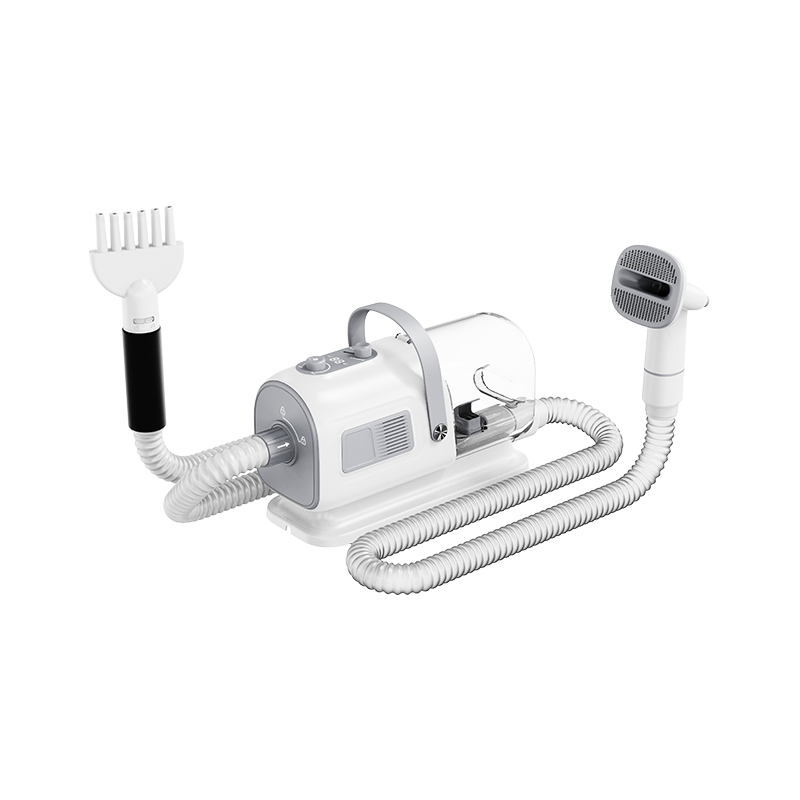
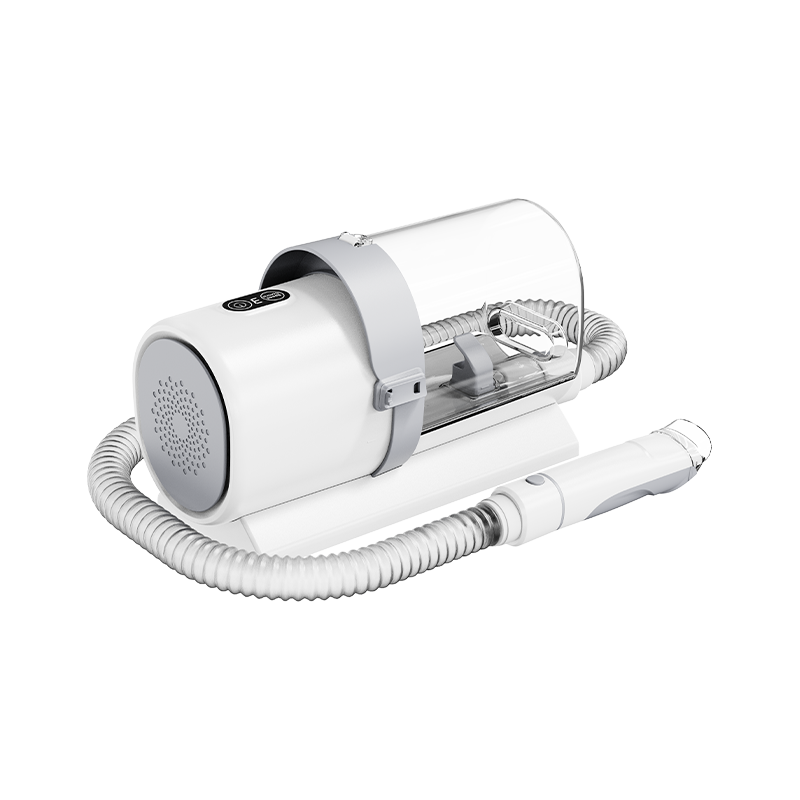
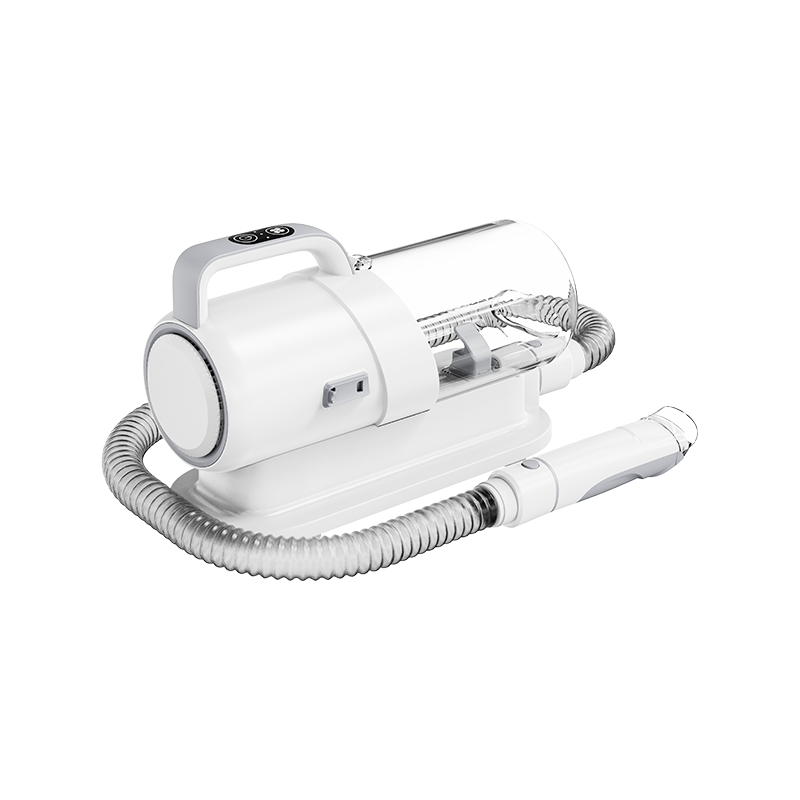
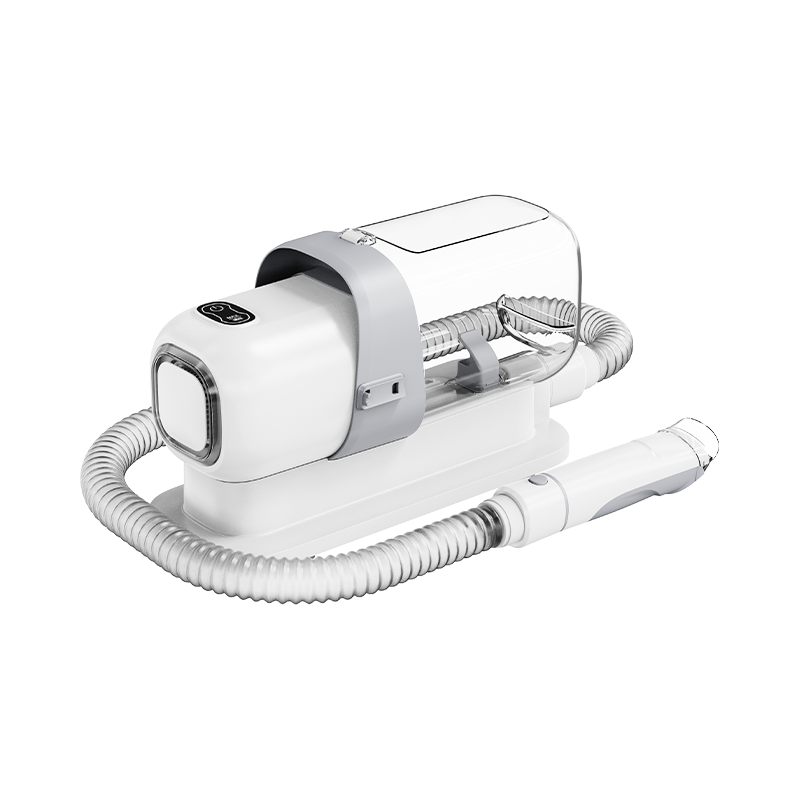
Pet grooming tools and pet hair vacuum cleaners are essential for maintaining your pet’s health and a clean home. Regular grooming not only reduces shedding but also prevents skin issues, tangles, and matting. Complementing grooming with a dedicated pet hair vacuum cleaner ensures that pet hair doesn’t accumulate on furniture, floors, or clothing.
The Importance of Pet Grooming Tools
Pet grooming tools include brushes, combs, deshedding tools, nail clippers, and grooming gloves. Each serves a specific purpose to maintain coat health and hygiene.
Types of Grooming Brushes
- Slicker brushes: Remove loose hair and untangle mats in medium to long coats
- Bristle brushes: Smooth short coats and distribute natural oils for shine
- Pin brushes: Gentle detangling for sensitive areas like the tail or legs
Deshedding Tools
Deshedding tools such as the FURminator reach undercoat hair that normal brushes cannot remove, reducing shedding by up to 90% when used weekly.
Nail Clippers and Grooming Gloves
Regular nail trimming prevents joint strain and reduces scratching damage. Grooming gloves provide gentle massage while collecting loose hair directly from the pet’s coat.
Advantages of Pet Hair Vacuum Cleaners
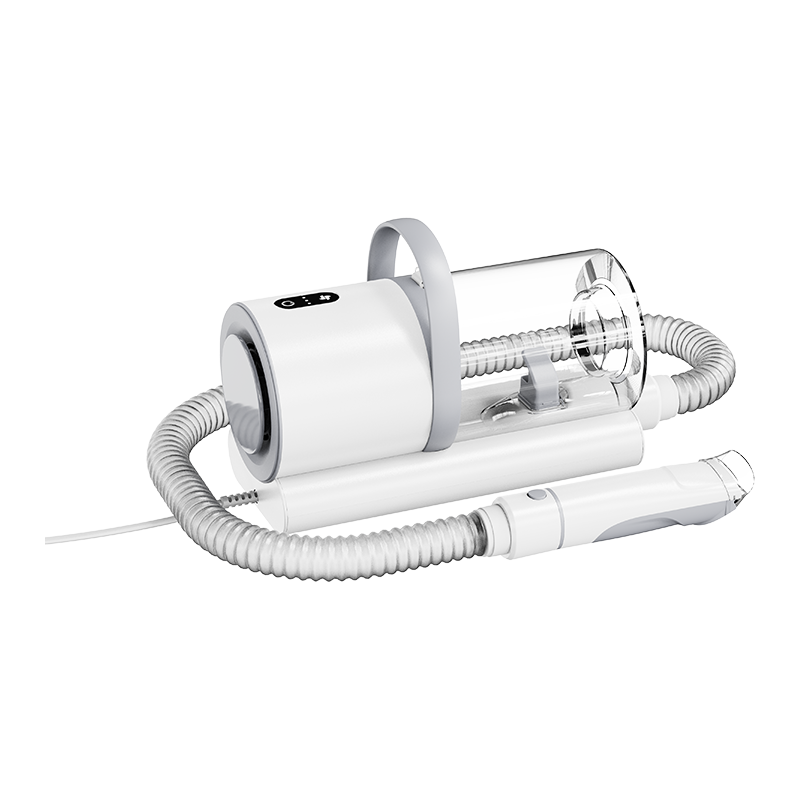
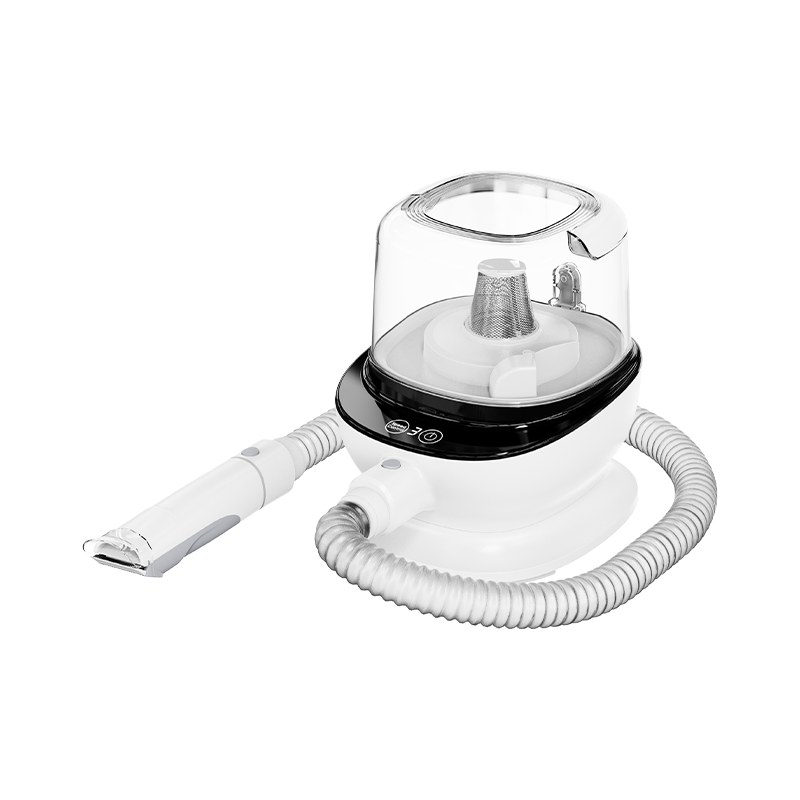
Pet hair vacuum cleaners are designed with stronger suction, specialized brushes, and HEPA filtration to capture pet hair, dander, and allergens efficiently. Unlike regular vacuums, they prevent clogging caused by long fur and maintain performance over repeated use.
Enhanced Suction and Brush Design
Pet hair vacuums typically feature motorized brush heads that loosen and lift fur from carpets and upholstery. For example, some models offer rotating bristle rolls that capture embedded hair effectively, reducing manual lint rolling time by up to 75%.
HEPA Filtration
High-efficiency particulate air (HEPA) filters trap fine dander and allergens, improving indoor air quality for both pets and owners with allergies.
Corded vs. Cordless Models
Cordless models provide portability for quick cleanups, while corded models offer consistent suction for deep cleaning larger spaces. Choosing depends on household size and cleaning frequency.
Integration of Grooming Tools and Vacuum Cleaners
A practical routine combines grooming tools and a pet hair vacuum cleaner. Regular brushing removes loose fur before it falls onto furniture or floors, and vacuuming captures any remaining hair or dander. This integrated approach reduces shedding buildup by 50–80% compared to vacuuming alone.
Routine Grooming Schedule
- Short-haired dogs: Brush 2–3 times weekly, vacuum once daily in high-traffic areas
- Long-haired dogs and cats: Brush daily, use deshedding tools weekly, vacuum every other day
- Pets with sensitive skin: Use grooming gloves for gentle hair removal, and vacuum lightly to avoid irritation
Furniture and Clothing Maintenance
Specialized vacuum attachments allow pet hair removal from couches, bedding, and clothing. Microfiber rollers or turbo brush heads efficiently lift fur that regular vacuum attachments miss.
Selecting the Right Tools for Your Pet
Choosing proper grooming tools and a pet hair vacuum cleaner depends on your pet’s coat type, size, and shedding pattern.
| Coat Type | Grooming Tool | Vacuum Cleaner |
|---|---|---|
| Short-haired | Bristle brush, grooming glove | Lightweight corded or cordless vacuum |
| Long-haired | Slicker brush, deshedding tool | Heavy-duty vacuum with turbo brush |
| Curly or wiry | Pin brush, comb | Vacuum with adjustable suction and brush roll |
Maintenance Tips for Grooming Tools and Vacuums
Proper maintenance of grooming tools and pet hair vacuum cleaners ensures longevity and optimal performance. Neglecting cleaning can lead to reduced efficiency and potential hygiene issues.
Cleaning Grooming Tools
- Remove accumulated hair from brushes and combs after each use
- Wash grooming gloves and silicone brushes periodically with mild soap
- Sharpen or replace blade edges on nail clippers to prevent injury
Vacuum Cleaner Maintenance
- Empty dustbins and replace filters regularly
- Clean brush rolls to remove tangled hair and debris
- Check suction paths for blockages to maintain efficiency
Choosing Pet-Friendly and Safe Tools
It’s essential to select grooming tools and vacuum cleaners that are safe and comfortable for pets. Sharp edges, harsh bristles, or excessively noisy vacuums can stress animals and reduce grooming effectiveness.
Noise Considerations
Choose vacuums with low-decibel operation to prevent anxiety in pets. Models under 70 dB are generally considered quiet enough for sensitive animals.
Ergonomics and Handling
Grooming tools should fit comfortably in the hand, and vacuums should be lightweight or have swivel heads for easy maneuvering around furniture and pets.
Emerging Trends in Pet Grooming Technology
Modern innovations are making pet grooming faster, cleaner, and more effective. Smart grooming tools and advanced vacuum technologies are leading the way.
Smart Grooming Tools
Some brushes now include sensors to monitor hair health, shedding levels, and skin condition. Data can be transmitted to apps for personalized grooming schedules.
Robotic Pet Hair Vacuums
Robotic vacuums designed for pet hair can automatically detect hair accumulation and adjust suction power accordingly. Some models also map the home to efficiently clean high-traffic areas where pets spend the most time.

Contact Information
No. 2, Macaotou Road, Mazhu Town, Yuyao City, Zhejiang Province, China
+86-15669283739
Copyright © Ningbo Meace Pet Products Co., Ltd. Rights Reserved
