

 English
 Español
 Português
-
+86-15669283739
-

-
Home / News / Industry News / Pet Water Fountains: Benefits, Types, and Automatic Options for Healthy Hydration
Pet Water Fountains: Benefits, Types, and Automatic Options for Healthy Hydration
2026-03-26
Content
Why an Automatic Pet Water Fountain Is Beneficial
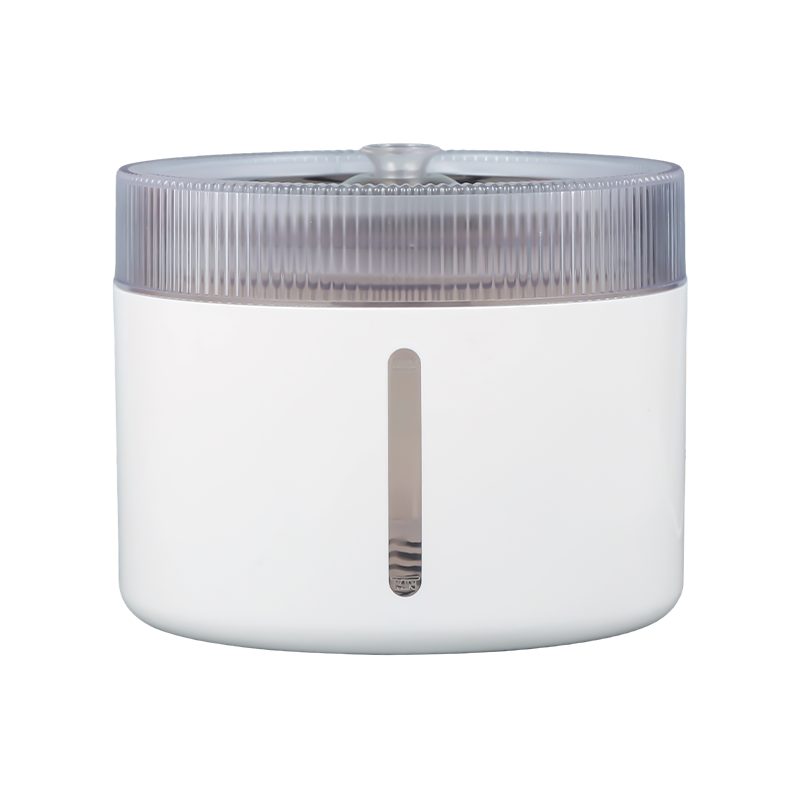
Automatic pet water fountains provide a continuous supply of fresh, filtered water for pets, ensuring proper hydration and reducing the risk of urinary or kidney problems in cats and dogs. By keeping water circulating and filtered, these fountains prevent stagnation and bacterial growth, which can occur in standard bowls. Many pet owners report that their animals are more likely to drink enough water when it is presented in a flowing, fresh state.
Types of Pet Water Fountains
Pet water fountains come in multiple types to suit different pets, household settings, and maintenance preferences. The main types include:
Plastic Fountains
Plastic fountains are lightweight and generally affordable. They often feature replaceable filters and can be easily moved for cleaning. However, plastic may be prone to scratches, which can harbor bacteria if not cleaned regularly.
Stainless Steel Fountains
Stainless steel fountains are durable, resistant to scratches, and do not retain odors. They are ideal for pets prone to chewing or for households that prefer a more hygienic material that is easy to clean.
Ceramic Fountains
Ceramic fountains provide a stylish option for indoor spaces and are naturally heavy, reducing the risk of tipping. They are easy to clean, although they may be more fragile than plastic or stainless steel.
Automatic Features and Water Circulation
Automatic pet water fountains typically include a pump that circulates water continuously. This feature provides several advantages:
- Prevents water from becoming stagnant, reducing bacterial growth.
- Encourages pets to drink more due to the sound and movement of flowing water.
- Maintains oxygen levels in the water, keeping it fresher for longer periods.
Some advanced models allow adjustable flow settings, enabling customization for small cats or large dogs. Flow rate is measured in liters per hour (L/h), and the correct setting ensures a gentle but continuous water stream.
Filtration Systems
Most automatic pet water fountains incorporate filtration systems to maintain water quality. Common filter types include:
- Carbon Filters: Reduce chlorine, odors, and some impurities.
- Foam or Mechanical Filters: Capture hair, debris, and particles.
- Combination Filters: Incorporate multiple layers for enhanced purification.
For households with multiple pets, regular filter replacement is crucial. Depending on water quality and usage, filters may need replacement every 2–4 weeks to maintain optimal performance.
Selecting the Right Fountain for Your Pet
When choosing a pet water fountain, consider these practical factors:
- Pet Size: Ensure the bowl depth and flow rate are suitable for cats or dogs of varying sizes.
- Capacity: For multiple pets, select a fountain with at least 2–3 liters of water to reduce refill frequency.
- Material: Choose materials based on durability, hygiene, and ease of cleaning (plastic, stainless steel, or ceramic).
- Maintenance Ease: Consider how easy it is to disassemble, clean, and replace filters.
- Noise Level: Some pumps are louder than others; quiet pumps are preferable for indoor or bedroom areas.
Comparison of Popular Automatic Pet Water Fountains
| Model | Material | Capacity | Flow Rate (L/h) | Filter Type |
|---|---|---|---|---|
| Fountain A | Plastic | 2 L | 120 L/h | Carbon + Foam |
| Fountain B | Stainless Steel | 3 L | 150 L/h | Carbon |
| Fountain C | Ceramic | 2.5 L | 130 L/h | Foam + Carbon |
Maintenance Tips for Long-Term Use
Regular maintenance is essential to keep a pet water fountain hygienic and functional:
- Clean the fountain at least once a week to remove slime or mineral buildup.
- Replace carbon filters every 2–4 weeks, depending on water hardness and number of pets.
- Check and clean the pump to prevent clogging and ensure smooth water circulation.
- Avoid using harsh chemicals; mild soap and warm water are sufficient.
Following these practices ensures pets always have access to clean, fresh water and prolongs the fountain's lifespan.


Contact Information
No. 2, Macaotou Road, Mazhu Town, Yuyao City, Zhejiang Province, China
+86-15669283739
Copyright © Ningbo Meace Pet Products Co., Ltd. Rights Reserved
