

 English
 Español
 Português
-
+86-15669283739
-

-
Home / News / Industry News / Automatic Pet Food Feeder Buying Guide | Tips from a Pet Product Manufacturer
Automatic Pet Food Feeder Buying Guide | Tips from a Pet Product Manufacturer
2026-08-13
Content
- 1 Why Pet Owners Are Switching to Automatic Pet Food Feeders
- 2 How an Automatic Pet Food Feeder Works
- 3 8 Key Features to Evaluate Before Buying
- 3.1 Feeding Accuracy and Portion Control
- 3.2 Food Type Compatibility and Anti-Jam Design
- 3.3 Power Supply and Backup Options
- 3.4 Hopper Capacity and Dispensing Schedule
- 3.5 Cleaning and Maintenance Simplicity
- 3.6 Anti-Scratch and Pet-Proofing Features
- 3.7 Smart Features: App Controls, Cameras, and Voice Calls
- 3.8 Material Safety and Build Quality
- 4 Choosing an Automatic Pet Food Feeder for Your Cat or Dog
- 5 Maintenance Tips: Keep Your Feeder Running Smoothly
- 6 Automatic vs. Traditional Feeding: Final Thoughts
If you have ever come home late to a hungry cat, or delayed a weekend trip because your dog eats on a set schedule, an automatic pet food feeder deserves a closer look. These devices store dry food and release measured portions at programmed times, so your pet is fed even when you are not there. This guide explains how they work, which features actually matter, and how to match a feeder to your pet. Because we manufacture pet products at mas-pet.com, we also cover the build-quality details that most consumer reviews skip.
The short version: choose a feeder with accurate portions, food-safe materials, an anti-jam design that matches your kibble, and parts that are easy to clean. Smart features are useful, but a feeder that delivers the same portion every day without jamming is worth more than one loaded with extras.
Why Pet Owners Are Switching to Automatic Pet Food Feeders
The strongest reason is control over when and how much your pet eats. Veterinarians often recommend splitting daily food into two or more small meals instead of leaving a bowl full all day. That pattern supports weight management, digestion, and stable energy levels, particularly for cats and small dogs. An automatic feeder turns this recommendation into a routine that keeps running while you are in a meeting or stuck in traffic. For pets that need to lose weight or manage a chronic condition, that structure becomes a genuine health tool rather than a convenience gadget.
The second reason is practicality. Full-time jobs, travel, and unexpected delays all create gaps in the feeding schedule. An automatic feeder fills those gaps without relying on a friend, a family member, or a pet sitter to show up on time.
An automatic feeder is not the same as a gravity feeder. A gravity feeder refills the bowl whenever it empties, so food is always available and portion control is effectively absent. An automatic feeder releases a measured portion at a set time. Before you decide, learn how automatic feeders compare to gravity feeders to see which approach fits your household.
How an Automatic Pet Food Feeder Works
Every automatic feeder shares the same core components: a hopper that stores food, a dispensing mechanism, a control board with a timer, and a bowl. At the programmed time, the control board activates the mechanism and drops a measured amount of kibble into the bowl. This sounds simple, but the details of each part determine how dependable the feeder becomes.
The dispensing mechanism is what separates reliable feeders from frustrating ones. Three designs are common: auger, rotating disc, and drum.
| Mechanism | How it works | Best suited for | Common weakness |
|---|---|---|---|
| Auger or screw | A rotating screw pushes kibble through a channel and out the opening. | Round kibble in small to medium sizes | Large or irregular pieces can wedge in the channel. |
| Rotating disc | A segmented disc turns and drops pre-measured servings into the bowl. | Consistent pellet sizes | Portions may drift after switching food brands. |
| Drum or roller | A drum rolls forward and releases food as the opening passes the outlet. | Most dry food shapes | Portion adjustment may be less precise. |
The mechanism also explains why some feeders jam and others do not. Tight clearances, rough edges, and a weak motor all increase the chance of a stuck kibble. In our injection molding work, the decisive factors are mold precision, surface finish, and motor torque. These are engineering details, not marketing features, and they only show up after weeks of daily use.
8 Key Features to Evaluate Before Buying
Once you understand the mechanism, compare each candidate feeder against these eight features. They cover both day-to-day usability and long-term reliability.
Feeding Accuracy and Portion Control
If your pet has a condition that demands precise feeding, such as diabetes or obesity, check the smallest portion the feeder can dispense. Some models cannot go below a quarter cup, which is too much for a cat. Consistency matters just as much; a feeder that is accurate today and sloppy next week is unreliable. For pets that need dry food and water kept together, a dual-bowl smart feeder for food and water in one unit reduces the number of devices in your home.
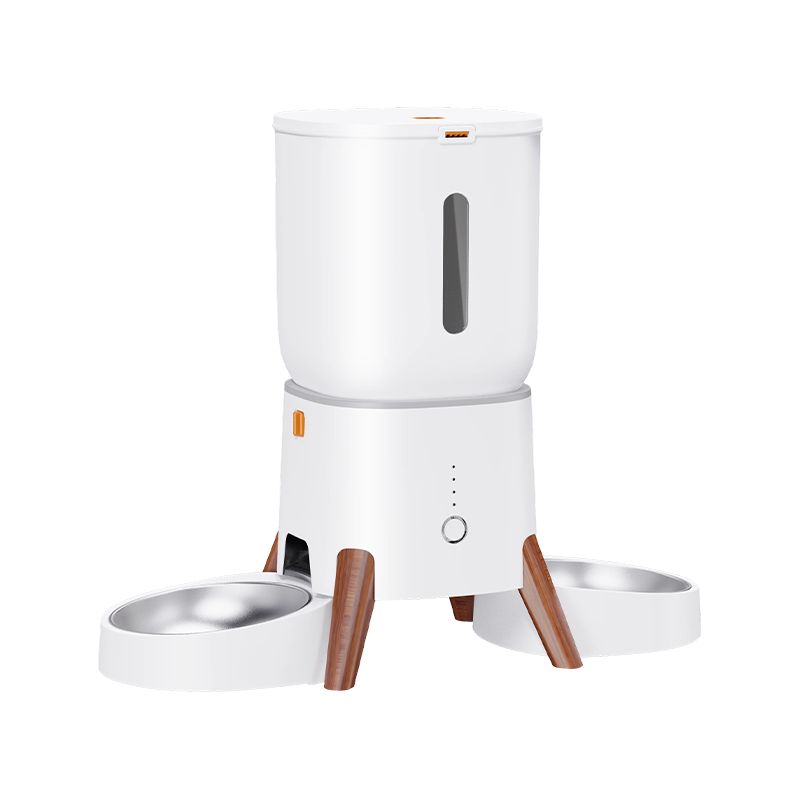 Custom One-Piece Dual-Bowl Smart Pet Feeder Suppliers, OEM/ODM Factory - Ningbo Ningbo Meace Pet Products Co., Ltd. is China One-Piece Dual-Bowl Smart Pet Feeder Suppliers and OEM Factory, details: This one-piece dual...View Product →
Food Type Compatibility and Anti-Jam Design
Kibble comes in many sizes, and not every feeder handles every shape. Round pellets are easy; large-breed kibble, freeze-dried chunks, and irregular treats strain the mechanism. Confirm the feeder's rated food diameter and shape before buying. Look for an anti-jam safeguard such as a jam sensor, a wider dispensing channel, or a detachable outlet that you can clear in seconds. The easier the outlet is to remove, the faster you can solve a blockage.
Power Supply and Backup Options
Plug-in feeders are consistent but stop during a blackout unless they have battery backup. Battery-only feeders are portable but need regular monitoring. Models that support both give you the best safety net. When you buy from an international manufacturer, confirm the voltage matches your country. Our export experience spans North America, Europe, South America, the Middle East, Asia, and Australia, and power compatibility is one of the first questions we clarify with buyers.
Hopper Capacity and Dispensing Schedule
Capacity determines how long the feeder can run unattended. A 2-liter hopper may be enough for one cat for a weekend, while multi-pet homes need 4 liters or more. Also review the maximum number of meals per day. Puppies and kittens often need three or four small meals, and not every feeder can be programmed that way. Match the capacity and schedule to your pet's age and household size.
Cleaning and Maintenance Simplicity
Kibble dust and oils gradually coat the hopper and mechanism, so choose food-contact parts that detach without tools. The hopper, lid, and dispensing outlet are the parts you will clean most often. In our molding workshop, we see why precision matters: parts formed in tight-tolerance molds snap apart and click back cleanly, while poorly made parts bind and trap residue in gaps.
Anti-Scratch and Pet-Proofing Features
Some pets learn to open lids or spin the mechanism to get food early. A locking lid, a reinforced hinge, and an outlet that stays closed between meals prevent self-service snacking. In multi-pet homes, a tip-resistant base and a secure lid are not optional; they protect every animal's ration.
Smart Features: App Controls, Cameras, and Voice Calls
Connected features are convenient but not the foundation of a good feeder. An app helps you confirm that a meal was dispensed or change the schedule from the office. A camera shows you that the food actually reached the bowl, and voice calls let you call your pet to eat. Decide which of these you genuinely need before paying extra. For households that want dependable dispensing without Wi-Fi setup, a remote-controlled automatic pet feeder for quick dispensing is a simpler alternative.
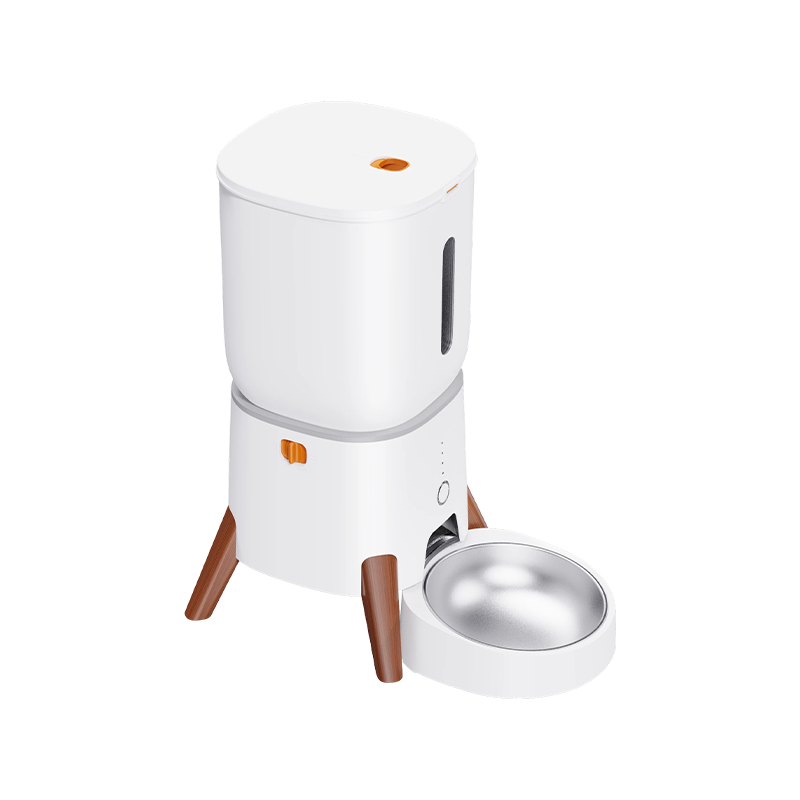 Custom Remote-Controlled Automatic Pet Feeder Suppliers, OEM/ODM Factory - NingbNingbo Meace Pet Products Co., Ltd. is China Remote-Controlled Automatic Pet Feeder Suppliers and OEM Factory, details: This remote-contr...View Product →
Material Safety and Build Quality
Every part that touches food should be food-grade and BPA-free. Check the hopper material and also the housing: a stiff ABS shell survives bumps and falls, while a thin, brittle plastic cracks early. In our factory, which has produced pet products since 2012, we know that mold quality decides how well the lid seals, how smoothly the outlet moves, and how easy the unit is to clean. Learn more about our manufacturing background to see why we treat these as baseline standards, not premium extras.
Choosing an Automatic Pet Food Feeder for Your Cat or Dog
The best feeder depends on the pet that will use it.
- Cats: prioritize small, precise portions and a low outlet that is easy for a cat to reach. A secure lid matters more than you might expect, because many cats are skilled at flipping open loose covers. Look for a minimum portion around one-eighth of a cup if your cat is on a weight management plan.
- Small dogs: stability is the priority. An enthusiastic eater can tip a lightweight feeder and scatter food everywhere, so choose a heavy base and a deep bowl. Adjustable portion settings help as your dog's weight changes over time.
- Multi-pet households: a large hopper and flexible scheduling reduce conflict at mealtime. If pets eat different diets, consider a feeder that supports multiple feeding plans or works with chip-recognition bowls, and place it where one pet cannot guard it.
For a closer look at species-specific differences, read our earlier guide to picking the right feeder for cats and dogs. Whatever you choose, place the feeder in a calm corner away from heat and humidity, and check the bowl height so your pet eats comfortably.
Maintenance Tips: Keep Your Feeder Running Smoothly
- Clean the hopper and dispensing outlet weekly if you use freeze-dried or coated foods, and deep-clean the whole unit every month. Dry every part completely before reassembly; trapped moisture clumps kibble and causes jams.
- When changing food, transition over 7 to 10 days by mixing the new kibble with the old. Abrupt changes upset digestion, and a sudden shift in kibble size can also block the dispensing channel.
- If dispensing stops, check three causes first: a stuck fragment in the outlet, low or dead batteries, and clumped food from humidity. Reseal the lid tightly after every refill and keep the feeder away from damp areas.
- Keep the instruction manual and note the seller's support channels. A good feeder comes with clear documentation and a manufacturer that answers questions.
Automatic vs. Traditional Feeding: Final Thoughts
Deciding whether an automatic feeder is right for you comes down to three questions. Does your pet need a controlled feeding schedule? Does your daily routine create gaps in that schedule? Are you willing to clean the feeder regularly? If the answers are yes, the next step is choosing a model with a strong mechanical foundation.
Put feeding accuracy, food compatibility, material safety, and easy cleaning above everything else. Smart features are a bonus, not a substitute for reliability. A simple feeder that dispenses the same portion every day for years beats a connected device that jams, loses its schedule, or leaves you troubleshooting mid-trip.
From the manufacturer's side, reliability comes from controlled production: precise molds, consistent plastic grades, and out-of-box testing before units ship. When you compare models, judge the mechanics first and the feature list second, and choose from a maker you trust. To see feeders built around these principles, browse our automatic pet feeder collection and compare the options side by side.
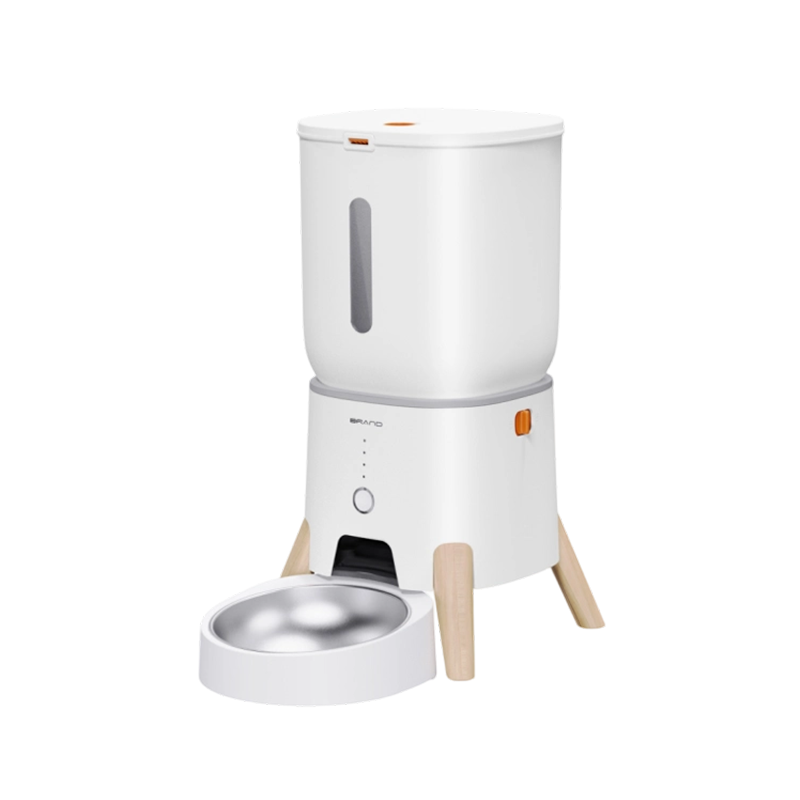
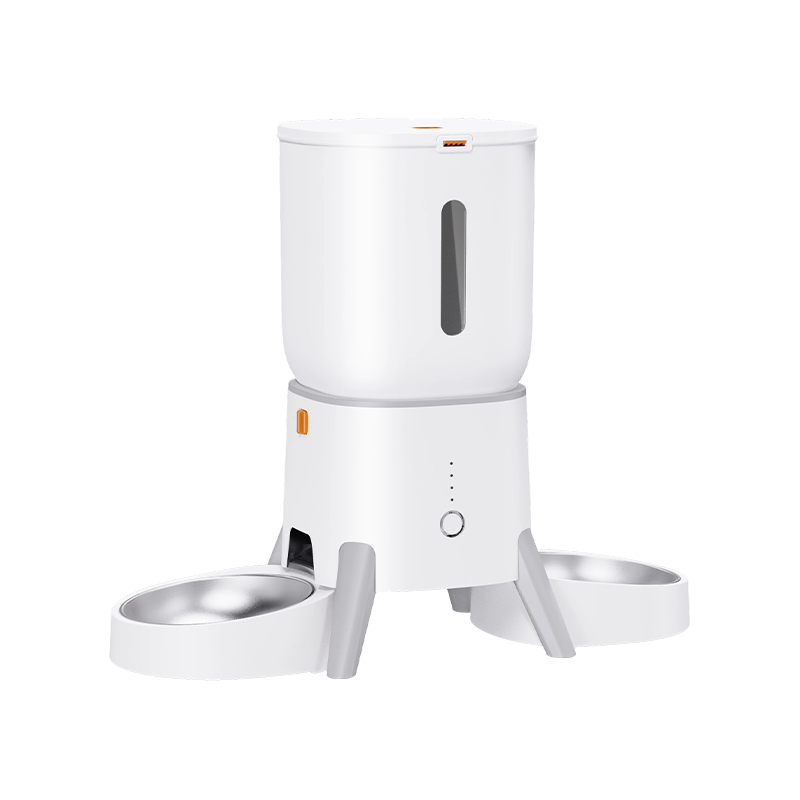 Automatic Pet Food Feeder Manufacturers, SuppliersMeace Pet Products Co., Ltd. is China Automatic Pet Food Feeder Manufacturers and Custom Smart Pet Feeder Suppliers, offer kinds of Pet F...View Product →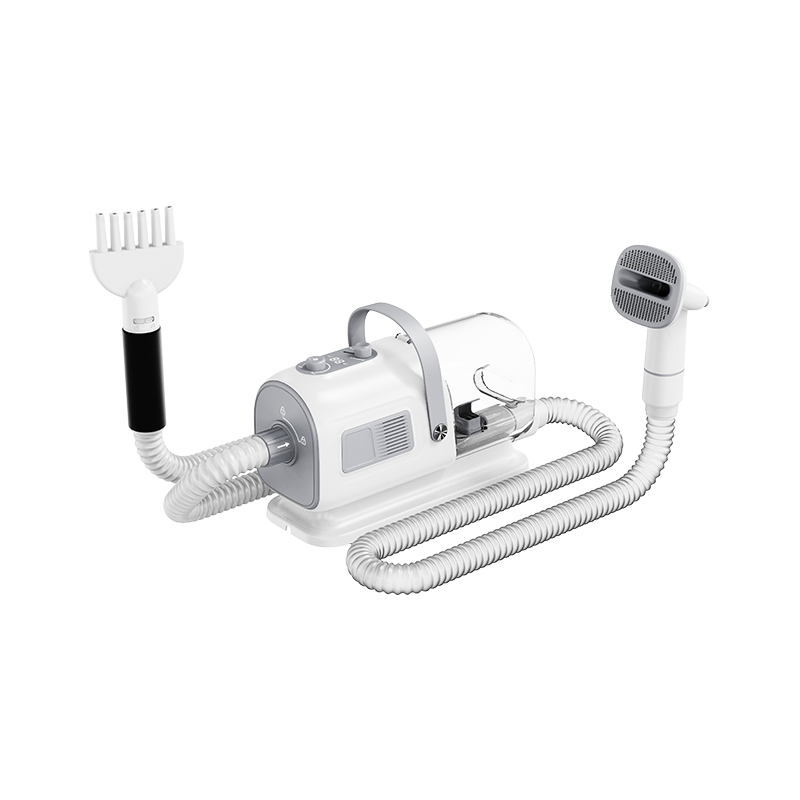

Contact Information
No. 2, Macaotou Road, Mazhu Town, Yuyao City, Zhejiang Province, China
+86-15669283739
Copyright © Ningbo Meace Pet Products Co., Ltd. Rights Reserved
