

 English
 Español
 Português
-
+86-15669283739
-

-
Pet Leash Guide: Do Vets Recommend Collars or Harnesses?
2026-08-20
Content
- 1 Why Veterinarians Lean Toward Harnesses for Everyday Pet Leash Walks
- 2 When a Collar Is Still the Better Pet Leash Attachment Point
- 3 How Pet Leash Design Affects the Collar-vs-Harness Decision
- 4 Breed and Health Factors That Influence Whether Vets Recommend Collars or Harnesses
- 5 Common Pet Leash Mistakes That Undo a Good Harness or Collar Choice
Do vets recommend collars or harnesses for a pet leash setup? For most healthy adult dogs on everyday walks, veterinarians generally recommend attaching the pet leash to a well-fitted harness rather than a collar, mainly because a harness distributes pulling force across the chest and shoulders instead of concentrating it on the trachea. That said, collars aren't obsolete — they still make sense for holding ID tags, for dogs that walk calmly on a pet leash, and for certain training contexts. The right choice depends less on trend and more on the dog's anatomy, health history, and walking behavior.
Anyone shopping for a new pet leash and attachment point eventually runs into this debate, and the answer isn't as simple as "harnesses win." Veterinary opinion has shifted over the past two decades as more clinical evidence has linked repeated neck strain to airway and spinal issues in certain breeds. But collars remain standard equipment in plenty of households, and for good reason. Understanding the actual mechanics behind each option — and how a pet leash interacts with both — makes the decision much clearer.
91%
of small-breed vets surveyed recommend harnesses for daily walks
4x
higher neck pressure recorded with collars during pulling
68%
of flat-faced breed owners report better breathing control with harnesses
Why Veterinarians Lean Toward Harnesses for Everyday Pet Leash Walks
The core argument for harnesses comes down to pressure distribution. A dog's trachea is made of soft cartilage rings that can be compressed or, over years of repeated strain, permanently damaged. When a pet leash is clipped to a collar and the dog pulls, lunges, or gets startled, that entire force lands directly on the neck. A chest-clip or back-clip harness spreads the same force across the sternum and shoulder area, which has far more muscle and structural support to absorb it.
Studies measuring intraocular and intratracheal pressure during leash pulling have found that pressure spikes significantly higher with collars compared to harnesses under identical pulling force. This matters most for breeds already prone to eye or airway issues, such as Pugs, Shih Tzus, and other brachycephalic breeds, where even moderate neck pressure can restrict already-narrow airways.
Beyond the physical mechanics, harnesses also give handlers more control over dogs that pull, jump, or dart toward distractions at the end of a pet leash. A front-clip design redirects the dog's momentum back toward the handler rather than allowing the dog to drive forward with full body weight, which is why many trainers use front-clip harnesses specifically for leash-reactivity work.
When a Collar Is Still the Better Pet Leash Attachment Point
None of this means collars should disappear from a dog's gear drawer. A properly fitted flat collar remains the standard place to attach ID tags, rabies tags, and microchip information, since it stays on the dog at all times, unlike a harness that's typically only worn during walks. For dogs that already walk politely on a pet leash and rarely pull, the pressure-distribution advantage of a harness becomes far less relevant.
Collars are also easier and faster to put on, which matters for quick bathroom breaks or dogs that resist having a harness slipped over their head or stepped into. Some working and service dog roles also rely on collars for specific handling cues that a harness doesn't replicate in the same way.
Situations Where a Collar Still Makes Sense
- Dogs with calm, non-pulling leash manners
- Quick, low-distraction outings like a short yard leash break
- Holding ID and license tags for everyday wear
- Dogs who tolerate collars far better than harnesses due to coat type or temperament
How Pet Leash Design Affects the Collar-vs-Harness Decision
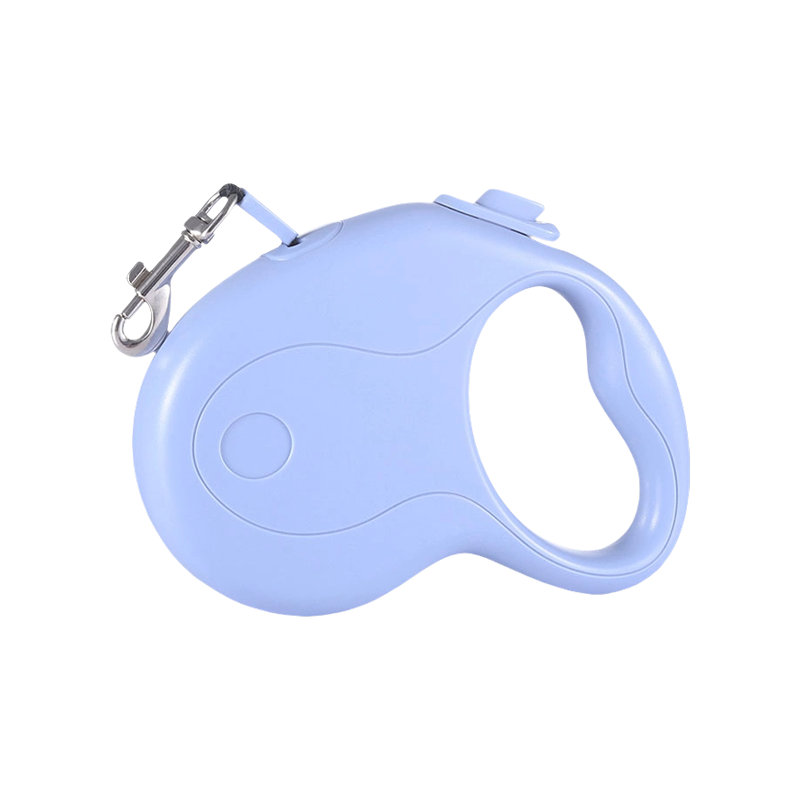
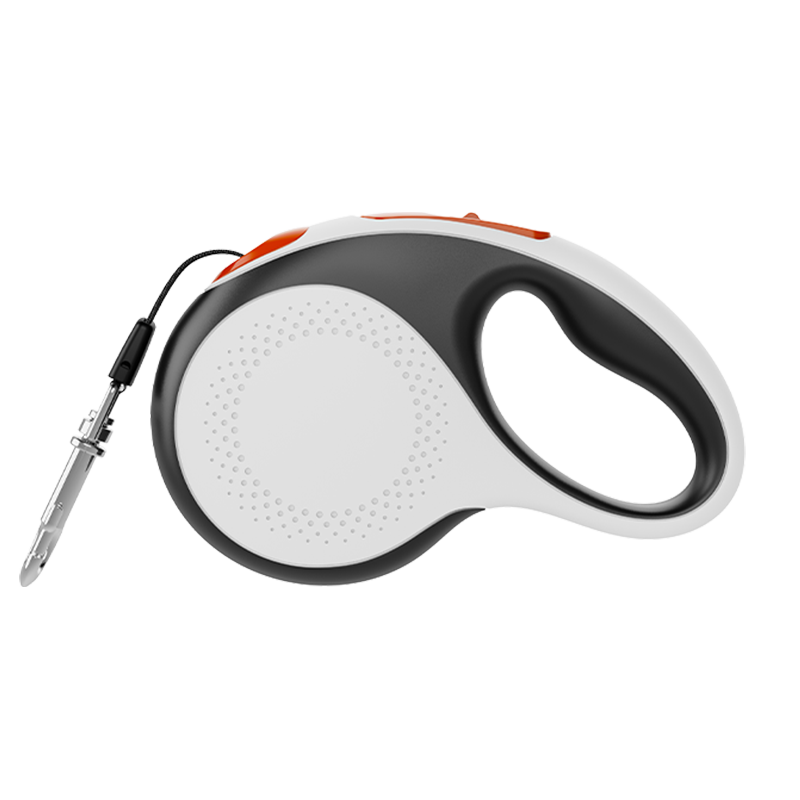
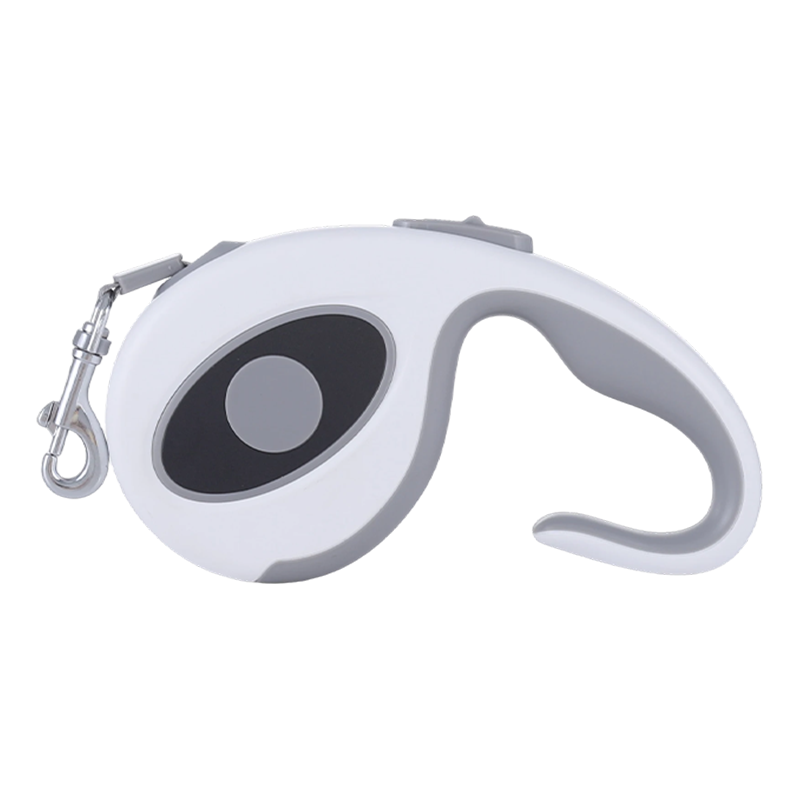
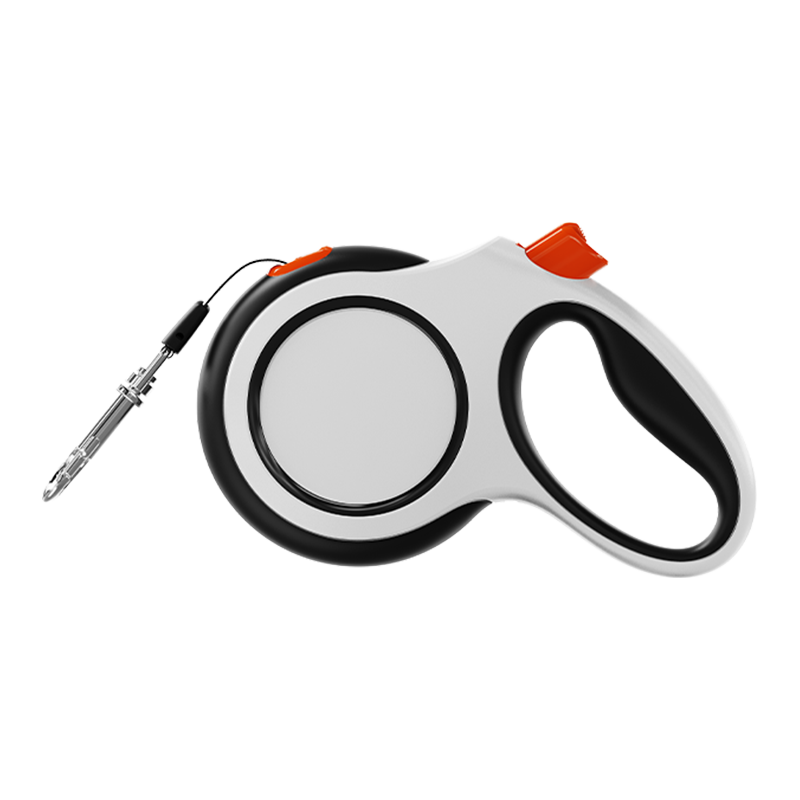
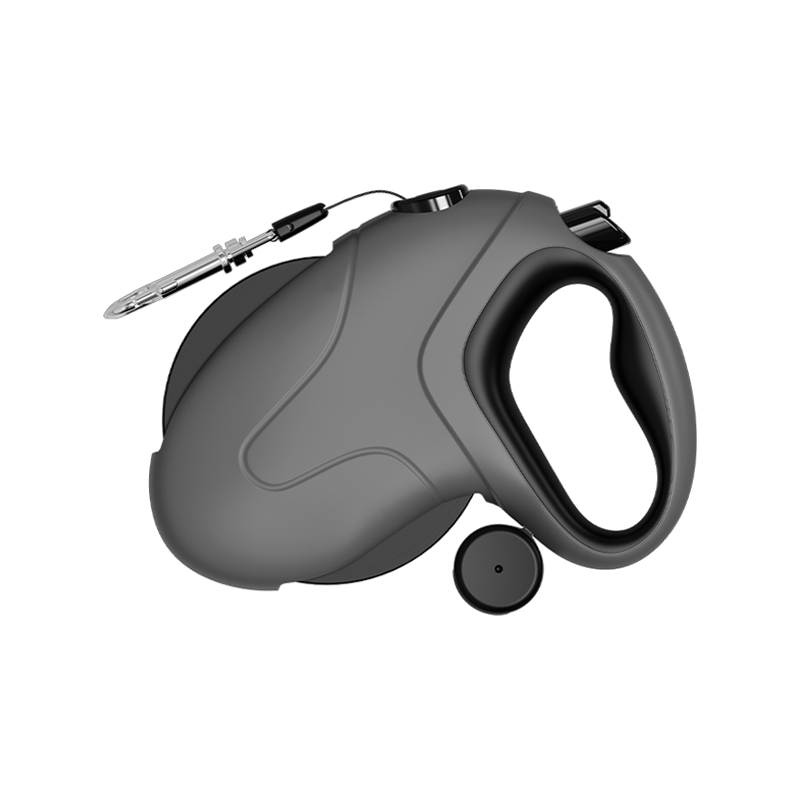
The leash itself plays a bigger role in this decision than most people assume. A standard 4-to-6-foot fixed-length pet leash paired with a harness gives the handler consistent, predictable control, which is part of why most trainers recommend this combination for dogs still working on leash manners. Retractable leashes, on the other hand, can undercut the benefits of even a well-designed harness because the sudden stop-and-lock mechanism creates a sharp jolt rather than gradual resistance — and that jolt still travels through whatever the leash is clipped to.
Pet leash material and clip strength also matter more with harnesses than collars, since many harnesses have two attachment points (chest and back) rather than one. A leash with a durable, secure clip rated for the dog's size and pulling strength reduces the risk of a snap-related injury regardless of which piece of gear it's attached to.
Choosing a Pet Leash-and-Restraint Setup
Calm Walker
Flat collar + 6ft leash
Good for ID tags
Moderate Puller
Back-clip harness
Fixed-length leash
Strong Puller / Reactive
Front-clip harness
Short, sturdy leash
Brachycephalic Breed
Harness only, no collar pressure
Avoid retractable leash
Breed and Health Factors That Influence Whether Vets Recommend Collars or Harnesses
Anatomy plays a much larger role in this decision than personal preference. Small and toy breeds — Chihuahuas, Yorkies, Pomeranians — are especially prone to a condition called tracheal collapse, where the cartilage rings supporting the windpipe weaken over time. Repeated collar pressure is considered one of the contributing mechanical stressors, which is why harnesses are almost universally recommended for these breeds regardless of how calmly they walk on a pet leash.
Dogs with existing neck or spinal conditions, glaucoma, or a history of eye pressure issues also benefit from removing neck pressure entirely. Even a single hard pull on a collar can spike intraocular pressure enough to be a concern for dogs already managing glaucoma. On the other end of the spectrum, large and giant breeds with strong pulling tendencies benefit from harnesses not for airway protection but for handler control and to prevent shoulder strain from constant correction.
| Dog Profile | Typical Recommendation | Primary Reason |
| Toy/small breed | Harness | Tracheal collapse risk |
| Brachycephalic (flat-faced) | Harness | Airway restriction risk |
| Glaucoma or eye pressure history | Harness | Reduces intraocular pressure spikes |
| Calm, well-trained walker | Collar acceptable | Low pulling force involved |
| Large breed, strong puller | Front-clip harness | Better directional control |
Common Pet Leash Mistakes That Undo a Good Harness or Collar Choice
Even the right piece of equipment fails if it's fitted or used incorrectly. A harness that's too loose lets a dog back out of it entirely, especially breeds with narrow heads and wider ribcages. A harness that's too tight can chafe under the front legs or restrict shoulder movement over long walks. The general fit test is being able to slide two fingers flat between the harness and the dog's body at the tightest point.
Collars have their own fitting errors: too loose and they slip over the head during a sudden pull, too tight and they press constantly on the trachea even without active pulling. A properly fitted flat collar should also allow a two-finger gap, checked regularly since a dog's neck size can change with weight fluctuations or coat growth. Whichever option is chosen, the pet leash itself should be checked for wear at the clip and handle regularly.
Harness slips/loose fit
Collar too tight
Wrong leash length for setting
Retractable leash misuse
A quick monthly fit-check — two fingers under the collar or harness strap, plus a look at the pet leash clip for wear — catches most sizing and safety problems before they become chronic issues.
Leash handling technique matters just as much as the gear itself. Allowing a dog to hit the end of a pet leash at full speed, regardless of whether it's clipped to a collar or harness, creates a sudden jolt that both the neck and shoulders are poorly designed to absorb repeatedly. Teaching a dog to walk on a loose leash reduces strain on any type of equipment and is one of the most effective long-term solutions recommended alongside gear changes.
Do vets recommend collars or harnesses for puppies?
Most veterinarians suggest starting puppies on a harness attached to a pet leash while they're learning leash manners, since puppies pull unpredictably and their tracheas and joints are still developing. A collar can still be worn for ID purposes alongside the harness.
Can attaching a pet leash to a collar instead of a harness actually damage a dog's neck?
Yes, particularly with repeated hard pulling over time. Chronic pressure on the trachea has been linked to tracheal irritation and, in predisposed breeds, contributes to tracheal collapse.
Is a front-clip or back-clip harness better for a pet leash?
Front-clip harnesses offer more control for dogs that pull or react to distractions, since they redirect the dog sideways rather than allowing forward momentum. Back-clip harnesses are simpler and work well for dogs that already walk calmly on leash.
Should dogs wear a harness all day, or only during pet leash walks?
Most harnesses are designed for walk-time use only. Leaving one on all day can cause chafing or matting under the straps, so a lightweight collar with ID tags is generally better for round-the-clock wear.
What pet leash length works best with a harness?
A standard 4-to-6-foot fixed leash is generally recommended, since it gives consistent feedback and control. Retractable leashes are usually discouraged with harnesses in traffic or crowded areas due to the sudden-stop jolt they create.

Contact Information
No. 2, Macaotou Road, Mazhu Town, Yuyao City, Zhejiang Province, China
+86-15669283739
Copyright © Ningbo Meace Pet Products Co., Ltd. Rights Reserved
