

 English
 Español
 Português
-
+86-15669283739
-

-
Home / News / Industry News / Driving Metabolic Health Through Automatic Pet Water Fountain Engineering
Driving Metabolic Health Through Automatic Pet Water Fountain Engineering
2026-06-18
Content
- 1 The Biological Necessity of Continuous Fluid Dynamics
- 2 Multi-Stage Filtration Architecture and Chemical Mechanics
- 3 Material Science and Structural Biocompatibility
- 4 Comparative Analysis of Structural Specifications
- 5 Step-by-Step Maintenance and Pump Optimization Protocol
- 6 Fluid Flow Geometry and Behavioral Compliance
The Biological Necessity of Continuous Fluid Dynamics
Integrating an automatic pet water fountain into a domestic animal's environment resolves the chronic problem of sub-clinical dehydration by leveraging instinctual visual and auditory cues. Moving water naturally signals freshness and safety to animals, resulting in an average 32% increase in total daily fluid consumption compared to static water bowls. This elevated hydration level directly expands urine volume, lowering the concentration of stone-forming minerals and dramatically reducing the incidence of Feline Lower Urinary Tract Diseases (FLUTD) and canine nephrolithiasis.
Static water in traditional bowls rapidly accumulates a microbial layer known as biofilm within hours. When a pet's saliva mixes with stagnant water, it introduces bacteria that thrive in the standing pool, creating an unappealing taste and odor that deters drinking. A mechanized fountain solves this problem by using a low-voltage pump to pull water through specialized filtration media, keeping the water highly oxygenated and clean.
Multi-Stage Filtration Architecture and Chemical Mechanics
The core health benefit of an automatic pet water fountain relies heavily on its filtration system. Simple mechanical straining is not enough; a professional-grade system uses a multi-layer approach to target physical, chemical, and biological impurities simultaneously.
Mechanical Pre-Filtration Barriers
The first line of defense is a high-density PP cotton mesh or porous polyurethane foam block wrapped directly around the intake of the submersible pump. This layer strains out large particulate debris, including shed fur, skin dander, and unconsumed kibble fragments. By trapping these large elements before they reach the inner reservoir, the pre-filter prevents premature pump motor failure and keeps organic debris from breaking down in the water supply.
Adsorption via Activated Carbon Matrices
Once past the mechanical barrier, water passes through a bed of granular activated carbon derived from coconut shells. This material features an expansive internal pore structure optimized for chemical adsorption. Activated carbon removes volatile organic compounds, trace chlorine compounds from municipal water, and unpleasant odors, ensuring the water remains highly palatable to sensitive canine and feline olfactory systems.
Ion-Exchange Resins for Mineral Softening
The final filtration phase utilizes specialized ion-exchange resin beads. These synthetic polymers exchange magnesium and calcium ions present in hard tap water for sodium or hydrogen ions. Softening the water in this manner prevents magnesium and calcium build-ups in the pet's kidneys, lowering the structural prerequisites for calcium oxalate crystal formation by up to 40%.
Material Science and Structural Biocompatibility
The choice of material used to build a water fountain impacts how easily bacteria can colonize its surfaces. Pet owners and veterinary facilities should match the material profile to the specific health needs and behavioral habits of the animal.
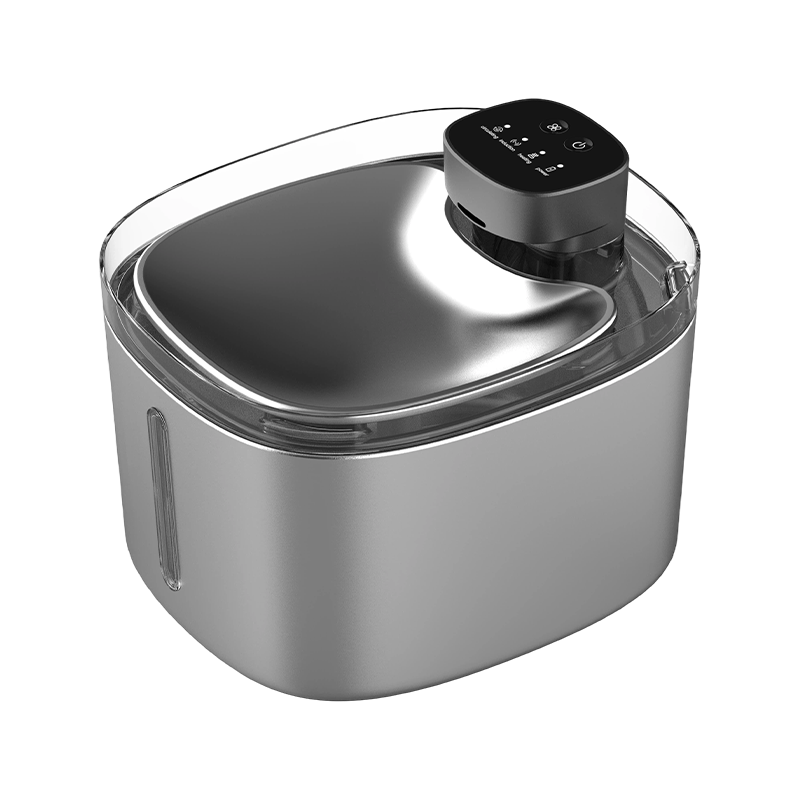
- Austenitic 304 Stainless Steel: Highly recommended for medical and multi-pet environments due to its non-porous structure and exceptional resistance to corrosion. It can withstand intensive thermal sanitization without developing micro-scratches where bacteria could hide.
- High-Vitreous Glazed Ceramics: Heavy ceramic constructions prevent pets from tipping or shifting the unit. The inert glaze prevents chemical leaching and cleans easily, making it an excellent choice for animals prone to feline acne caused by plastic sensitivities.
- BPA-Free Food-Grade Polymers: Lightweight and cost-effective, these plastics must be UV-stabilized to prevent degradation over time. They require gentle cleaning tools to avoid creating fine abrasions that can harbor bacterial colonies.
Comparative Analysis of Structural Specifications
When selecting or designing an automated hydration system, comparing technical performance metrics clarifies how various designs balance energy efficiency, operation noise, and long-term sanitation needs.
| Material Substrate Configuration | Bacterial Biofilm Resistance Rating | Acoustic Dampening Output (dB) | Structural Impact Resilience | Optimal Sanitization Cycle |
|---|---|---|---|---|
| Premium 304 Stainless Steel | Excellent (99.2% Non-Adherent) | 32 - 38 dB | Exceptional (No Fracture Risk) | 14 Days (Dishwasher Safe) |
| Vitreous Kiln-Fired Ceramic | High (95.6% Non-Adherent) | 25 - 30 dB (Superior) | Moderate (Fragile to Drop Impacts) | 10 Days (Dishwasher Safe) |
| ABS Food-Grade Plastic | Moderate (Prone to Micro-Scratches) | 35 - 42 dB | High (Elastic Deformation) | 7 Days (Hand Wash Recommended) |
As shown by the empirical data, choosing the right material involves balancing acoustic performance against ease of sanitation. While ceramic units offer the quietest fluid flow due to their mass absorbing pump vibrations, stainless steel provides the highest resistance to biofilm buildup under heavy, long-term use.
Step-by-Step Maintenance and Pump Optimization Protocol
Even advanced filtration systems require regular physical maintenance to clear out mineral scale and organic debris. Following a structured cleaning sequence keeps the low-voltage pump running quietly and ensures water remains safe and clean.
- Electrical Isolation and Disassembly: Disconnect the USB power brick or DC adapter from the wall outlet. Empty the main reservoir and carefully disassemble the upper drinking trays, filter housing sheets, and water pump assembly.
- Extracting the Magnetic Impeller: Use small needle-nose tweezers or a dedicated extraction hook to pull the plastic fan blade and magnetic impeller out of the pump casing. This is critical, as hair and slime frequently wrap around the spindle, slowing down the motor.
- Dissolving Hard-Water Minerals: Submerge the internal pump components, housing, and impeller cavity in a 50/50 warm water and white vinegar solution for 20 minutes. This mild acid safely dissolves white calcium scale without corroding the internal seals.
- Scrubbing and Rinsing: Use a specialized narrow brush to clean out the internal impeller cavity, water channels, and intake grates. Thoroughly rinse all components with clean tap water to remove any leftover vinegar residue.
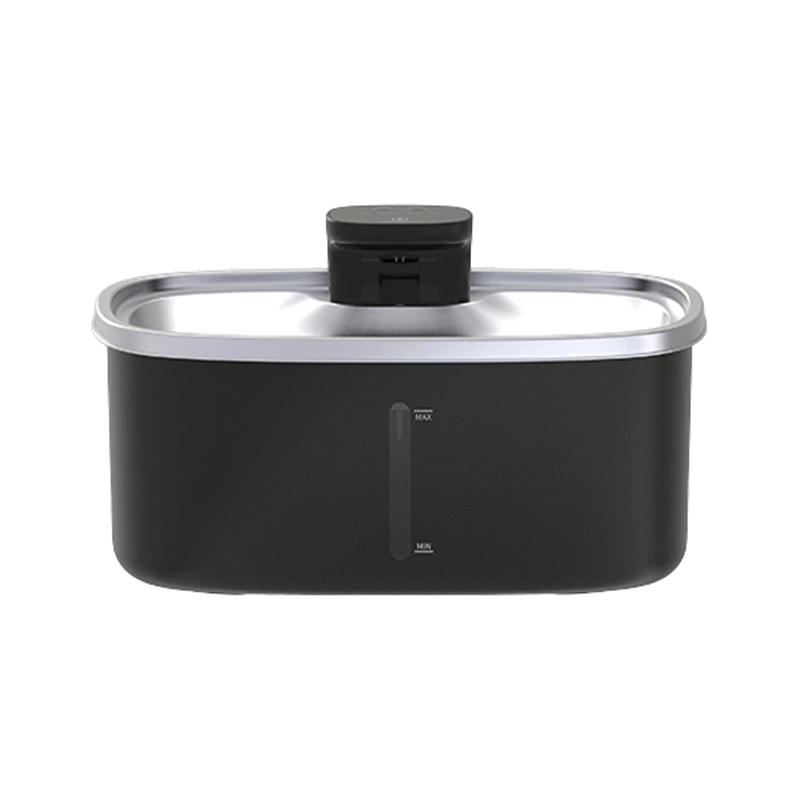
- Priming and Initial Startup: Reinsert the impeller into its magnetic chamber and snap the pump faceplate closed. Install a fresh, pre-rinsed multi-stage filter cartridge, fill the reservoir to the maximum fill line, and plug the unit back in to verify smooth, quiet operation.
Fluid Flow Geometry and Behavioral Compliance
How water moves over the fountain's surfaces directly influences whether a pet will use it regularly. Different animals prefer different flow styles based on their size, face structure, and evolutionary instincts.
Free-Falling Spout Streams
A free-falling stream mimics a dripping faucet, which is especially popular with cats. The clear vertical drop creates distinct audio frequencies and crisp light reflections that draw curious animals in. This design provides maximum aeration, constantly introducing oxygen into the water to keep it tasting crisp and cold.
Gentle Bubble Top and Sloped Ramps
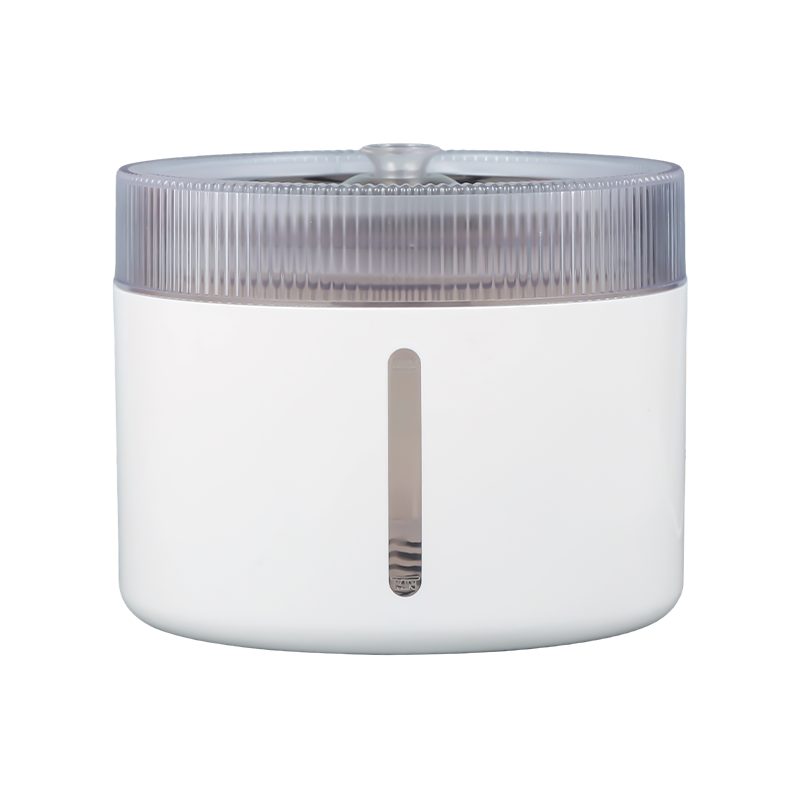
For timid animals or larger dogs prone to splashing, a sloped spring design or wide surface pool is ideal. The water bubbles up gently from a central point and glides down a smooth ramp without splashing. This minimizes acoustic noise—often dropping operation volume below 30 decibels—making it perfect for skittish pets that scare easily around mechanical noises.



Contact Information
No. 2, Macaotou Road, Mazhu Town, Yuyao City, Zhejiang Province, China
+86-15669283739
Copyright © Ningbo Meace Pet Products Co., Ltd. Rights Reserved
