

 English
 Español
 Português
-
+86-15669283739
-

-
Home / News / Industry News / Pet Grooming Tool Selection: Coat Types, Kit Essentials, and Buying Tips
Pet Grooming Tool Selection: Coat Types, Kit Essentials, and Buying Tips
2026-09-17
Content
- 1 Why the Right Pet Grooming Tool Affects More Than Appearance
- 2 What a Home Pet Grooming Tool Kit Should Cover
- 3 Matching a Pet Grooming Tool to Your Pet's Coat Type
- 4 Key Buying Considerations for a Pet Grooming Tool
- 5 When a Multi-Function Pet Grooming Tool Makes Sense
- 6 Building a Grooming Routine That Works
The first serious tangle on a double-coated dog is a reliable test of any pet grooming tool. A dull blade pulls the fur, a comb with wide spacing skips the undercoat, and a vacuum groomer with weak suction leaves hair floating back into the air. The conclusion is simple: choosing a pet grooming tool is about matching the tool to your pet's coat, your tolerance for mess, and the time you can realistically spend on grooming each week. Getting those three factors right makes grooming a short, calm routine; getting them wrong turns it into a battle that both you and the pet dread.
Why the Right Pet Grooming Tool Affects More Than Appearance
Grooming is not a cosmetic extra. Loose hair trapped in a dense undercoat can form mats that pull on the skin, trap moisture, and hide small irritations. A regular brushing session removes that loose hair, spreads natural skin oils through the coat, and gives you a chance to feel for lumps, ticks, or sore spots while your pet is relaxed. Over time, this also reduces the amount of hair your pet swallows during self-cleaning, which means fewer hairballs in cats and less vomiting in dogs.
The tool determines how much of that benefit you actually achieve. A pin brush that glides through a silky coat may do almost nothing for a thick double coat, while an undercoat rake that works well on a husky will feel aggressive on a greyhound's short, fine hair. That is why most professional groomers keep several tools rather than relying on one universal pet grooming tool, and why a coordinated kit is a practical baseline for home use.
What a Home Pet Grooming Tool Kit Should Cover
A functional at-home kit does not need every gadget in the pet supply aisle. It does need one tool for each of these four jobs: removing loose hair, working out tangles, finishing the coat, and controlling shed hair during the process. The table below lists what each tool category does and where it performs best.
| Tool category | Primary job | Best suited for |
|---|---|---|
| Slicker brush | Removes loose hair and small tangles | Medium to long coats, curly coats |
| Metal comb | Checks for remaining knots and debris | Finishing after brushing, all coat types |
| De-matting tool | Splits stubborn mats without cutting skin | Double coats, neglected grooming schedules |
| Vacuum or blower groomer | Collects shed hair while brushing or drying | Shedding breeds, indoor grooming, allergy-sensitive owners |
Once these categories are covered, extra tools such as bristle brushes, shedding blades, or grooming gloves become optional based on your pet's coat and your own preferences. If you only buy one additional item later, make it a comfortable de-matting tool; it is the item you will reach for when a grooming session has been skipped for too long.
Matching a Pet Grooming Tool to Your Pet's Coat Type
Coat type is the single biggest factor in tool selection. A golden retriever and a poodle both need regular grooming, but they need different tools, because one has a dense shedding undercoat and the other has continuously growing curly hair. Choosing a pet grooming tool without checking the coat type is the most common reason a new brush ends up unused.
| Coat type | Examples | Tool priority | Typical frequency |
|---|---|---|---|
| Short single coat | Beagle, boxer, greyhound | Rubber curry or bristle brush | Weekly |
| Double coat | Husky, golden retriever, corgi | Undercoat rake and slicker brush | 2-3 times weekly, daily in shedding season |
| Long silky coat | Yorkshire terrier, shih tzu | Pin brush and wide-tooth comb | Every 1-2 days |
| Curly or wiry coat | Poodle, bichon, schnauzer | Slicker brush and de-matting tool | Every 1-2 days |
If you bring home a new tool and the pet flinches or tries to leave, check the pin pressure and the angle of your brush strokes before assuming the pet is simply difficult. Many grooming problems are actually tool-mismatch problems in disguise. A pet that tolerated one brush well will often accept a different brush style immediately, which is a strong signal that the original tool was the problem.
Key Buying Considerations for a Pet Grooming Tool
Before ordering, focus on the factors that affect daily use rather than the marketing features on the package. Four points matter most: material quality, noise level, ease of cleaning, and the experience of holding the tool. They apply to manual brushes as well as to powered grooming devices.
| Consideration | What to look for | Why it matters |
|---|---|---|
| Blade and pin material | Stainless steel, rounded tips | Prevents scratching and rust, lasts through frequent washing |
| Noise output | Low decibel rating, quiet motor | Reduces stress for pets that are sensitive to sound |
| Filter and hair collection | Removable, washable filter; transparent chamber | Keeps suction stable and makes cleanup faster |
| Ergonomics | Lightweight body, non-slip grip, wrist-friendly angle | Affects grooming quality when sessions run longer than five minutes |
For vacuum-style items, check the factory-stated suction and the filtration level before comparing prices. A noisy motor is harder to use on a nervous pet, and a filter that clogs after a single use will turn a helpful pet grooming tool into a frustrating one. If you are ordering for a multi-pet household, also consider how easy it is to replace consumable parts; blade cartridges and filters should be available for at least one year after purchase.
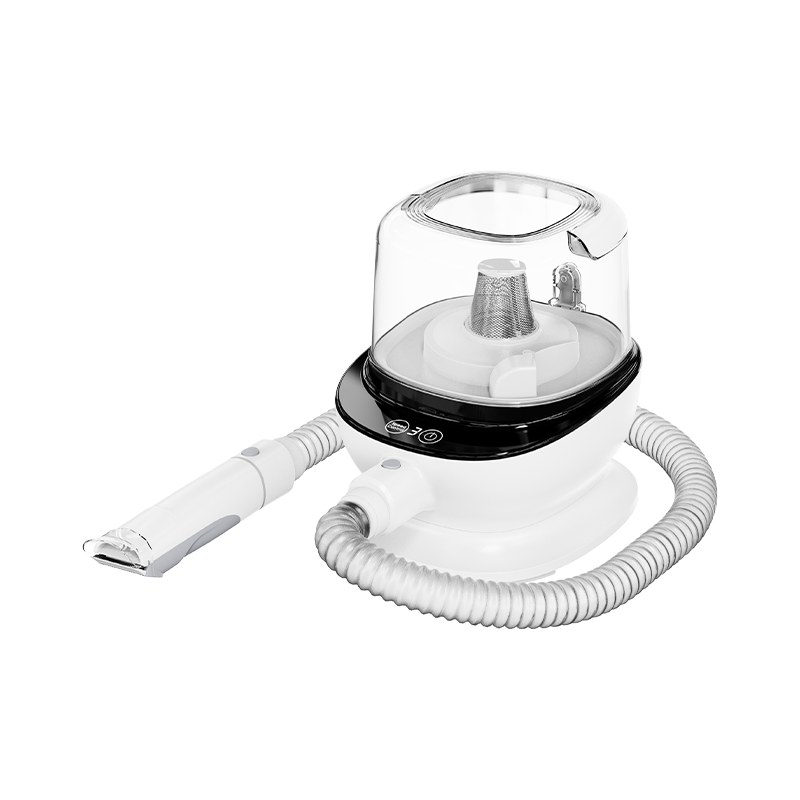
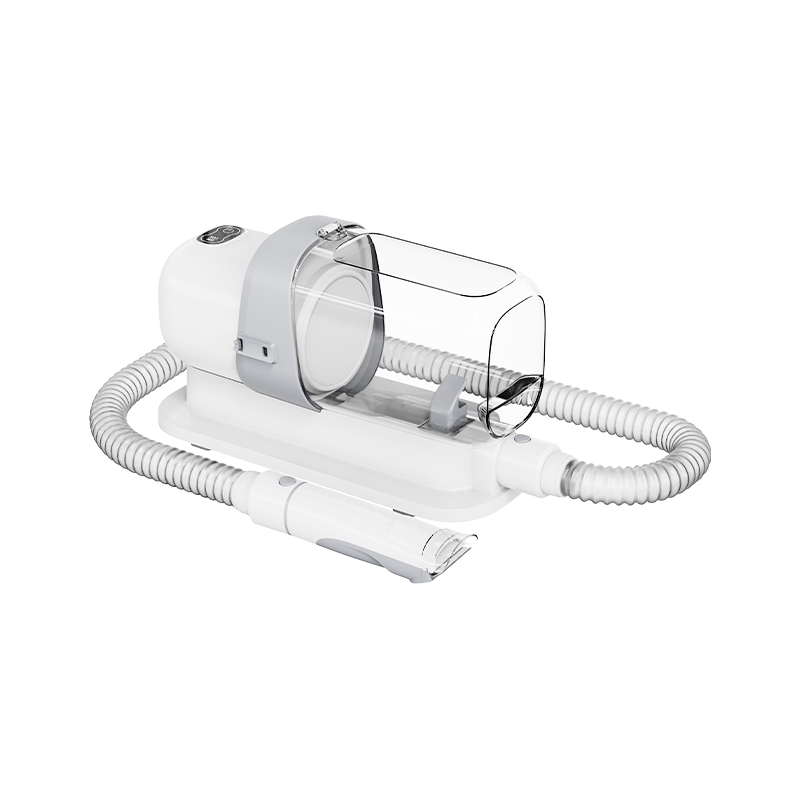 Adjustable Multifunctional Pet Hair Vacuum CleanerThis grooming vacuum uses a shave-and-suck design to collect hair at the source, with three adjustable levels for different coat types and a low-noise motor to keep pets calm during grooming.View Product →
When a Multi-Function Pet Grooming Tool Makes Sense
Pet owners who groom indoors often discover that brushing is the easy part; cleaning the hair off the floor, the sofa, and their own clothes is the actual workload. Multi-function grooming tools address this by combining brushing, clipping, or blowing with suction, so the hair is collected at the source instead of drifting around the room.
A 3-in-1 vacuum, clipper, and comb unit is a practical choice when the pet has a medium coat and the owner wants one device for both grooming and trimming. For longer coats that need drying after a bath, a combined vacuum and blower model reduces the number of devices stored in the cabinet.
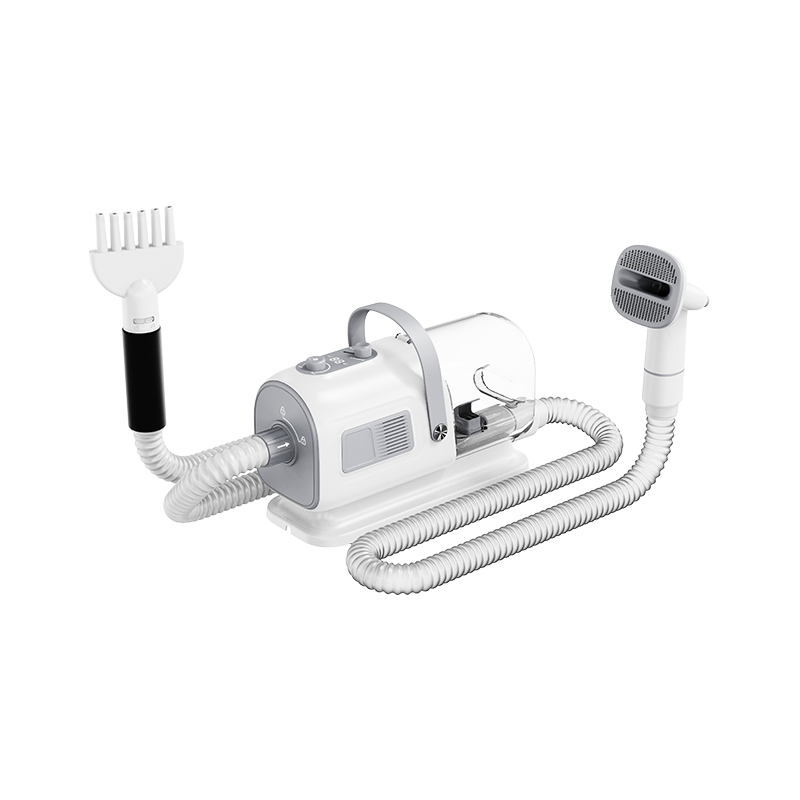
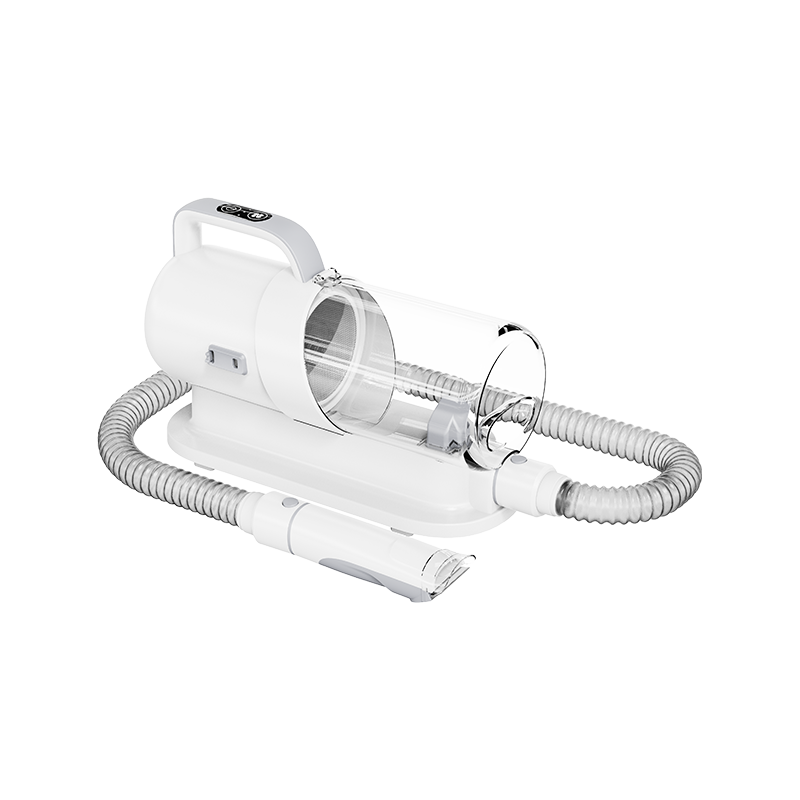 3-in-1 Pet Hair Vacuum, Clipper, and CombThis 3-in-1 tool combines a clipper, comb, and vacuum to trim and collect hair simultaneously, featuring multiple cutting modes for various coat types and a detachable 2.2L dust chamber for easy emptying.View Product →
These combined pet grooming tools are also becoming part of home routines because they are straightforward to maintain. Most designs use a transparent hair chamber and a washable filter: empty the chamber, rinse the filter, and the device is ready for the next grooming day.
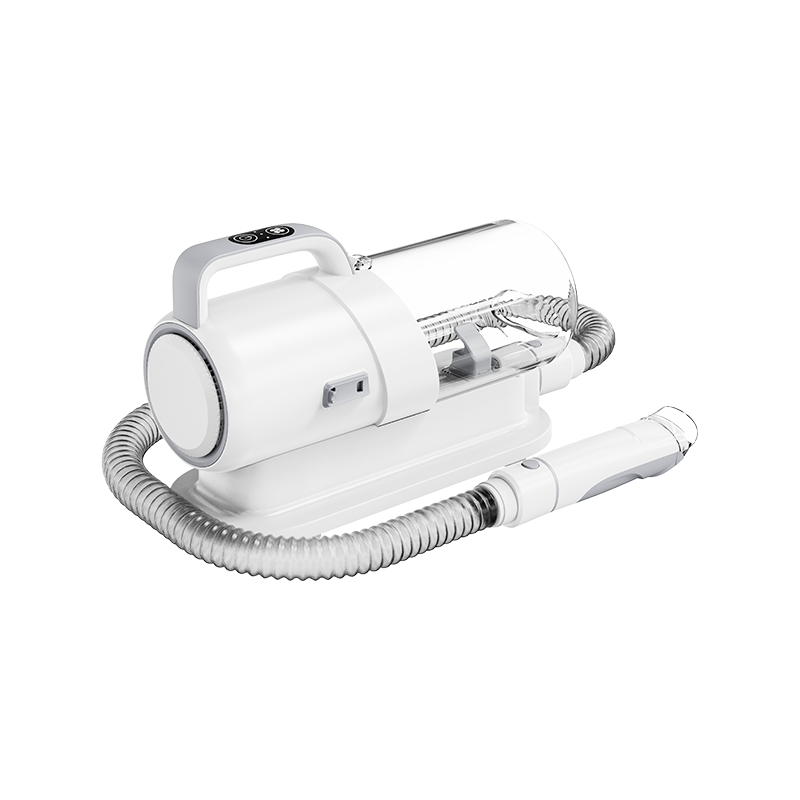
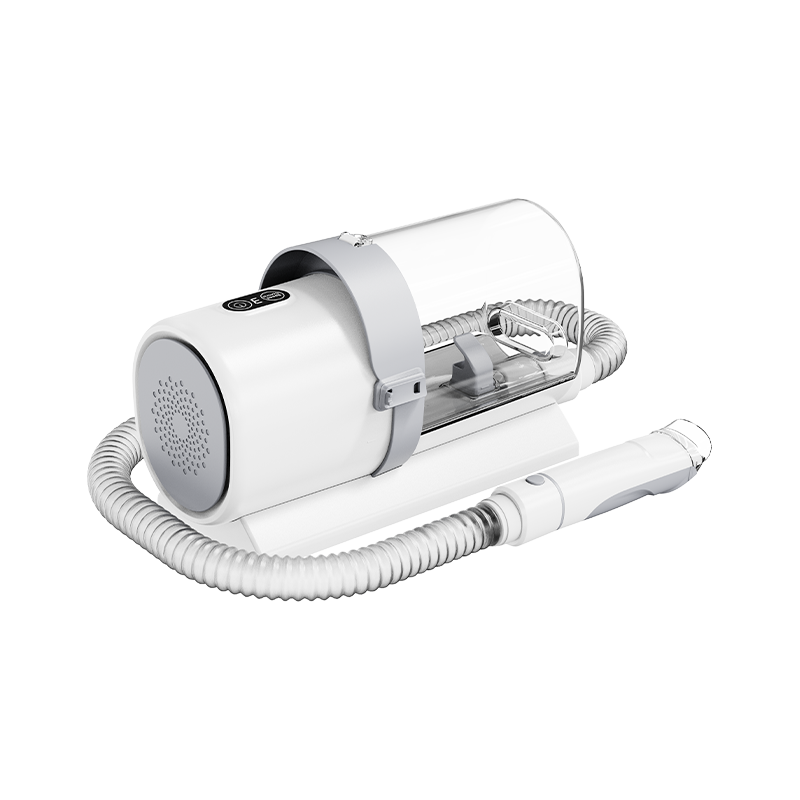
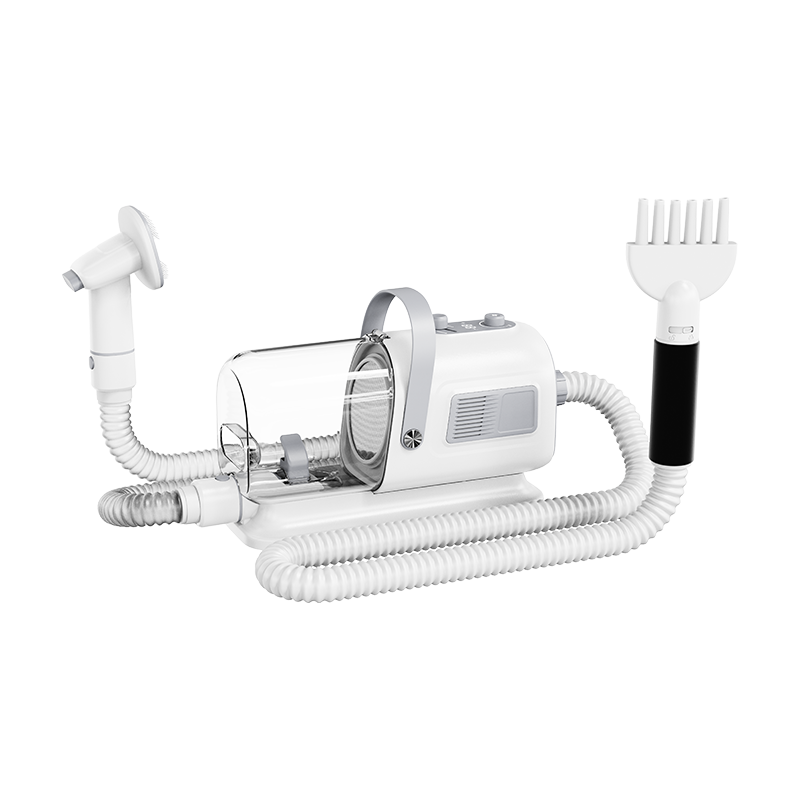 Pet Hair Vacuum and Blower All-in-One MachineThis all-in-one unit switches between vacuuming and blow-drying with infinitely adjustable airflow and digital temperature control, making it a space-saving choice for households that need both grooming and drying without extra devices.View Product →
That said, a multi-function tool is not the best choice for every household. If the pet is extremely sensitive to motor noise, a manual brush and comb will always be the calmer option. If the coat is very short and sheds lightly, the extra suction features may simply be unnecessary weight and cost.
Building a Grooming Routine That Works
Once the right pet grooming tool is in place, consistency matters more than session length. A five-minute session three times per week prevents the tangle buildup that turns a ten-minute groom into a stressful forty-minute wrestling match.
- Start with a quick hand check of the coat to identify mats, burrs, or tender spots.
- Work in the direction of hair growth, section by section, especially on long and double coats.
- Use the comb as a final check to catch small knots the brush missed.
- Empty and clean the grooming tool immediately after use so hair and dander do not accumulate.
- End the session with a treat so the pet forms a positive association.
This routine produces visible results within two to three weeks: less hair on furniture, fewer mats, and a calmer pet during grooming. It also gives you a consistent opportunity to monitor your pet's skin and overall condition. If you are still sorting through the options, our guide to professional grooming tools and blow dryers goes deeper into specific product categories and usage tips.
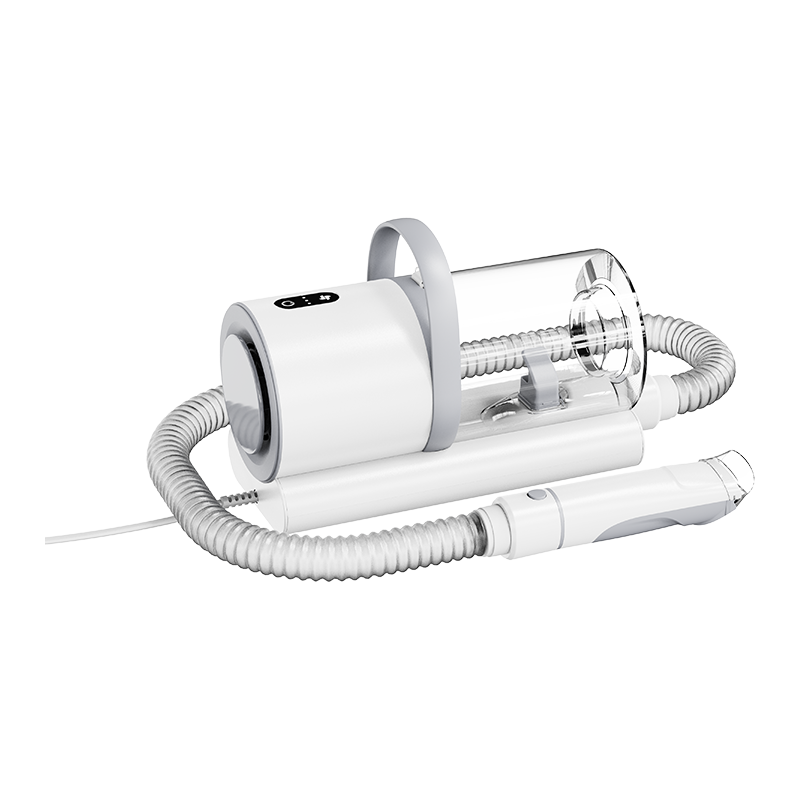

Contact Information
No. 2, Macaotou Road, Mazhu Town, Yuyao City, Zhejiang Province, China
+86-15669283739
Copyright © Ningbo Meace Pet Products Co., Ltd. Rights Reserved
