

 English
 Español
 Português
-
+86-15669283739
-

-
Home / News / Industry News / Stainless Steel Cat Litter Box: Durability, Odor Control, and Buying Tips
Stainless Steel Cat Litter Box: Durability, Odor Control, and Buying Tips
2026-09-20
Content
Walk into any pet supply store and you will see the same pattern: rack after rack of plastic litter boxes molded from thin polymer, most with the same shallow tray and the same low price tag. Six months of daily use tells a different story. The plastic absorbs urine odor, the base develops deep claw marks, and no amount of scrubbing brings back the original surface. The conclusion is straightforward: stainless steel cat litter boxes solve the three most common complaints about plastic — odor retention, scratch damage, and difficult sanitation. They cost more upfront, but they hold up for years, stay neutral-smelling, and clean easily with plain warm water.
Why Stainless Steel Litter Boxes Outperform Plastic
Plastic is porous at a microscopic level. Urine soaks into those pores, bacteria multiply inside the claw scratches, and the ammonia smell keeps returning even after you empty and wash the box. Stainless steel is non-porous. Its surface does not absorb moisture, so odors have no place to accumulate. A rinse with warm water and mild soap removes urine residue completely, and the material tolerates common disinfectants without warping or degrading.
Claw marks reinforce the same point. A plastic tray develops a frosted, scratched base within months of daily digging, and those grooves become permanent reservoirs for bacteria. On stainless steel, claws leave no visible wear. The surface stays smooth year after year, which makes scooping predictable and sanitation far more effective between full cleanings.
| Property | Plastic litter box | Stainless steel litter box |
|---|---|---|
| Odor absorption | Absorbs urine odors into pores | Non-porous; odor has nowhere to linger |
| Scratch resistance | Claws scratch the base within weeks | Surface stays smooth for years |
| Cleaning and disinfection | Hot water and bleach can cause warping | Withstands hot water and common disinfectants |
| Typical lifespan | 12 to 18 months in multi-cat homes | 5 or more years with normal care |
| Weight and stability | Light; tilts during heavy digging | Heavier; stays planted on the floor |
| Upfront cost | Low initial price | Higher, but lower cost over time |
The price gap is the main reason most households still buy plastic. A stainless steel box typically costs two to four times more than a comparable plastic one. Spread that difference over five years, though, and stainless usually ends up cheaper, because plastic boxes in active multi-cat homes are commonly replaced once a year.
What to Check Before You Buy a Stainless Steel Cat Litter Box
Not all stainless steel litter boxes are built the same. Sheet thickness, steel grade, and edge treatment vary from one supplier to another, and these details determine whether the box survives daily use or develops dents and rust spots. Here is what matters most.
- Steel grade and thickness. Choose 304-grade stainless steel with a sheet thickness of at least 0.5 mm. Thinner steel bends under heavy litter loads and can dent if the box is bumped. Lower-cost 201-grade steel is more prone to corrosion in humid bathrooms and laundry rooms.
- Edge finishing. Rolled or folded edges protect paws and hands and give the box structural rigidity. Raw, unpolished edges can be sharp enough to cut skin and should be rejected.
- Splash guard height. A raised back wall or rim roughly 15 to 20 cm above the digging area keeps litter and urine inside the pan. This matters most for male cats that spray and for cats that dig with enthusiasm.
- Footprint and grip. A wide base with non-slip feet keeps the box from sliding when the cat jumps in. The box should sit flat without rocking, so litter does not drift to one side.
- Scooping geometry. Look for rounded inner corners and a smooth transition from the bottom to the walls. Sharp corners trap litter and make the final wipe-down tedious.
Match the Box to Your Cat's Habits and Your Home
Cats vary widely in size, digging style, and preference for privacy. The same box will not suit a 6 kg Maine Coon and a nervous kitten. The practical approach is to identify the behaviour you need to manage, then select the design features that address it.
| Cat behaviour | Recommended feature | Why it helps |
|---|---|---|
| Deep digger | High splash guard and tall back wall | Keeps litter from scattering outside the box |
| Urine sprayer or male cat | Semi-enclosed or high-sided design | Contains splash and protects nearby walls |
| Large breed or multi-cat home | Extra-large, thickened steel pan | Provides turning space and resists tipping |
| Senior or arthritic cat | Low front entry with no high lip | Reduces the effort needed to step in and out |
| Sensitive nose in the household | Larger litter capacity and deeper pan | Dilutes urine concentration and extends intervals between cleanings |
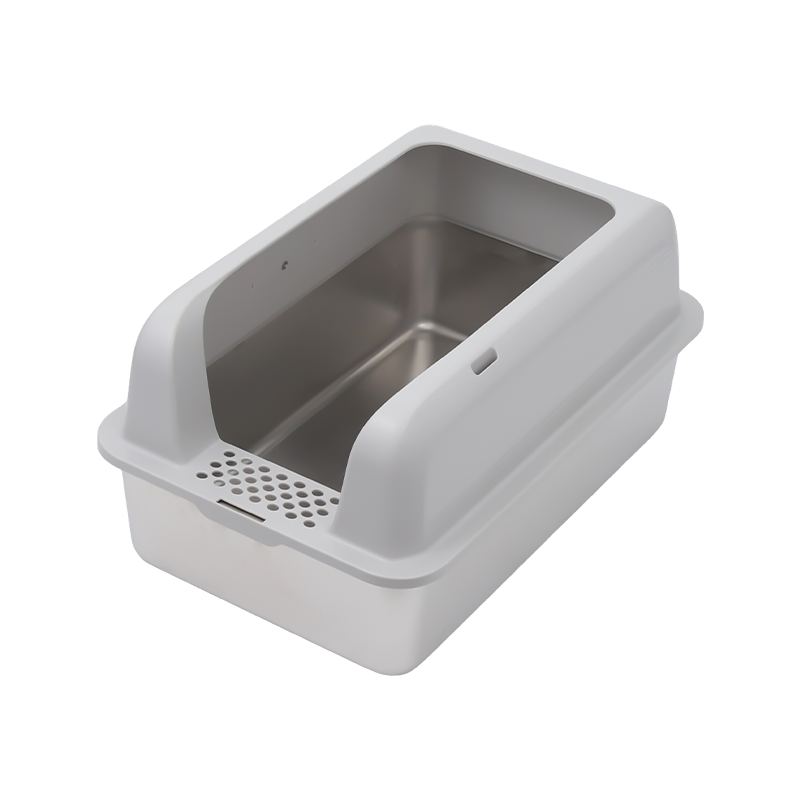
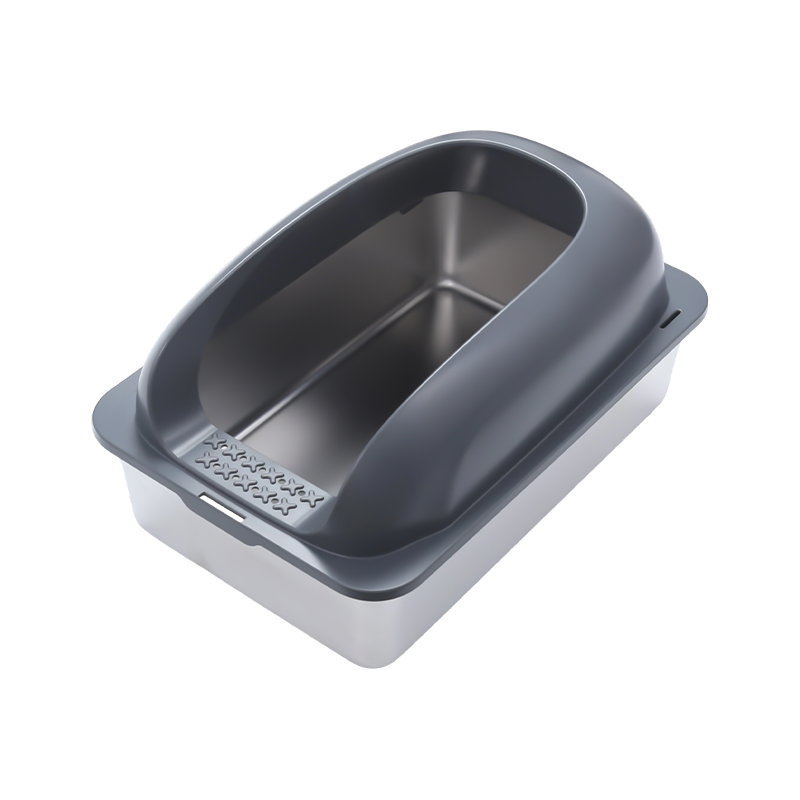
For households where spraying and litter scatter are the main frustrations, a splashproof pan with raised walls is the most direct fix. Our stainless steel splashproof cat litter box uses a one-piece drawn structure with a raised rim, so litter and urine stay inside the pan.
 Stainless Steel Splash-Proof Cat Litter Box with Raised RimThis one-piece drawn stainless steel box with a raised barrier controls litter scatter and urine splash, while its electrolytic surface simplifies cleaning and resists residue buildup.View Product →
In multi-cat households, capacity and stability matter more than splash control. A semi-enclosed large thickened tray gives each cat enough turning space while the raised back wall reduces the chance of ambush anxiety at the doorway.
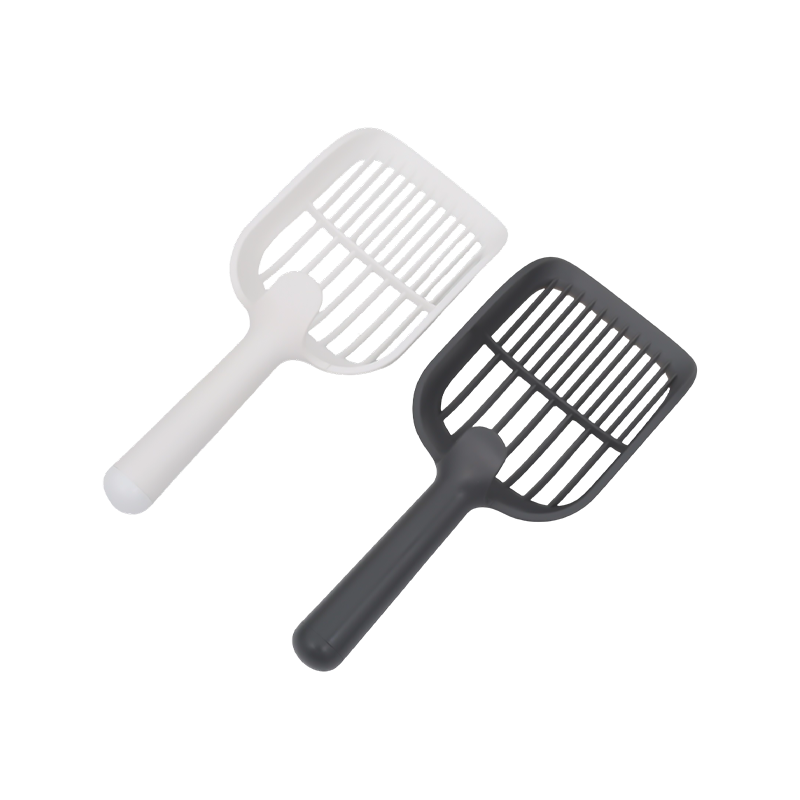
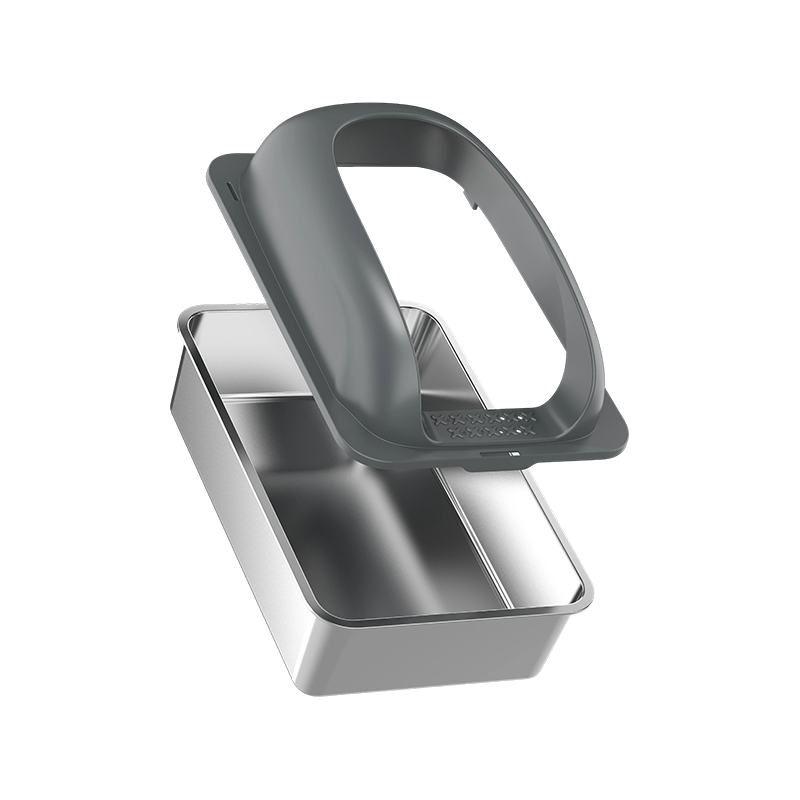 Semi-Enclosed Large Thickened Cat Litter Box with High BaffleDesigned for multi-cat homes, this spacious tray offers ample turning room and a high baffle to contain mess, while the non-stick bottom and scoop with bag drawer ease maintenance.View Product →
What to Look For When Sourcing Stainless Steel Litter Boxes
Retailers, importers, and private-label brands need to evaluate more than the product itself. Material sourcing, forming consistency, and packaging all influence your margins and your customer return rate.
- Material traceability. Ask for material certificates that confirm 304-grade stainless steel. Inconsistent coil quality shows up months later as rust spots on products already sold to consumers.
- Forming quality. Deep-drawn pans should have smooth, crack-free bend radii. Micro-cracks at the corners become corrosion points once moisture and urine settle in.
- Packaging for freight. Stainless pans dent when they touch each other inside a container. Edge protectors and paper interlayers prevent metal-to-metal contact and reduce transit damage claims.
- Surface finish consistency. A brushed finish helps hide fingerprints, but it must still be smooth enough that urine does not pool in micro-scratches. Inspect the interior surface under strong light during a factory audit.
- Production capacity and lead times. A supplier with in-house tooling, injection molding, and assembly lines can respond faster and keep quality stable. Our facility in Yuyao, operated by Ningbo Meace Pet Products, spans roughly 45,000 m² and runs more than 10 production lines.
If you are comparing suppliers, review our full product line and manufacturing background on our website before requesting a quote. The same quality system also produces pet water fountains, retractable leashes, grooming tools, and automatic feeders, with shipments to North America, Europe, South America, the Middle East, Asia, and Australia.
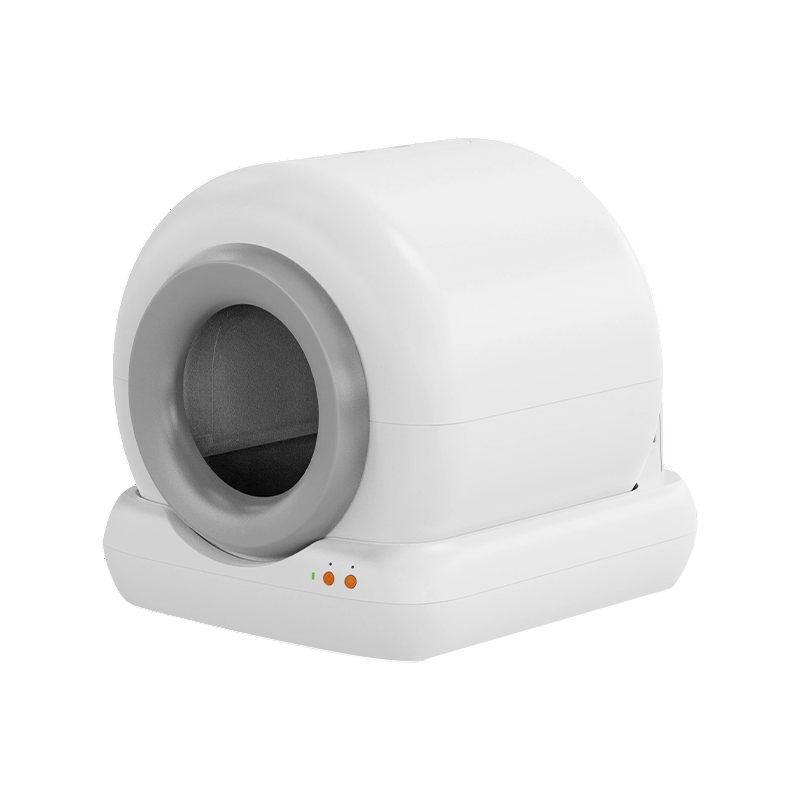
A separate route worth considering is automation. If your customers value convenience over material, the recent shift toward smart litter boxes shows that AI and connectivity features are becoming mainstream purchase drivers. For that niche, our smart self-cleaning litter box follows the same production standards as the stainless line.
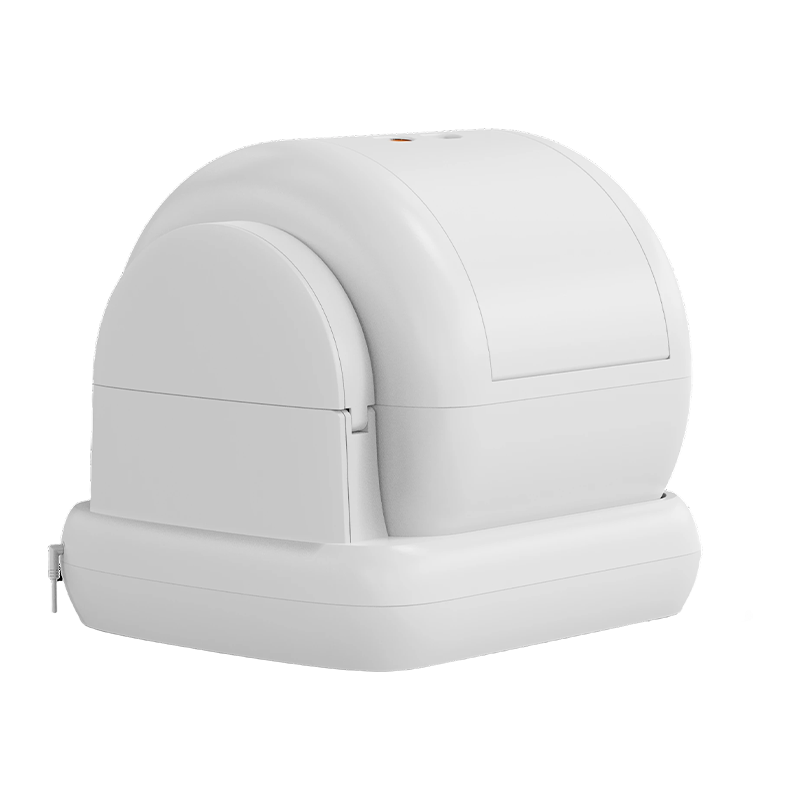 Smart Self-Cleaning Cat Litter Box with APP ControlThis PP and ABS smart box offers manual or automatic waste removal and APP monitoring, helping manage odor remotely. It suits buyers exploring convenient, connected pet care solutions.View Product →
Buyers who prioritize hygiene, durability, and long-term cost usually come back to the same answer: stainless steel, chosen carefully and sized to the cat. Start with the material, verify the thickness and edge quality, then select a design that controls scatter and fits your cleaning routine. The upfront price will be higher than plastic, but the box will still be in service, odor-free and dent-free, several years later.


Contact Information
No. 2, Macaotou Road, Mazhu Town, Yuyao City, Zhejiang Province, China
+86-15669283739
Copyright © Ningbo Meace Pet Products Co., Ltd. Rights Reserved
