

 English
 Español
 Português
-
+86-15669283739
-

-
Home / News / Industry News / Retractable Dog Leash: What Every Owner Needs to Know Before Buying One
Retractable Dog Leash: What Every Owner Needs to Know Before Buying One
2026-05-07
Content
- 1 How a Retractable Dog Leash Actually Works
- 2 The Real Safety Risks — What the Data Shows
- 3 When a Retractable Leash Is — and Isn't — Appropriate
- 4 Choosing the Right Retractable Leash: Key Specifications Explained
- 5 Top Retractable Dog Leash Options Compared
- 6 Retractable Leash vs. Long Training Line: Which Should You Use?
- 7 How to Use a Retractable Leash Safely
- 8 The Impact of Retractable Leashes on Dog Behaviour
- 9 Maintenance and Lifespan: Getting the Most from Your Leash
- 10 Legal Restrictions on Retractable Leashes
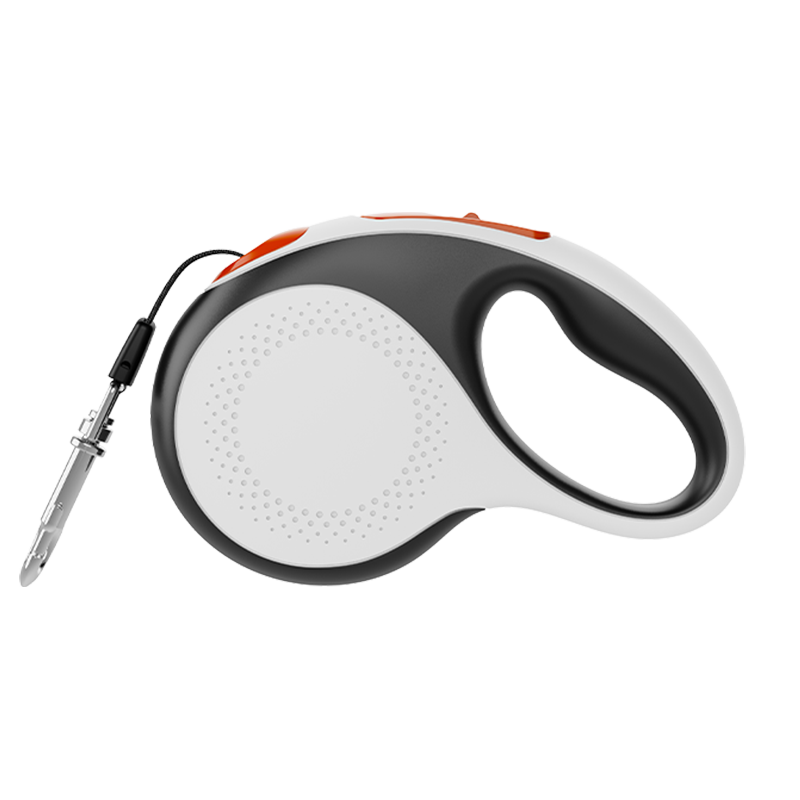
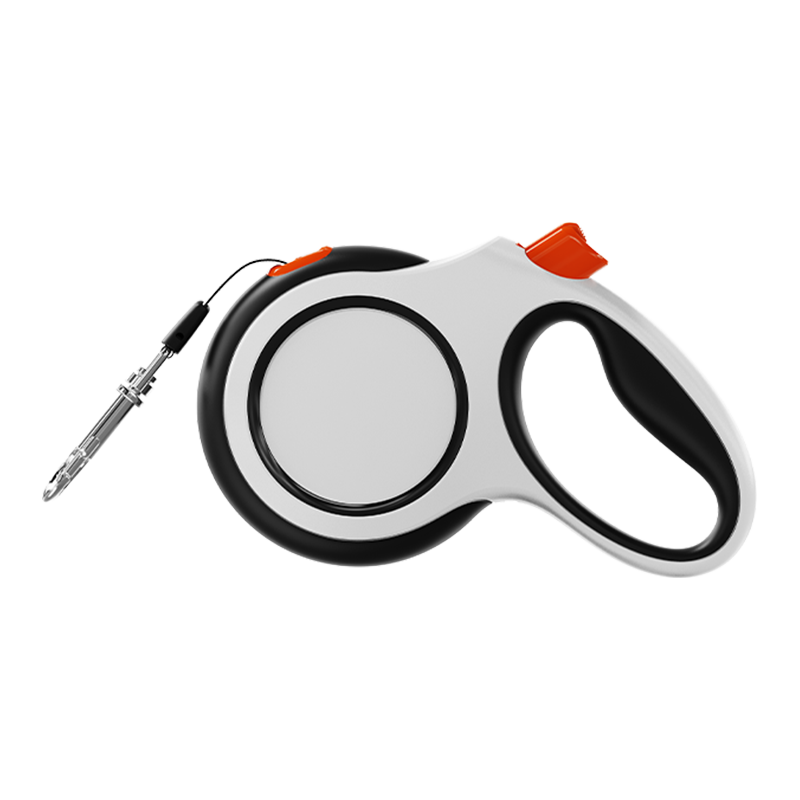
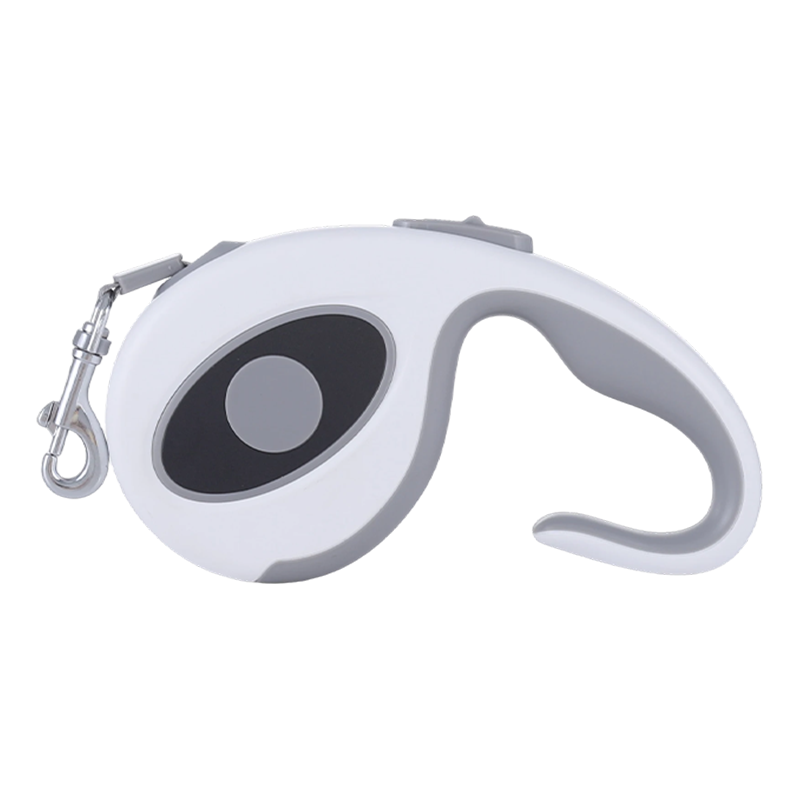
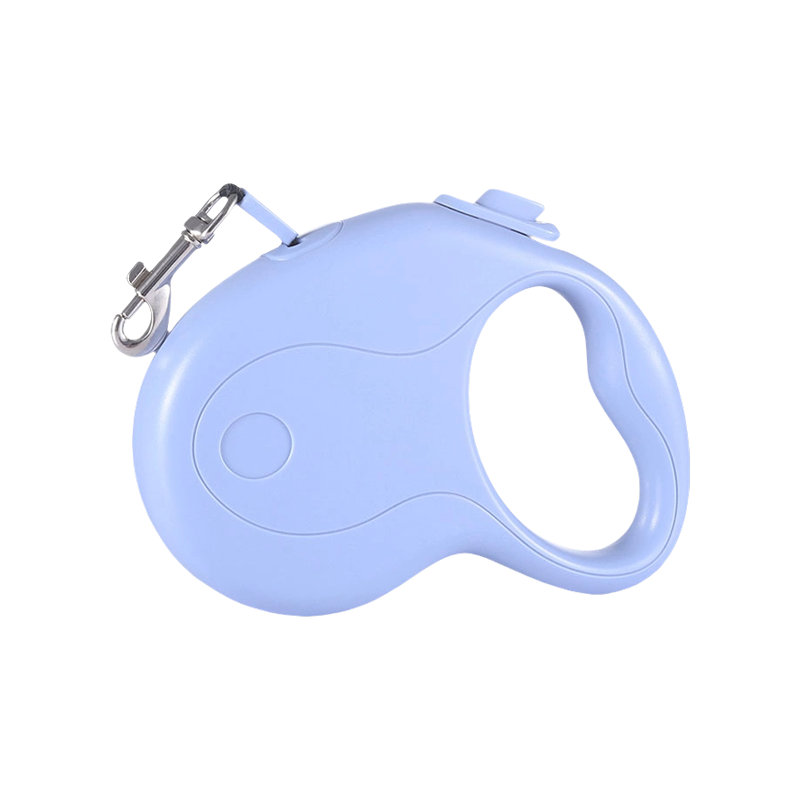
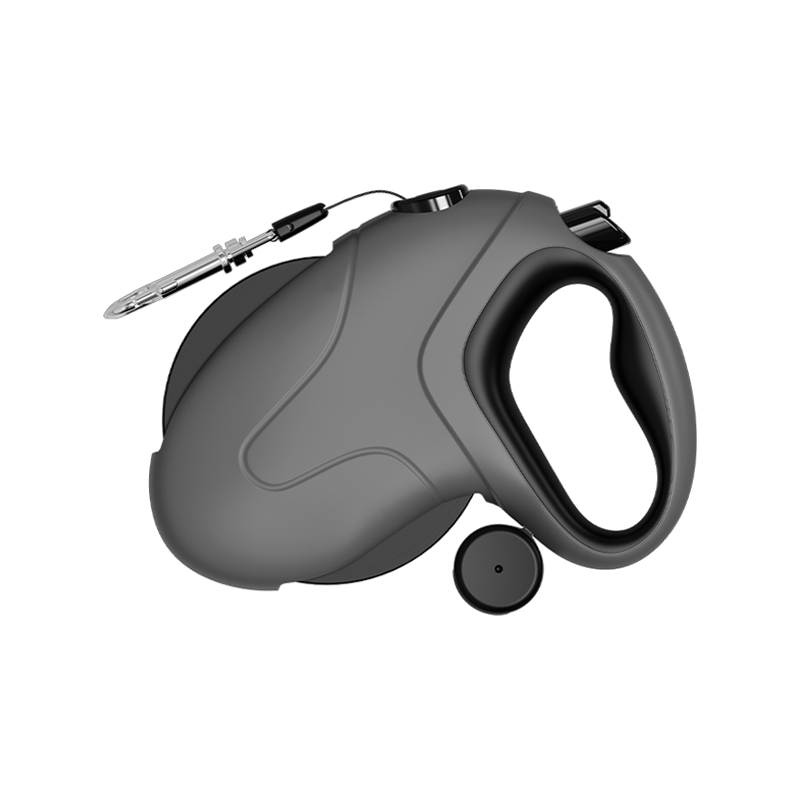
A retractable dog leash gives your dog the freedom to explore a wider area while keeping them technically on lead — but it comes with real trade-offs that every owner should understand before buying one. The core mechanism is simple: a thin cord or flat tape, typically between 3 and 8 metres (10–26 feet) long, winds around a spring-loaded spool inside a plastic handle. A thumb button locks the length or allows it to extend and retract freely. Used in the right situations — open parks, low-traffic areas, calm and well-trained dogs — a retractable leash can meaningfully improve the quality of a dog's walk. Used carelessly, it can cause serious injury to dogs, owners, and bystanders. This guide covers everything you need to make an informed decision: how retractable leashes work, which types suit which dogs, what the safety data actually shows, and how to choose a model that won't let you down.
How a Retractable Dog Leash Actually Works
The internal mechanism of a retractable leash is built around a coiled spring and a braking system. When your dog moves forward and applies tension, the cord or tape unspools from the drum. When tension releases, the spring recoils and pulls the cord back in. The brake — operated by the thumb button on top of the handle — either locks the cord at its current length or releases it to move freely.
Most retractable leashes come in one of two cord formats:
- Cord/rope style: A thin, round nylon cord. Longer maximum lengths are possible because the cord packs tightly onto the spool. The downside is that thin cord can cut or burn skin and cause serious lacerations if it wraps around a limb at speed.
- Tape/ribbon style: A flat, wider nylon tape. Less likely to cause cutting injuries, more visible, and generally more durable. Most safety-conscious brands now favour tape over cord.
The handle is typically made from ABS plastic and is designed to be held in one hand. Its bulk — necessary to house the spring mechanism — is one of the reasons retractable leashes offer less control than a standard fixed leash: it is difficult to grip firmly, and the distance between hand and dog makes directional corrections slow.
The Real Safety Risks — What the Data Shows
Retractable leashes are one of the more polarising pieces of dog equipment, and for good reason. The US Consumer Product Safety Commission (CPSC) data shows that retractable leashes are involved in thousands of emergency room visits annually. A study published in the Journal of the American Veterinary Medical Association found that retractable leash injuries accounted for a disproportionate share of leash-related trauma in both dogs and humans. The most commonly recorded injuries include:
- Finger amputations and lacerations: Wrapping a thin cord around a finger while a dog lunges can result in degloving injuries or amputation. The CPSC has recorded multiple documented finger amputation cases from retractable leash cord entanglement.
- Rope burns and abrasions: To bystanders and owners when cord moves rapidly across skin — particularly the legs.
- Falls: When a dog reaches full cord extension and the sudden jerk pulls the owner off balance. This risk is especially pronounced for older adults and smaller owners walking large dogs.
- Neck and tracheal injuries in dogs: The sudden jerk when a dog hits the end of an extended cord transmits significant force directly to the neck — a risk amplified if the leash is attached to a collar rather than a harness.
- Entanglement of other dogs or children: A cord extended across a path can trip or entangle bystanders who do not see it in time.
None of this means retractable leashes should never be used — but it does mean they require active, attentive handling. They are not a hands-free or low-attention option.
When a Retractable Leash Is — and Isn't — Appropriate
The suitability of a retractable leash depends almost entirely on context and the individual dog's training level. Below is a practical breakdown:
| Situation / Dog Profile | Retractable Leash Suitable? | Notes |
|---|---|---|
| Open field, no traffic, calm dog | Yes | Ideal use case; dog benefits from extra exploration range |
| Urban pavement, pedestrian traffic | No | Cord can trip bystanders; reduced control near roads is dangerous |
| Dog with strong prey drive | No | Sudden lunging at full extension is dangerous; use fixed leash |
| Reactive or dog-aggressive dog | No | Difficult to reel in quickly; increased risk of incidents |
| Beach or coastal path, few people | Yes | Good sniffing and exploration opportunity in low-risk environment |
| Dog park or off-leash area | No | Cord can entangle other dogs or people; banned at many dog parks |
| Puppy in recall training | Conditional | A long training line is safer and more effective for recall work |
| Elderly or mobility-impaired owner | No | Jerk-loading risk from extended cord can cause falls |
Choosing the Right Retractable Leash: Key Specifications Explained
Not all retractable leashes are built to the same standard. The market ranges from cheap, poorly made units that snap under load to well-engineered products built for daily use. Here is what to evaluate before purchasing:
Weight Rating
Every retractable leash has a stated maximum weight limit. Never use a leash rated below your dog's actual body weight — and ideally choose one rated at least 10–15 kg above it to account for dynamic load (the force generated when a moving dog reaches the end of the cord, which significantly exceeds static weight). Manufacturers typically group leashes into small (up to 12 kg / 26 lb), medium (up to 25 kg / 55 lb), large (up to 50 kg / 110 lb), and extra-large categories.
Cord vs. Tape
As noted above, tape-style leashes are generally safer for most users. The wider surface area distributes force more evenly if contact with skin occurs, and tape is more visible to bystanders. Cord leashes are lighter and allow longer maximum extensions but carry a higher laceration risk and are less durable over time.
Brake Mechanism Quality
The brake is the most mechanically stressed component of the leash. On budget models, the brake can slip under sustained load or fail to hold when a large dog pulls. Test the brake before trusting it near traffic: lock it at a short length and apply steady tension — it should hold without slippage. Flexi, the German brand that effectively invented the consumer retractable leash market in 1972, sets the benchmark here; their brake mechanisms are rated to hold under repeated dynamic loading well in excess of their stated weight limits.
Handle Ergonomics
A comfortable, secure grip matters more than it might seem — particularly in wet conditions or when a strong dog suddenly accelerates. Look for rubberised or textured grips, a thumb button that is easy to depress without repositioning your hand, and a handle size proportionate to your own hand. Some models include a secondary wrist loop; this is a useful feature but should never substitute for an active grip.
Clip and Connection Point
The snap hook (clip) connecting the leash to your dog's collar or harness is a common failure point on cheaper units. Look for a swivel snap hook rated for the leash's stated weight, with a positive locking mechanism that does not open under sideways pressure. Avoid leashes where the clip is visibly lightweight relative to the stated weight capacity.
Top Retractable Dog Leash Options Compared
The following table compares a range of well-regarded retractable leashes across the key decision criteria, from budget-friendly to premium:
| Model | Max Dog Weight | Max Length | Cord or Tape | Best For |
|---|---|---|---|---|
| Flexi New Classic Large | 50 kg (110 lb) | 5 m (16 ft) | Tape | Everyday use, large breeds, reliability |
| Flexi Giant Professional | 60 kg (132 lb) | 8 m (26 ft) | Tape | Very large or powerful breeds |
| TaoTronics Retractable Leash | 50 kg (110 lb) | 5 m (16 ft) | Tape | Budget buyers, medium to large dogs |
| Wigzi Dual Doggie | 2 × 30 kg (2 × 66 lb) | 3 m (10 ft) | Tape | Walking two dogs simultaneously |
| Baapet Strong Retractable | 50 kg (110 lb) | 5 m (16 ft) | Cord | Owners preferring lightweight cord style |
| Fida Retractable Dog Leash | 25 kg (55 lb) | 5 m (16 ft) | Tape | Small to medium dogs, casual walkers |
Flexi remains the gold standard for build quality and brake reliability — their products are manufactured in Germany and have been independently tested to withstand loads well beyond their rated limits. For owners of large or powerful breeds, spending the additional cost on a Flexi unit is worth it. For small dogs walked in low-risk environments, mid-range tape leashes from brands like Fida or TaoTronics offer reasonable quality at a lower price point.
Retractable Leash vs. Long Training Line: Which Should You Use?
A common question — particularly for new dog owners — is whether a retractable leash or a long training line (also called a long line or check cord) is the better tool for giving a dog more movement freedom. These are different pieces of equipment designed for different purposes.
- Retractable leash: Spring-loaded, automatically retracts slack, comfortable one-handed use, relatively short (3–8 m), limits sniffing/exploration somewhat due to constant tension. Best for calm, trained dogs in open, low-traffic spaces where extra freedom is desired without active training goals.
- Long training line: Fixed length (typically 5–30 m), no spring tension, allows complete slack for natural movement, better for recall training, sniff walks, and scent work. Requires more handler attention to manage slack but gives the dog a more genuinely free movement experience. Biothane or waterproof nylon versions are practical for outdoor use.
Dog trainers broadly prefer long training lines over retractable leashes for recall work. The constant tension from a retractable leash can actually undermine recall training by teaching the dog that there is always resistance at the end — they may learn to pull against the tension rather than return to the handler. A long line, by contrast, allows genuine slack and more accurately simulates off-lead conditions during the training process.
The practical takeaway: if your goal is to let your dog sniff and explore in a safe environment, either can work. If your goal involves training, a long line is the better tool.
How to Use a Retractable Leash Safely
Most retractable leash injuries are preventable with correct technique. The following practices significantly reduce risk:
- Always attach to a harness, not a collar. When a dog reaches the end of an extended cord and the leash jerks taut, the force travels directly to the attachment point. On a collar, this means the neck, trachea, and cervical spine absorb the shock. A well-fitted harness distributes this force across the chest and shoulders — a dramatically safer outcome.
- Never wrap the cord around your hand or fingers. Keep the handle in your palm, thumb resting on the brake button. If the cord needs shortening, use the lock function — never gather it in your hand.
- Lock the leash to an appropriate length in busy areas. Any time people, cyclists, other dogs, or traffic are nearby, lock the cord short. A retractable leash at full extension across a path is a genuine hazard to bystanders.
- Keep your dog in your field of vision at all times. Because the cord can extend well ahead of you, it is easy to lose situational awareness. Scan ahead for hazards before giving additional cord.
- Inspect the leash regularly. Check the cord or tape for fraying, kinks, or abrasion damage. Test the brake mechanism before each walk. Inspect the snap hook for any stiffness or looseness in the gate. Retire and replace any leash showing signs of wear.
- Never use a retractable leash near roads. The time lag between a dog moving into the road and you being able to reel them back is dangerous. At six metres of extension, a dog can reach the middle of a standard road before you can apply the brake and pull them back.
- Know your dog's maximum safe distance before locking. If your dog is trained to stay at a certain range, set the lock slightly shorter. Do not give a dog with unpredictable behaviour the full maximum extension.
The Impact of Retractable Leashes on Dog Behaviour
Beyond safety, retractable leashes can influence a dog's leash manners in ways that are worth understanding — particularly for owners of young or untrained dogs.
Pulling Behaviour
The spring mechanism of a retractable leash creates constant, consistent tension when a dog pulls forward. From a learning perspective, this means the dog experiences a reward (forward movement, reaching the thing they wanted to sniff) every time they pull. Retractable leashes effectively teach pulling because the mechanism is designed to follow the dog forward — which is the opposite of what leash training aims to achieve. Trainers frequently see dogs that have been walked exclusively on retractable leashes develop strong pulling habits that require significant retraining to correct.
Boundary Awareness
Dogs walked predominantly on retractable leashes often develop a weaker understanding of leash boundaries than dogs trained on fixed leads. Because the leash length changes constantly and there is no consistent feedback from a fixed point, the dog does not develop a reliable sense of how far they can move from their handler. This matters in situations where a fixed leash is necessary — for example, at a vet's office, in crowds, or near traffic — because the dog may resist being kept close.
Enrichment Benefits
It is worth being balanced: in appropriate settings, a retractable leash allows dogs significantly more sniffing and exploratory behaviour than a standard 1.2–1.8 m fixed leash. Sniffing is cognitively enriching for dogs — research from Dr. Alexandra Horowitz's Dog Cognition Lab at Barnard College has documented that dogs allowed to sniff on walks show lower cortisol levels and greater post-walk calm than dogs kept on tight leads. In safe, open environments, the additional range a retractable leash provides offers real benefits for a dog's mental wellbeing.
Maintenance and Lifespan: Getting the Most from Your Leash
Retractable leashes are mechanical devices with moving parts — they require regular maintenance to remain reliable. Neglected leashes are more likely to develop brake failures, cord jams, or snap hook failures that put both dog and owner at risk.
- Keep the housing clean: Mud, grit, and debris can work their way into the brake mechanism and spool housing. Wipe the housing down after muddy walks with a damp cloth. Do not submerge the leash — internal components are not designed to be washed out.
- Check and clean the cord or tape: Fully extend the cord periodically and inspect along its entire length for fraying, abrasion, or kinking. A frayed cord can snap under load — replace the leash immediately if the cord shows significant damage.
- Test the brake regularly: Lock the leash and apply steady tension in both directions. The brake should hold firm without slipping. If there is any slippage, the brake mechanism is worn and the leash should be retired.
- Replace the snap hook if needed: Many better-quality retractable leashes allow the clip to be replaced independently of the rest of the unit. If the hook spring weakens or the gate no longer locks positively, replace it before the next walk.
- Retirement guidelines: Even a well-maintained retractable leash should be replaced every 2–3 years with regular daily use, or sooner if any component shows wear. The spring tension weakens over time, and internal brake wear may not be visible from the outside.
Flexi sells replacement cords and tape inserts for most of their leash models, which allows the housing and brake mechanism to be retained while the worn cord is swapped out — an economical and environmentally sensible approach for owners who prefer not to replace the entire unit.
Legal Restrictions on Retractable Leashes
Many dog owners are unaware that retractable leashes are specifically prohibited in a number of locations. Because the leash allows a dog to extend well beyond arm's reach, some jurisdictions and facilities have moved to ban them outright in the interest of public safety.
- Dog parks: Many formal dog parks in the United States, Canada, and Australia explicitly prohibit retractable leashes in their rules. The entanglement risk with other dogs and people in confined, high-traffic areas is the primary reason.
- Veterinary clinics and hospitals: A growing number of veterinary practices ask clients to use only fixed leashes or to keep retractable leashes locked short in the waiting room. An extending leash in a busy vet waiting room — where stressed and reactive animals are in close proximity — is a recognised hazard.
- National parks and nature reserves: Some protected areas require dogs to be kept within 2 metres of their handler at all times, effectively prohibiting retractable leash use in their extended mode.
- Local leash laws: Some municipalities specify that dogs must be kept "under control" or "within arm's reach" — regulations that a dog on a 5-metre retractable leash likely violates. Check local bylaws before assuming your setup is compliant.
When in doubt, carry a standard fixed leash as well so you can switch as required — a short clip-on traffic lead that attaches to the retractable leash handle is a convenient solution some owners use.

Contact Information
No. 2, Macaotou Road, Mazhu Town, Yuyao City, Zhejiang Province, China
+86-15669283739
Copyright © Ningbo Meace Pet Products Co., Ltd. Rights Reserved
