

 English
 Español
 Português
-
+86-15669283739
-

-
Smart Litter Boxes: More Than a Self-Cleaning Upgrade
2026-06-04
Content
- 1 Smart Litter Boxes Do More Than Clean Themselves
- 2 How the Cleaning Mechanisms Actually Work
- 3 Health Monitoring Features and What the Data Tells You
- 4 Comparing Smart Litter Box Features by Use Case
- 5 Odor Control: Where Smart Boxes Succeed and Fall Short
- 6 Litter Compatibility: What Works and What Doesn't
- 7 Getting a Cat to Actually Use It
- 8 Real Costs Beyond the Purchase Price
Smart Litter Boxes Do More Than Clean Themselves
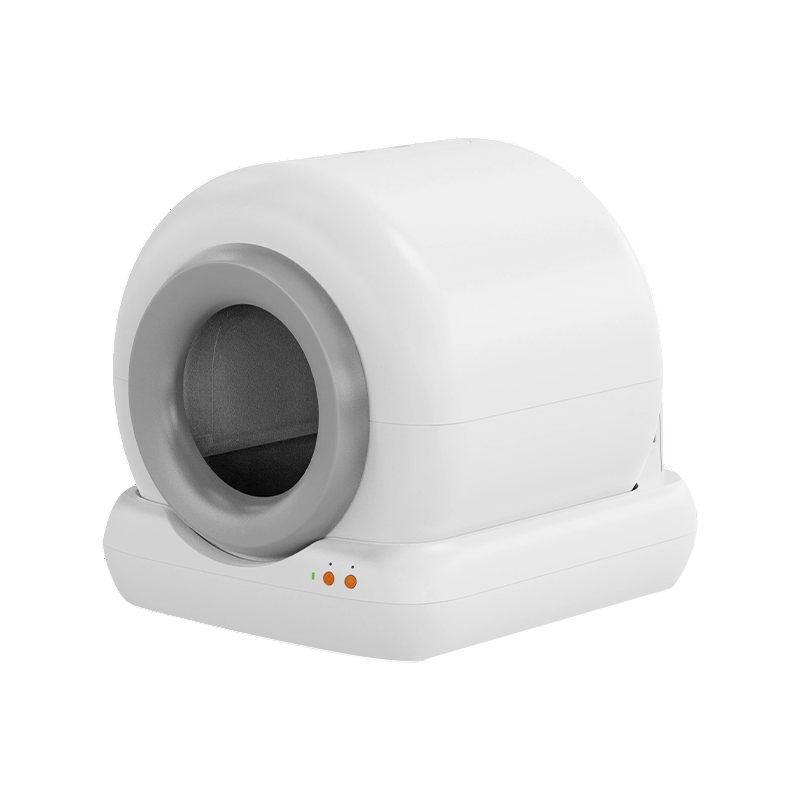
A smart pet litter box is a self-cleaning, sensor-equipped device that automates waste removal, monitors litter conditions, and — in more advanced models — tracks your cat's health metrics such as visit frequency, weight, and time spent in the box. Unlike a standard litter box that requires daily manual scooping, a smart litter box uses a motorized raking or rotating mechanism to separate waste and deposit it into a sealed compartment, typically within minutes of each use.
The global smart pet care market was valued at approximately $4.7 billion in 2023 and is projected to grow at a compound annual rate above 20% through 2030, with automated litter boxes representing one of the fastest-growing product categories within it. That growth is driven less by novelty and more by practical demand: multi-cat households, owners with mobility limitations, and working professionals who cannot maintain a rigid scooping schedule are turning to smart litter boxes as a functional solution rather than a luxury purchase.
What separates a genuinely useful smart litter box from an overengineered gimmick comes down to mechanism reliability, odor control effectiveness, litter compatibility, and whether the connected app features actually translate into actionable information for the owner.
How the Cleaning Mechanisms Actually Work
Smart litter boxes use one of three primary cleaning mechanisms, each with distinct trade-offs in waste handling efficiency, noise level, litter consumption, and maintenance complexity.
Rotating Globe Design
The entire litter chamber rotates slowly on a horizontal axis. As it turns, clumped waste falls through a sifting screen and collects in a drawer or bag below. This design is highly effective at separating clumps without raking blades that can break them apart, which reduces litter dust and preserves clump integrity for easier disposal. The enclosed globe shape also provides cats with a degree of privacy that many prefer. The main limitation is capacity — most globe units are sized for single or two-cat households, and the enclosed design can feel confining to larger breeds.
Raking Arm System
A motorized rake or comb moves through the litter bed after each use, pushing clumped waste into a collection bin at one end. Raking systems work with a wide variety of litter types, including non-clumping and crystal litters in some models, and tend to accommodate larger or open-top box formats that suit cats reluctant to enter enclosed spaces. The drawback is that rake tines can break apart clumps, scatter litter, and jam on larger waste deposits — a failure mode that requires user intervention and is a frequent complaint in long-term use reviews.
Conveyor and Belt Systems
Less common but increasingly available, belt-based systems use a moving conveyor to transport waste from the litter bed into a sealed collection unit. These designs tend to be lower-profile and quieter than globe or rake mechanisms, making them a practical option for households where noise-sensitive cats avoid mechanical devices. They require specific litter types — usually crystal or a dedicated pellet — and the belts themselves become a maintenance component that needs periodic inspection and replacement.
Health Monitoring Features and What the Data Tells You
The feature that most distinguishes premium smart litter boxes from basic automated models is health tracking. By combining weight sensors, visit duration timers, and usage frequency logging, these devices can surface behavioral patterns that often indicate health issues well before a cat shows visible symptoms.
Cats are notoriously effective at masking illness. Urinary tract disease, kidney failure, diabetes, and hyperthyroidism — conditions that collectively affect an estimated 30–40% of cats over age 10 — all produce measurable changes in litter box behavior before they cause visible distress. A smart litter box that logs visit frequency and duration provides owners and veterinarians with objective behavioral data rather than relying on owner recollection.
Weight Tracking
Integrated load cells measure a cat's weight each time it enters the box. Gradual weight loss — particularly a 10% or greater decline over 4–6 weeks — is one of the earliest indicators of hyperthyroidism, chronic kidney disease, or intestinal disease in cats. In multi-cat households, the system uses entry weight to distinguish between cats and log individual records, though accuracy degrades when cats are of similar weight.
Visit Frequency and Duration Alerts
Abnormal visit patterns are often the first observable sign of urinary problems. A cat making more than six visits per day, spending more than three minutes per visit without producing waste, or suddenly avoiding the box entirely may be experiencing a urinary blockage, urinary tract infection, or stress-related behavioral change. Smart litter boxes that push mobile alerts when visit patterns deviate from an established baseline allow owners to intervene before a condition becomes an emergency.
Comparing Smart Litter Box Features by Use Case
Not every household has the same priority. The table below compares the key feature areas across different ownership scenarios to help identify which capabilities are worth paying for.
| Use Case | Most Important Feature | Mechanism Preference | Health Monitoring Priority | Key Consideration |
|---|---|---|---|---|
| Single cat, small apartment | Odor containment, compact size | Globe or belt | Low–Moderate | Noise level near living area |
| Multi-cat household (3+) | High-capacity waste drawer, fast cycle | Raking (large format) | High — individual cat ID needed | Cat weight differentiation accuracy |
| Senior or health-monitored cat | Weight tracking, usage alerts | Any (low-step entry preferred) | Very High | Data export for vet sharing |
| Frequent traveler / remote owner | Large waste capacity, remote monitoring | Globe or raking with large bin | High — real-time app alerts | WiFi reliability and app uptime |
| Owner with mobility limitations | Fully automated, minimal intervention | Globe or belt (sealed waste) | Moderate | Ease of waste drawer access and emptying |
Odor Control: Where Smart Boxes Succeed and Fall Short
Odor control is the most immediate daily benefit most owners expect from a smart litter box — and the area where marketing claims most frequently diverge from real-world performance. Speed of waste removal, waste compartment sealing quality, and built-in odor neutralization technology all determine how effectively a unit controls smell.
Cleaning Cycle Timing
Most smart litter boxes allow owners to set a delay — typically 3 to 30 minutes — between when a cat exits and when the cleaning cycle begins. A shorter delay reduces odor exposure time but risks activating before a cat has fully left and settled, which can startle the cat and create aversion to the box. A delay of 5–10 minutes strikes the best balance between odor control and avoiding cat disturbance in most household environments.
Sealed Waste Compartments and Liner Systems
The quality of the waste drawer seal determines how much odor escapes between emptying cycles. Units that use carbon-filtered lids, airtight gasket seals, or pre-bagged waste cartridges consistently outperform open-drawer designs in long-term odor containment. Proprietary liner cartridges — while convenient — create ongoing consumable costs that can add $15–30 per month depending on usage volume and cat count.
Active Odor Neutralization
Some models incorporate UV-C light sterilization, ionic air purifiers, or activated carbon chambers within the litter compartment. These systems reduce airborne odor compounds between cleaning cycles rather than relying solely on waste removal speed. UV-C effectiveness in this context is limited by exposure time and surface area coverage, so it functions better as a supplementary measure than as a primary odor solution.
Litter Compatibility: What Works and What Doesn't
Litter compatibility is one of the most frequently overlooked factors when purchasing a smart litter box — and one of the most common sources of post-purchase frustration. Most automated mechanisms are optimized for specific litter types, and using the wrong one leads to jams, poor clump separation, and accelerated mechanical wear.
- Clumping clay litter: Compatible with the majority of smart litter boxes. Forms firm clumps that hold together during raking or rotation, resulting in cleaner separation and lower litter waste. Requires a minimum litter depth — usually 3–4 inches — to clump effectively before the cleaning cycle activates.
- Silica crystal litter: Compatible with select globe and belt-based models designed around non-clumping operation. Crystals absorb liquid waste and require less frequent full changes, but solid waste must still be separated — typically through a sifting mechanism. Not compatible with rake systems designed for clumping litter.
- Tofu and plant-based litters: Increasingly popular for their flushable and biodegradable properties, but their lighter weight and variable clump density cause performance issues in many automated systems. Clumps tend to crumble under raking, increasing litter loss into the waste drawer.
- Pine and wood pellet litters: Incompatible with most smart litter boxes. Pellets do not clump and disintegrate when wet, creating sawdust-like material that jams raking mechanisms and accumulates in sensors.
- Proprietary litter formulations: Several smart litter box manufacturers offer their own litter products optimized for their mechanism. While often more expensive than generic alternatives, these formulations are engineered to the specific particle size, clump hardness, and density the cleaning mechanism requires — and typically deliver better performance and fewer jams.
Getting a Cat to Actually Use It
A smart litter box only delivers value if the cat uses it. Transition resistance is real — particularly for cats that are noise-sensitive, older, or accustomed to open litter boxes. A rushed introduction is the most common reason owners return automated units within the first month.
- Place it beside the existing box first. Do not remove the old litter box immediately. Allow the cat to investigate the new unit at its own pace for at least one to two weeks before making it the only option.
- Disable automated cleaning initially. Run the new box in manual-only mode for the first week. The smell of familiar litter and the absence of unexpected motor sounds reduces initial avoidance significantly.
- Transfer a small amount of used litter. Adding a scoop of litter from the old box into the new one carries familiar scent markers that signal to the cat that the new location is an acceptable elimination site.
- Introduce cleaning cycles gradually. Begin with the longest available cleaning delay and activate cycles only during periods when the cat is in another room. Gradually reduce the delay over one to two weeks as the cat becomes desensitized to the sound.
- Never force or confine. Placing a cat inside the unit or blocking access to the old box prematurely creates negative associations that can cause long-term litter box aversion — a behavioral problem that is significantly harder to resolve than a slow transition.
Cats that successfully transition to a smart litter box within the first four weeks rarely revert, particularly once they associate the consistently clean litter surface — a result of frequent automated cycling — with a more pleasant experience than the sporadically cleaned manual box they used previously.
Real Costs Beyond the Purchase Price
Smart litter boxes carry a higher upfront cost than conventional options — typically ranging from $150 for entry-level models to $700 or more for premium units with full health monitoring capabilities. But the purchase price is only part of the total cost of ownership.
| Cost Category | Typical Range | Frequency | Notes |
|---|---|---|---|
| Unit purchase | $150–$700+ | One-time | Health monitoring adds significant cost premium |
| Litter (clumping clay) | $20–$40/month | Monthly | Comparable to manual box; some smart boxes reduce waste through precise cycling |
| Proprietary waste liners | $10–$30/month | Monthly | Applies only to models requiring brand-specific bags |
| App subscription | $0–$10/month | Monthly/Annual | Health data history and trend analysis often paywalled |
| Replacement parts (rake, belt) | $15–$60 | Every 1–3 years | Parts availability varies significantly by manufacturer |
App subscription models deserve particular scrutiny. Several manufacturers provide core automated cleaning functionality for free while locking historical health data, trend graphs, and multi-cat analytics behind a paid tier. Before purchasing, verify which features require a subscription and whether the subscription cost is included in total cost-of-ownership comparisons across competing models.


Contact Information
No. 2, Macaotou Road, Mazhu Town, Yuyao City, Zhejiang Province, China
+86-15669283739
Copyright © Ningbo Meace Pet Products Co., Ltd. Rights Reserved
