

 English
 Español
 Português
-
+86-15669283739
-

-
Home / News / Industry News / Fluid Dynamics, Multi-Stage Filtration Chemistry, and Submersible Pump Mechanics of Modern Automatic Pet Water Fountain Appliances
Fluid Dynamics, Multi-Stage Filtration Chemistry, and Submersible Pump Mechanics of Modern Automatic Pet Water Fountain Appliances
2026-05-28
Content
- 1 Fluid Kinematics and Dissolved Oxygen Aeration Dynamics
- 2 Multi-Stage Filtration Chemistry and Media Sorption Kinetics
- 3 Material Performance Classes and Structural Specifications
- 4 Submersible Synchronous Pumps and Magnetic Drive Engineering
- 5 Electronic Sensory Feedback and Smart Auto-Shutoff Loops
- 6 Step-by-Step Bi-Weekly Deep Cleaning and Assembly Protocol
- 7 Root Cause Mechanical Diagnosis and Field Troubleshooting
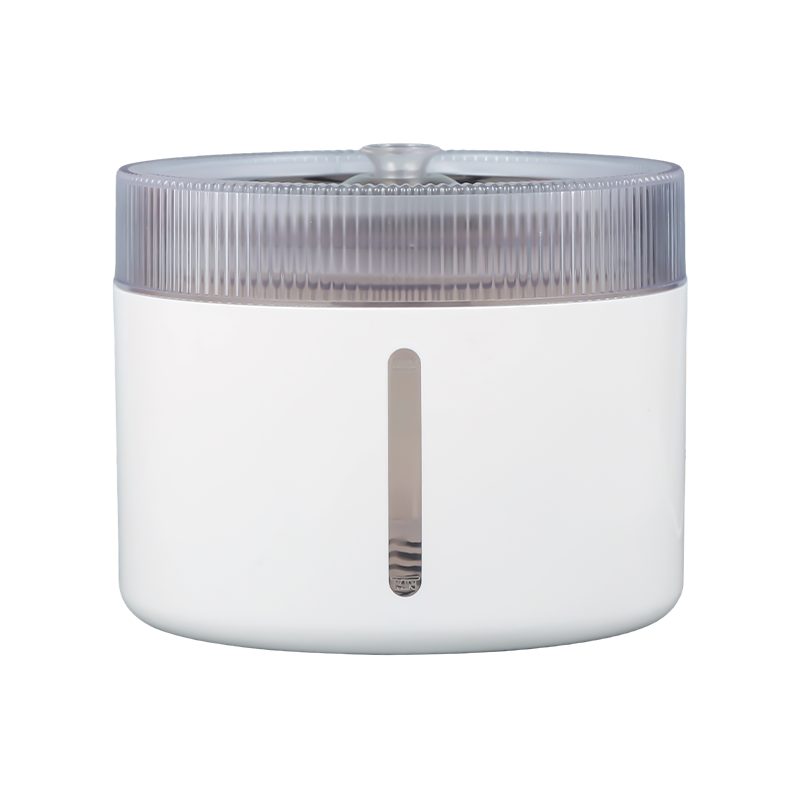
Encouraging consistent hydration in domestic animals requires a clean, oxygenated water supply that eliminates stagnant bio-films, organic debris, and chemical odors. The modern automatic pet water fountain provides this vital veterinary health solution, replacing traditional static water bowls that harbor dangerous bacterial colonies and rapidly lose oxygen content. By utilizing low-voltage, submersible synchronous pumps to continuously drive water through multi-stage activated carbon and ion-exchange resin filters, these appliances maintain constant surface tension breakage. This mechanical circulation cools the water temperature, strips out harsh mineral salts, and infuses dissolved oxygen, directly stimulating a pet's natural instinct to drink running water to prevent chronic renal diseases.
Fluid Kinematics and Dissolved Oxygen Aeration Dynamics
The fundamental appeal of a running water fountain to a domestic animal is rooted in evolutionary biology and fluid mechanics. Stagnant pools of water in nature are hotbeds for organic rot and deadly bacteria, causing animals to seek out fast-moving streams where water is naturally filtered and full of oxygen.
An automatic fountain recreates this natural process by using a calculated free-falling stream or a gentle bubbling top surface. As the submersible pump pushes water upward onto a wide discharge slide, the liquid spreads out into a very thin, moving sheet. This physical design maximizes the water's surface area contact with the surrounding air, accelerating a gas-exchange process known as passive aeration. This motion allows volatile organic gases and chlorine smells to evaporate into the air while absorbing fresh oxygen molecules directly from the room. Testing shows that a continuously circulating pet fountain maintains a dissolved oxygen concentration near 8.2 to 9.5 mg/L at room temperature, compared to static bowls which drop below 4.5 mg/L within 12 hours. This high oxygen level keeps the water tasting crisp and fresh, enticing pets to drink more frequently.
Boundary Layer Flow and Splatter-Free Mechanics
Designing the water slide inside the fountain requires strict attention to the fluid boundary layer to prevent loud splashing sounds and water droplets from spraying onto the surrounding floor.
Engineers mold the water slide out of high-density polypropylene or polished stainless steel with a gradual curved slope of 15 to 25 degrees. This precise shape maintains a smooth, laminar flow pattern, keeping the moving water clinging to the plastic ramp via surface tension. This eliminates turbulent tumbling and heavy splashing, allowing the appliance to run at an ultra-quiet sound level of under 30 decibels, ensuring timid cats and dogs can approach the fountain without being startled by mechanical noises.
Multi-Stage Filtration Chemistry and Media Sorption Kinetics
Simply moving water in circles is not enough to keep it safe; pets drop saliva, food particles, loose fur, and skin dander into the drinking bowl during every use. Without an integrated, chemical filtration system, these organic residues will quickly clog the pump and fuel rapid bacterial blooms.
To combat this pollution, modern automatic pet fountains force water through a multi-layered replaceable filter cartridge. The first line of defense is a high-porosity polyester pad that physically catches loose hairs and heavy food crumbs. Beneath this pad sits a thick layer of medical-grade activated carbon granules derived from coconut shells. This carbon features an extensive internal network of microscopic pores that chemically trap dissolved organic compounds, chlorine molecules, and bad odors via a process called molecular adsorption. The final filtration layer contains specialized ion-exchange resin beads. These beads swap out heavy calcium and magnesium ions dissolved in tap water for harmless sodium ions, softening the water to prevent the formation of hard mineral crystals in a pet's urinary tract.
Material Performance Classes and Structural Specifications
Product designers must carefully evaluate housing materials, reservoir volumes, electrical consumption, and pump lift metrics when engineering an automatic hydration system. Deploying low-grade plastics or weak motor impellers will cause the machine to degrade quickly under the corrosive effects of hard water and mineral scale.
The table below summarizes the core technical capacities, material grades, filtration layers, and operational limits for standard domestic automatic pet water fountains:
| Fountain Structural Category | Primary Housing Material Base | Reservoir Liquid Capacity | Pump Electrical Power Consumed | Filtration Efficiency Standard |
|---|---|---|---|---|
| Hygienic Surgical Steel Tower | SUS304 Food-Grade Stainless | 2.5 to 3.5 Liters | 1.5 Watts DC 5V Input | Triple-Action Mesh/Carbon/Resin |
| Vitreous Antimicrobial Ceramic Basin | High-Fired Porcelain Ceramic | 1.8 to 2.2 Liters | 2.0 Watts DC Low-Voltage | Dual-Core Activated Charcoal Pack |
| Heavy-Duty Molded Polymer Tub | BPA-Free Polypropylene Matrix | 5.0 to 7.0 Liters Max | 3.5 Watts High-Lift AC Motor | Coarse Screen + Carbon Block Cartridge |
Submersible Synchronous Pumps and Magnetic Drive Engineering
The mechanical muscle driving the water fountain is a miniature, oil-free submersible pump. Since this pump sits completely underwater and operates around pets that like to chew on cords, traditional direct-drive high-voltage shafts are a major safety hazard and cannot be used.
Instead, automatic fountains use an isolated magnetic-drive synchronous pump powered by a safe, low-voltage 5V DC or 12V AC step-down transformer. The motor stator windings are completely sealed inside a solid block of waterproof epoxy resin, isolated from the fluid chamber. The spinning plastic impeller contains a permanent ceramic ring magnet and slides onto a polished stainless steel or ceramic shaft inside the water loop. When electricity passes through the stator coils, it creates a rotating magnetic field that spins the isolated impeller without any direct physical connection. This clever magnetic coupling design eliminates the need for rubber oil seals that rot over time, eliminating the risk of electrical shorts or toxic lubricant leaks contaminating the drinking water.
Electronic Sensory Feedback and Smart Auto-Shutoff Loops
A common problem with basic water fountains is that pets will drink the reservoir dry over several days, or the water will slowly evaporate into the room, leaving the internal pump running without any fluid to cool it down.
If a submersible pump runs dry, its spinning impeller shaft will rapidly heat up past 120°C from pure friction, melting the plastic blades and destroying the motor windings. To prevent this dry-running damage, modern smart fountains incorporate an electronic low-water safety circuit. This setup uses a pair of solid-state stainless steel sensor probes or a hidden floating magnetic reed switch to monitor the water level. When the water drops below the safe minimum line, the sensor cuts the circuit, shutting off the pump automatically while flashing an integrated red LED warning light or sending a wireless alert to the owner's smartphone. This auto-shutoff shield keeps the motor from burning out and extends the working lifespan of the pump to over 3 to 5 years of constant service.
Step-by-Step Bi-Weekly Deep Cleaning and Assembly Protocol
Keeping an automatic pet fountain sanitary requires routine maintenance and deep cleaning every two weeks to remove accumulated mineral crusts and slimy saliva coatings. Following a structured mechanical teardown sequence ensures the plastic parts remain bacteria-free and prevents calcium grit from seizing the spinning motor parts.
- Disconnect Power and Drain the Reservoir: Unplug the low-voltage power cord from the wall outlet. Lift the upper drinking tray assembly away from the base, pull out the main water reservoir, and dump the old water down the sink drain.
- Extract and Discard the Spent Filter Cartridge: Slide the used composite filter cartridge out of its horizontal tracking slot. Discard the old filter in the trash, as these chemical media blocks saturate completely and lose their filtering abilities after 14 to 30 days of use.
- Teardown the Submersible Pump Housing: Pull the miniature water pump out of its suction-cup seat at the bottom of the basin. Use a small flat tool to pop off the front intake faceplate, slide out the plastic flow-adjustment valve, and pull the magnetic impeller magnet straight out of its central shaft tunnel.
- Dissolve Scale and Bio-Films with Citric Acid: Soak the disassembled pump parts, impeller magnet, and plastic housing trays in a warm solution of 5% food-grade citric acid or white vinegar for 20 minutes. Use a small nylon pipe brush to scrub away calcium scale deposits and clear out the narrow impeller tunnel.
- Rinse Parts, Insert New Filter, and Reassemble: Wash all components thoroughly with clean, fresh water to flush away any residual acid or vinegar smells. Re-insert the impeller back onto its shaft, snap the pump faceplate locked, slide a fresh pre-soaked filter cartridge into the housing, and refill the tank with clean water before plugging it back in.
Root Cause Mechanical Diagnosis and Field Troubleshooting
When an automatic drinking fountain begins to make a loud buzzing noise, spills water over its side walls, or stops pumping water altogether, owners can easily diagnose and fix the root mechanical fault by checking a few key internal parts.
A frequent operational issue is a loud, grinding rattle or loud vibration buzzing coming from the base of the machine, destroying its ultra-quiet performance. This acoustic chatter is typically caused by pet hairs or thick saliva slime wrapping around the base of the spinning impeller shaft. When long hairs slip past the filter screen, they get pulled into the magnetic motor tunnel, winding tightly around the ceramic shaft. This obstruction forces the impeller to wobble off-center as it spins, rattling against the plastic housing walls and straining the motor. Maintenance teams can fix this issue by pulling out the magnetic impeller with a pair of tweezers, clearing away the wrapped hair strands, and spreading a drop of vegetable oil on the shaft to restore smooth, silent spinning.
Another common performance failure is a drastic drop in water flow, where the fountain barely bubbles or fails to push water up to the top slide, despite the motor humming steadily. This drop in pressure points directly to heavy calcium scale buildup blocking the water intake grid or a completely clogged filter pad. In hard-water regions, calcium deposits gather on the small intake slits of the pump, choking off the water flow. Owners can fix this by sliding open the pump's flow-control dial, cleaning the intake slits with an old toothbrush dipped in vinegar, and replacing the clogged polyester filter pad to let water flow freely through the system again.



Contact Information
No. 2, Macaotou Road, Mazhu Town, Yuyao City, Zhejiang Province, China
+86-15669283739
Copyright © Ningbo Meace Pet Products Co., Ltd. Rights Reserved
