

 English
 Español
 Português

-
+86-15669283739
-

-
Home / News / Industry News / Cat Toilet Product Buying Guide: Smart vs Stainless Steel Litter Boxes
Cat Toilet Product Buying Guide: Smart vs Stainless Steel Litter Boxes
2026-10-15
Content
- 1 What Counts as a Cat Toilet Product?
- 2 Smart Self-Cleaning Cat Toilet Products: Sell Automation, Support Complexity
- 3 Stainless Steel Cat Toilet Products: Hygiene and Durability at a Shipping Cost
- 4 Comparing Cat Toilet Product Formats Before You Order
- 5 How to Read a Cat Toilet Product Specification Sheet
- 6 Landed Cost and Channel Fit
- 7 Supplier Qualification Questions
A buyer sourcing cat toilet products rarely fails because the concept is wrong. The order goes wrong when a smart self-cleaning unit looks great in a photo, but the motor, sensor, and tray geometry do not match the retailer’s return profile. Or a stainless steel model arrives with sharp edges that pass a visual check but fail a household safety test. If you are comparing suppliers for an upcoming assortment, start with this conclusion: match the cat toilet product type to the sales channel, then verify material thickness, cleaning mechanism, and spare-part support before you negotiate price.
This guide breaks down the main cat toilet product formats, the specifications that change the landed cost, and the sourcing questions that separate a repeatable order from a one-time shipment. It also uses practical tolerances and checkpoints you can put into a purchase order. For a quick view of the full category, review the complete cat toilet product range before shortlisting samples.
What Counts as a Cat Toilet Product?
In B2B sourcing, “cat toilet product” usually means a litter box or litter system, not a training device. The category splits into three commercial groups: open or semi-enclosed plastic trays, stainless steel pans, and automatic self-cleaning litter boxes. Each group solves a different customer problem.
- Open and semi-enclosed plastic trays: lowest unit cost, high volume, easy to stack and ship.
- Stainless steel litter pans: higher perceived hygiene, scratch resistance, and durability; heavier and more expensive to ship.
- Smart self-cleaning cat toilet products: higher retail price, electronic components, sensor and motor reliability, and after-sales support requirements.
The buying decision is not about which type is “best.” It is about which type fits the customer’s floor space, cat size, cleaning routine, and willingness to pay for automation.
Smart Self-Cleaning Cat Toilet Products: Sell Automation, Support Complexity
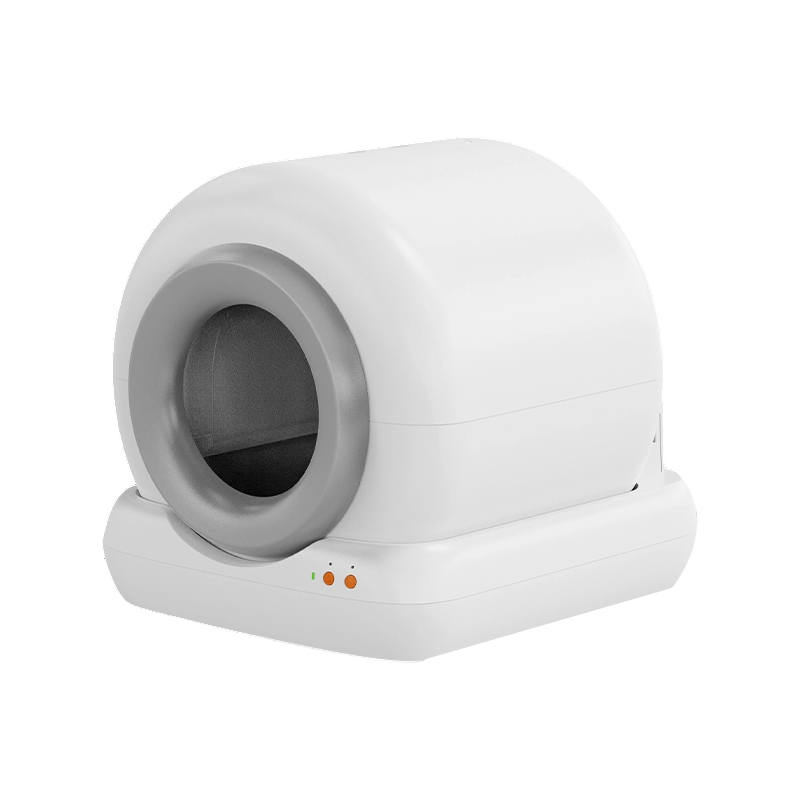
Smart self-cleaning models attract pet owners who travel, work long hours, or manage multiple cats. The commercial appeal is clear: less daily scooping, cleaner litter, and app or sensor-based monitoring. The sourcing risk is equally clear. A self-cleaning cat toilet product contains motors, gears, weight sensors, control boards, and safety locks. If any one of those parts fails, the customer does not see a component problem; they see a litter box that stopped working.
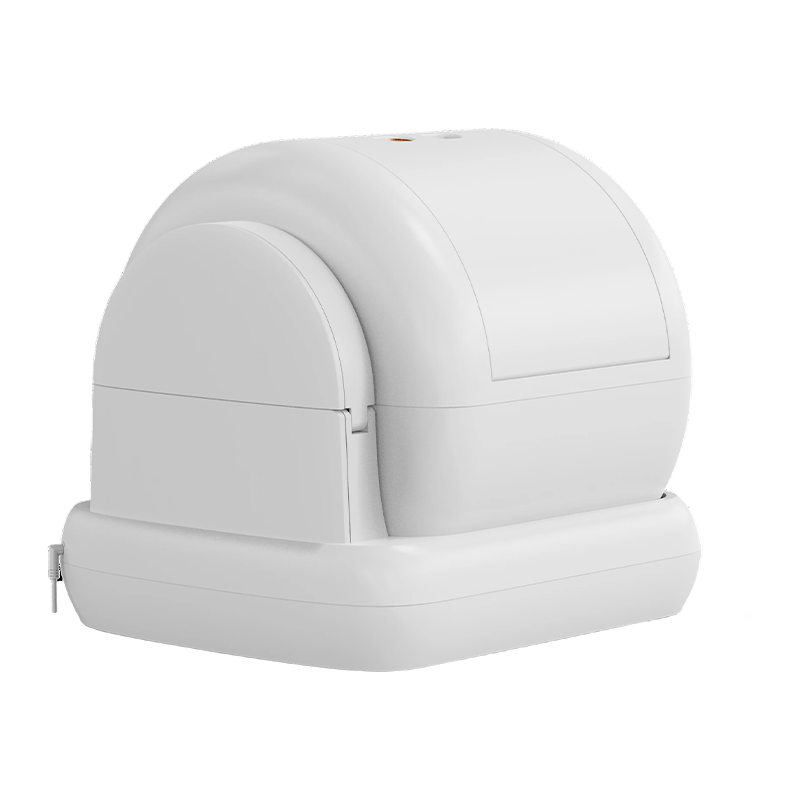 MAS620 Smart Self-Cleaning Cat Litter Box with App ControlOffers automatic and manual waste removal, app monitoring, and a 75 L litter chamber for simpler daily hygiene.View Product →
When evaluating this format, ask for the cleaning cycle time, maximum cat weight, litter type compatibility, and the safety stop mechanism. A cycle time of 60 to 90 seconds is common; anything much longer may frustrate owners. The weight sensor should reliably detect cats from about 1 kg to 10 kg, with a margin for larger breeds. Clumping clay litter is typical, but crystal or pellet litter may change the rake or sifting design. Also confirm whether the waste drawer has a liner or a reusable tray, because that choice affects repeat-purchase revenue.
Reliability Checks for Automatic Units
- Request a motor and gearbox life test report, not just a sample inspection.
- Check the anti-pinch or safety stop response time; a slow stop creates injury and liability risk.
- Verify sensor drift after 500 to 1,000 cycles, especially for weight-based detection.
- Confirm spare parts availability: motor, sensor, rake, waste drawer, and power adapter.
- Ask for a firmware and app update policy if the unit connects to a phone.
These checks matter because automatic cat toilet products often carry a 12-month warranty. If the supplier cannot supply parts after the warranty period, the retailer absorbs the complaint. Smart litter boxes are also part of a wider shift toward connected pet products, as covered in this article on AI and IoT in smart litter boxes.
Stainless Steel Cat Toilet Products: Hygiene and Durability at a Shipping Cost
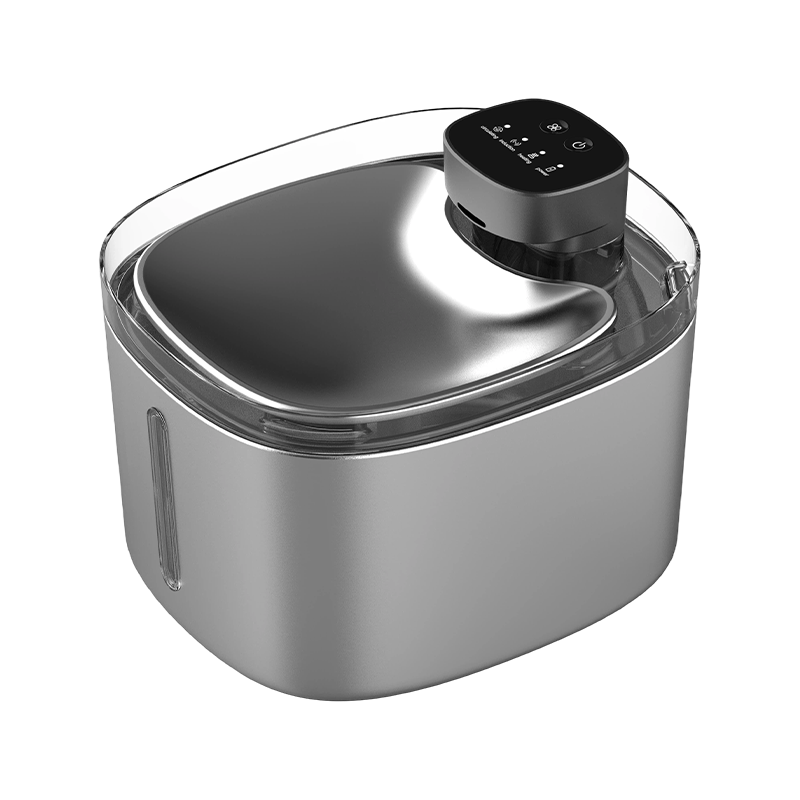
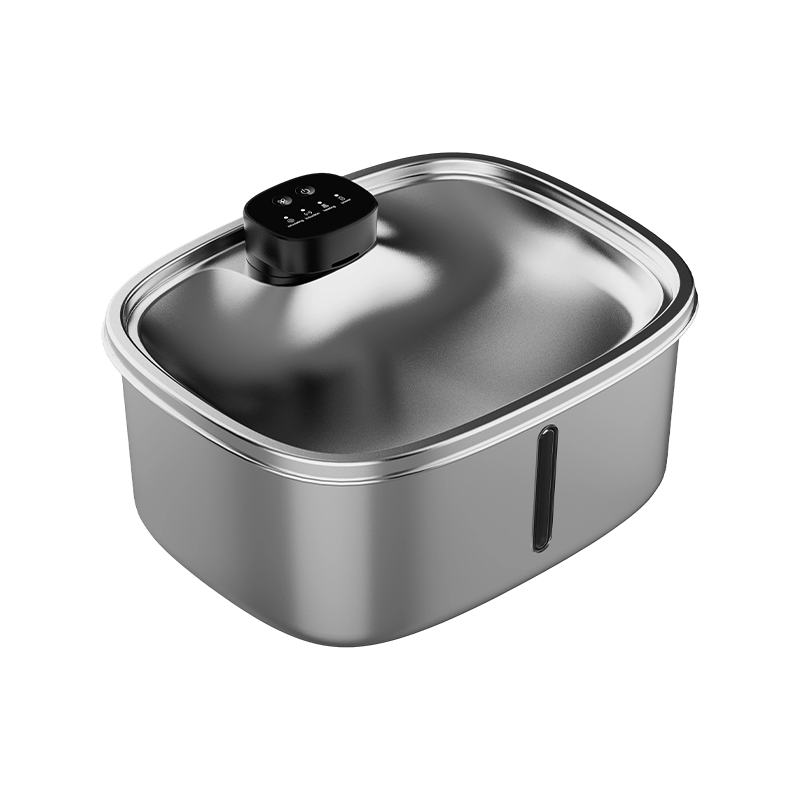
Stainless steel litter boxes have become a practical upgrade for owners who dislike plastic odor retention and scratching. The material resists bacteria more effectively when cleaned properly, does not absorb urine, and holds up to repeated scooping. For retailers, the story is simple: a hygienic, durable pan that justifies a higher price than a basic plastic tray.
The trade-off is weight and tooling. A stainless steel cat toilet product may weigh 2 to 4 kg more than a comparable plastic pan, which raises freight per unit. Deep drawing quality also matters. A pan that is too thin can flex, rattle, or dent during shipping. For large cats, look for a low entry lip and a high back wall. A semi-enclosed design gives privacy without trapping odors as strongly as a fully hooded box.
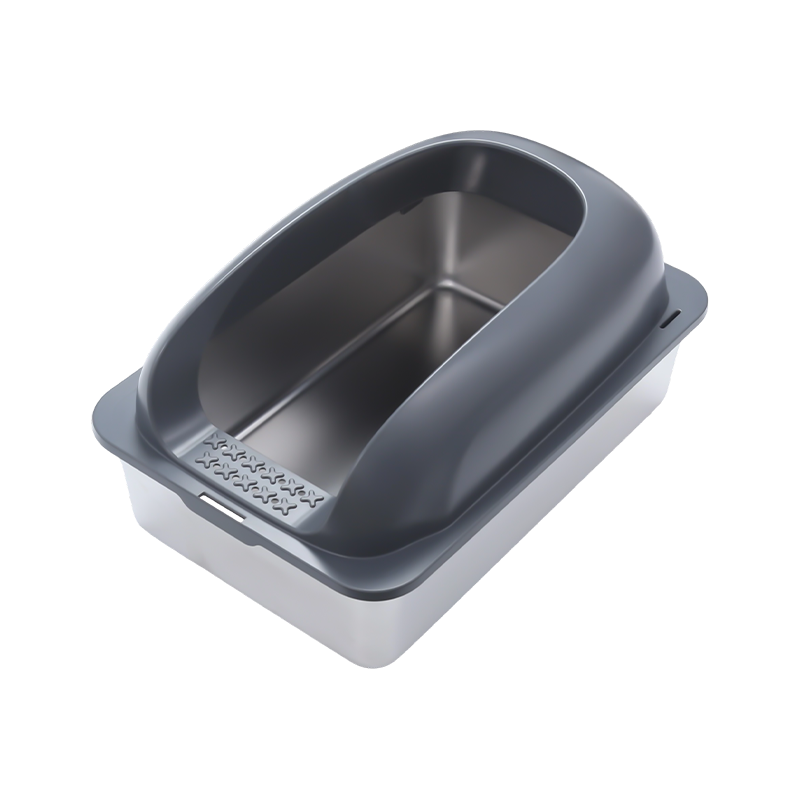
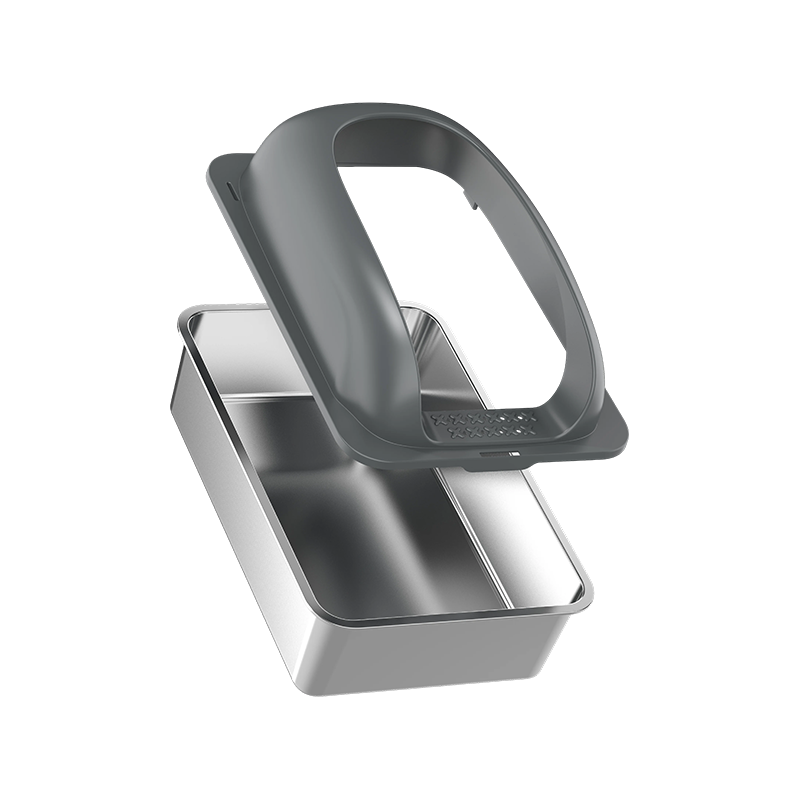 MAS611 Semi-Enclosed Large Cat Litter Box with Scoop and DrawerFeatures an enlarged interior, high baffle, non-stick bottom, and built-in trash bag drawer for easier cleaning and litter containment.View Product →
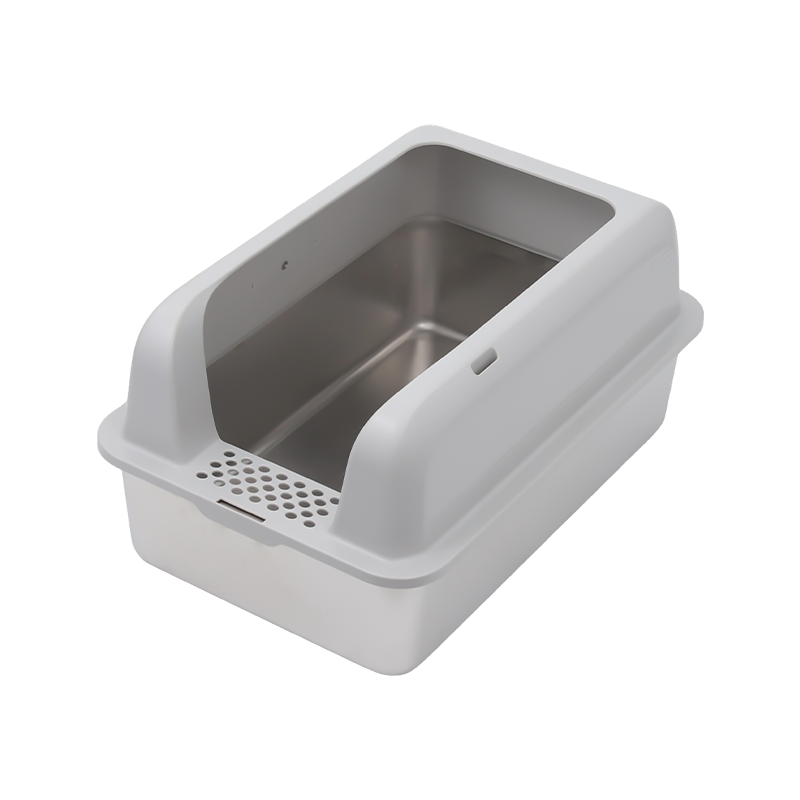
For households with enthusiastic diggers, a splash-proof stainless steel model can reduce litter scatter. The key specification is the rim height and the gap between the pan and the hood or shield. If the gap is too wide, litter still escapes; if it is too narrow, cleaning becomes difficult.
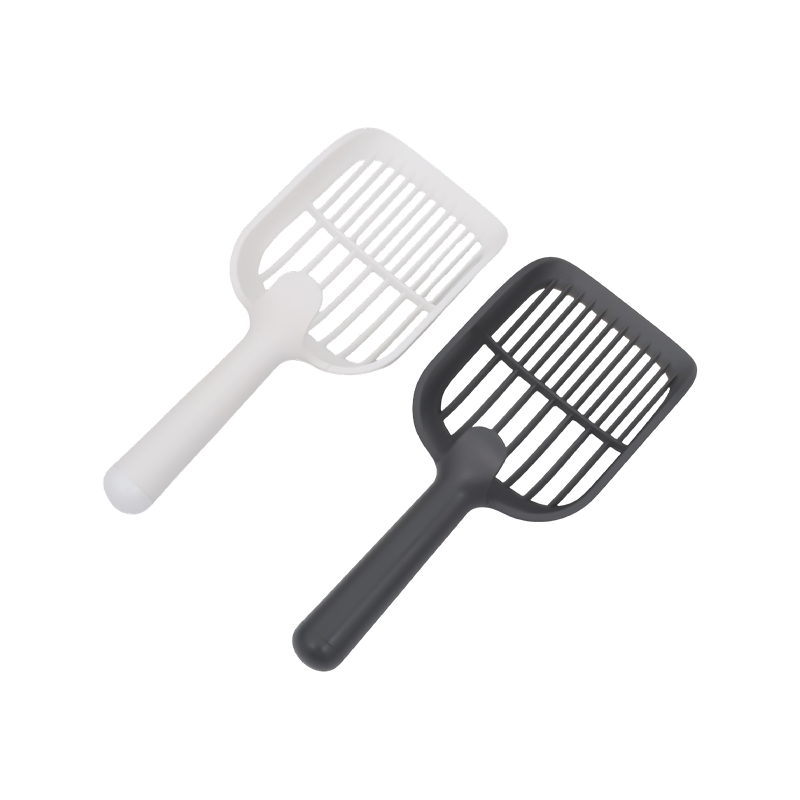 NAS612 Stainless Steel Splash-Proof Cat Litter Box with ScoopElectrolytically treated stainless steel and a raised barrier help contain litter, while the oversized scoop supports faster, cleaner waste removal.View Product →
Comparing Cat Toilet Product Formats Before You Order
The table below summarizes the main commercial differences. Use it as a first filter, then confirm the exact dimensions and packaging with the factory.
| Format | Typical Material | Cleaning Method | Best Channel | Primary Sourcing Risk |
|---|---|---|---|---|
| Open tray | PP or ABS plastic | Manual scooping | Discount retail, bulk bundles | Thin walls, weak corners |
| Semi-enclosed pan | Plastic or stainless steel | Manual scooping | Pet specialty, e-commerce | Odor trap, difficult cleaning |
| Smart self-cleaning | Plastic housing with electronics | Automatic rake or sifting cycle | Premium e-commerce, tech-focused retail | Motor, sensor, and spare-part failure |
How to Read a Cat Toilet Product Specification Sheet
A specification sheet should be a purchasing document, not a marketing page. It needs dimensions, material grade, and test standards. If a supplier only sends a catalog image, request a controlled drawing. The drawing should show the inner pan length, width, and depth, because external dimensions can be misleading. A box marketed as “large” may have an inner length of 50 cm or 58 cm; that difference changes whether a 6 kg cat can turn around comfortably.
Dimensions and Tolerances
For plastic parts, a normal injection molding tolerance is around +/-0.5 mm for critical fit points and +/-1 mm for non-critical edges. Stainless steel pans may have a tolerance of +/-1.5 mm on the rim and base. Ask for the critical-to-quality points: entry height, rim thickness, lid fit, and waste drawer alignment. If the lid does not sit flush, odor complaints follow. If the drawer is misaligned, the automatic cycle jams.
Material and Surface Checks
- Plastic: confirm virgin PP or ABS, not regrind-heavy material. Regrind can reduce impact strength and cause odor absorption.
- Stainless steel: confirm grade, usually 304 for litter pans. Check for burrs, weld spots, and passivation quality.
- Coatings: avoid unknown antimicrobial additives unless the supplier provides safety documentation for the target market.
- Packaging: drop-test the master carton from the retailer’s required height, often 76 cm or 90 cm.
These checks are not theoretical. A one-millimeter misalignment in a self-cleaning rake can cause a motor to stall. A sharp stainless steel edge can turn a routine return into a safety claim. Both problems are cheaper to fix before production than after a container leaves the port.
Landed Cost and Channel Fit
Price per unit is only one line in the calculation. For cat toilet products, landed cost includes freight, packaging volume, duty, and return rate. Smart units have a higher return rate if the app, sensor, or motor underperforms. Stainless steel pans have a lower return rate but higher freight. Plastic trays are cheap to ship but compete on price, so margin depends on molded quality and bundle strategy.
The chart below uses indicative shipping weights to show why format choice affects logistics. It is not a quote; it is a planning comparison for buyers.
A 12 kg smart unit may ship at a lower unit cost than a 9 kg stainless pan if it fits into a smaller carton, but electronics also require protective foam, anti-moisture bags, and stronger drop protection. Always compare cost per cubic meter, not just cost per kilogram.
Supplier Qualification Questions
Strong supplier qualification reduces the risk of a delayed or inconsistent cat toilet product order. Ask these questions before sample approval:
- Can you provide the mold and injection capacity for the plastic components?
- What is the monthly output for the specific model, and what is the lead time for repeat orders?
- Do you test the full cleaning cycle, not just the electrical components?
- What is the warranty policy, and which spare parts are stocked?
- Can you customize color, logo, packaging, and carton markings?
- What are the packaging dimensions and container load quantities?
A manufacturer with in-house mold making and injection molding can usually respond faster to fit and finish changes. That matters when a retailer asks for a lower entry lip, a different waste drawer, or a custom color. It also helps control tolerances across production lots, which is where many litter box complaints begin.
If you are planning a cat toilet product line, start with the format that matches your buyer’s routine, then lock the specifications that drive returns: dimensions, material grade, cleaning cycle, sensor reliability, and spare-part supply. Smart self-cleaning models can lift average order value; stainless steel pans can build a reputation for hygiene and durability; plastic trays can fill high-volume price points. The right mix depends on your channel, not on a single “best” model.
Before placing a bulk order, request a full sample, run a 30-day cleaning test, and confirm the master carton drop result. That process costs less than a failed container.
Contact Information
No. 2, Macaotou Road, Mazhu Town, Yuyao City, Zhejiang Province, China
+86-15669283739
Copyright © Ningbo Meace Pet Products Co., Ltd. Rights Reserved
