

 English
 Español
 Português

-
+86-15669283739
-

-
Home / News / Industry News / Pet Smart Products Factory: Applications, Selection Criteria, and Practical Guidance
Pet Smart Products Factory: Applications, Selection Criteria, and Practical Guidance
2026-10-29
Content
- 1 What a Pet Smart Products Factory Must Be Able to Do
- 2 Auditing a Factory: The Capability Checklist That Predicts Quality
- 3 Smart Pet Product Lines and What Their Production Demands
- 4 Quality Control and Global Compliance: What to Verify
- 5 Delivery, Customization, and the Cost of a Wrong Factory Choice
You receive a sample of a smart pet water fountain. It works for three days. On day four, the pump starts making noise and the water flow drops. The factory says the pump came from its supplier and offers to change it, but the replacement has a different connector, which forces a circuit board redesign. Three weeks disappear.
The conclusion is simple: before you compare prices, verify the manufacturing depth of the pet smart products factory you are evaluating. Smart pet products combine plastic enclosures, electronic components, and moving parts, so the factory's control over the whole production chain directly determines your product's reliability. A factory that owns its mold shop, injection molding, and assembly line can fix the root cause quickly. A factory that only assembles purchased parts can only pass the problem back up its supply chain.
What a Pet Smart Products Factory Must Be Able to Do
Smart pet products occupy a demanding position in manufacturing. They look like plastic goods, but they contain pumps, sensors, motors, and printed circuit boards. A water fountain must remain leak-proof after months of continuous operation. A smart litter box must detect waste through dust and litter. An automatic feeder must dispense food reliably without jamming.
A capable factory must master four areas:
- Mold design and fabrication. Smart product housings have undercuts, snap fits, and thin walls that require precision tooling. If the factory owns the mold workshop, it can adjust the tool when problems appear.
- Injection molding with process control. Consistent wall thickness and flatness depend on injection parameters. A factory with its own injection molding machines controls this directly.
- Electronic integration. The wiring, soldering, and waterproofing of sensors, pumps, and boards decide how long the product lasts.
- End-of-line testing. Every unit needs electrical safety checks, functional cycling, and, for water products, leak tests.
When one factory completes all four steps, changes happen faster and quality issues are easier to trace. When any step is outsourced, you add a new handoff point and a new source of variance. Experience since 2012 also means the engineering team has solved edge cases such as pump seal wear and sensor drift.
Auditing a Factory: The Capability Checklist That Predicts Quality
Verifying a factory's claims starts with a structured checklist. Use the following table as a guide during your factory tour.
| Capability | Why It Matters | What to Verify |
|---|---|---|
| Mold workshop | Custom housings and quick design revisions | Number of toolmakers, mold trial records, EDM and CNC equipment |
| Injection molding | Unit cost and consistency | Number of presses, tonnage range, process parameter records |
| Electronic assembly | Reliable smart features | Assembly stations, soldering inspection procedures |
| Product testing | Safety and durability | Leak testers, endurance test fixtures, batch test records |
Ask to see the mold maintenance log, the injection parameters of a running product, and the number of mold trials before a sample is sent. The answers reveal whether problems are solved with engineering or with excuses.
Concrete numbers make the audit easier. A factory running 50 injection molding machines and more than 10 assembly lines can schedule pilot runs and mass production in parallel. Verify this scale during your plant walk.
The risk profile changes significantly depending on whether tooling and molding are in-house. Compare the typical outcomes below.
| Factor | In-House Mold and Molding | Outsourced Mold and Molding |
|---|---|---|
| Design change turnaround | 2 to 3 weeks typical | 5 to 8 weeks typical |
| Unit cost control | More room for optimization | Fixed external pricing |
| Quality traceability | One responsible party | Multiple handoff points |
| MOQ flexibility | Lower because of internal scheduling | Higher because suppliers impose batch rules |
Smart Pet Product Lines and What Their Production Demands
A full-line factory organizes production by category. Each category shares the same core processes but has a critical parameter you should understand.
- Smart hygiene
- Smart self-cleaning cat litter box
- Stainless steel cat litter box
- Smart hydration
- Circulating filter pet water fountain
- LED night-light visual water fountain
- Silent night-visible water fountain
- Smart feeding
- One-piece dual-bowl smart feeder
- Remote-controlled automatic feeder
- Smart walking
- Retractable anti-burst leashes
- Running leashes with shock absorption
- Smart grooming
- 3-in-1 hair vacuum, clipper, and comb
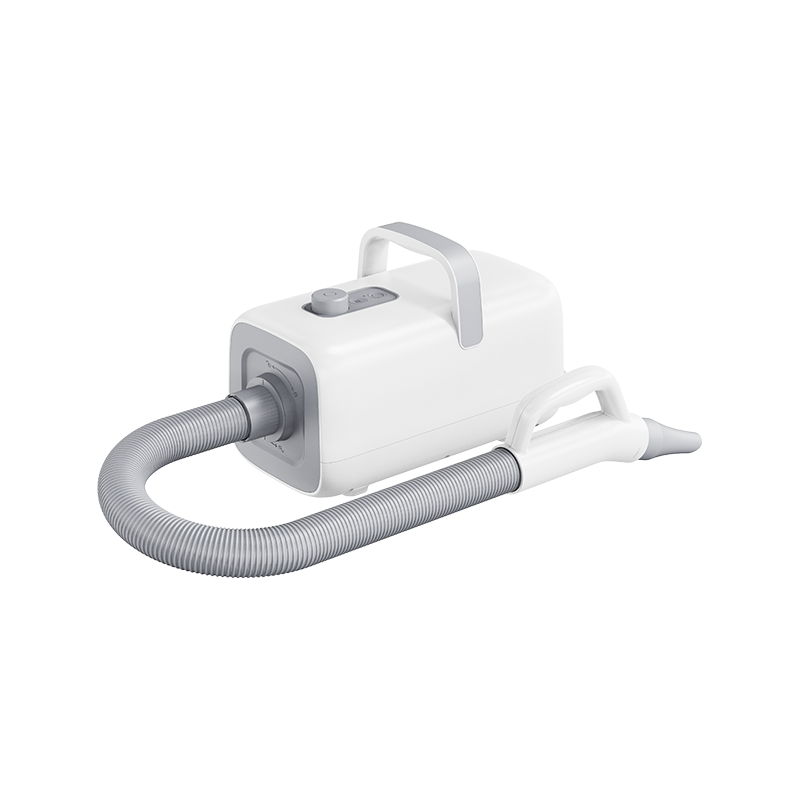
- Smart pet blow dryer
- Dematting comb
Smart litter boxes are the most demanding category. A motor-driven rake or rotating drum, weight sensors, and odor control all live in one enclosure. Sealing is critical because urine and litter dust can reach the electronics. A factory with existing litter box lines knows where to place seal points and how to test them. The industry is moving toward AI and IoT features, so choosing a partner who keeps up with smart litter box market trends is even more important.
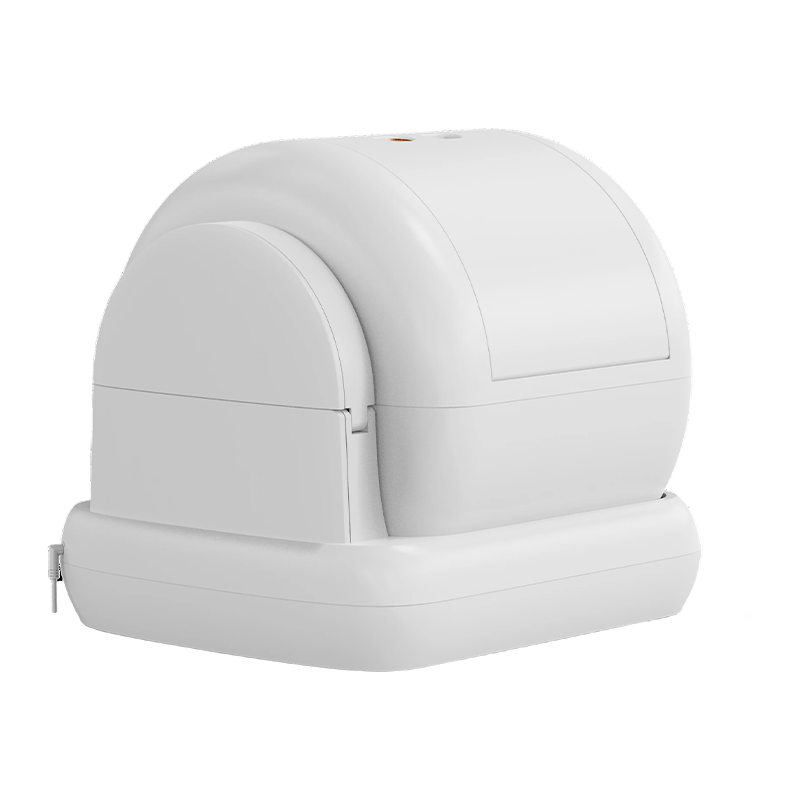 Smart Self-Cleaning Cat Litter Box with App ControlThis automated litter box addresses the motor, sensor, and sealing challenges discussed above. Its ABS/PP build and remote monitoring fit the trend toward smart, IoT-enabled pet care.View Product →
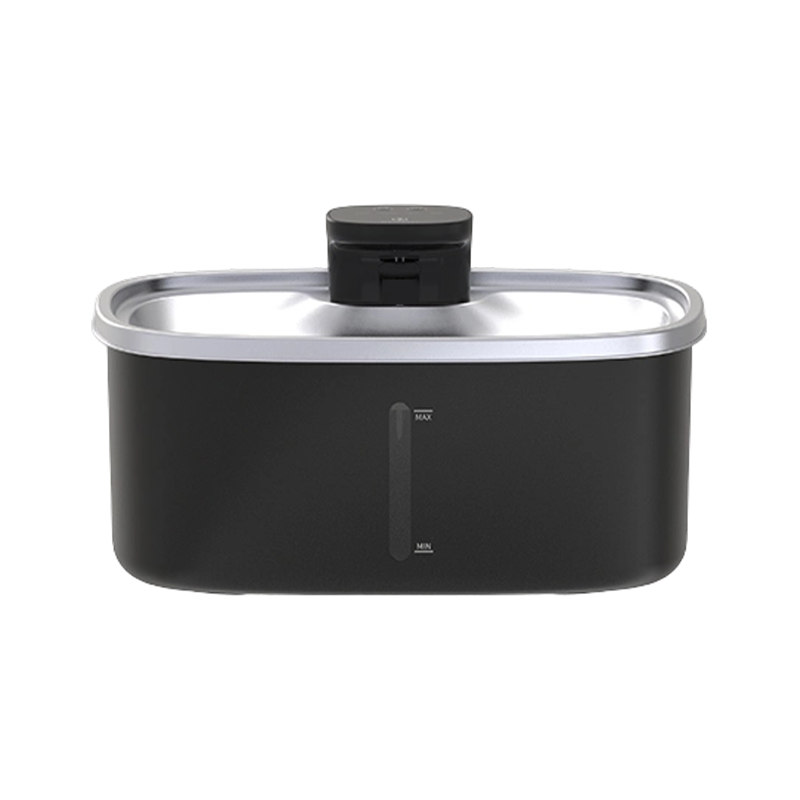
Pet water fountains are the second high-risk category. The pump runs continuously, so noise, flow rate, and pump lifespan are decided during assembly. The water path must be easy to clean, and the plastic must survive repeated washing. A well-built fountain runs quietly for months. A poorly assembled one fails in front of your customer.
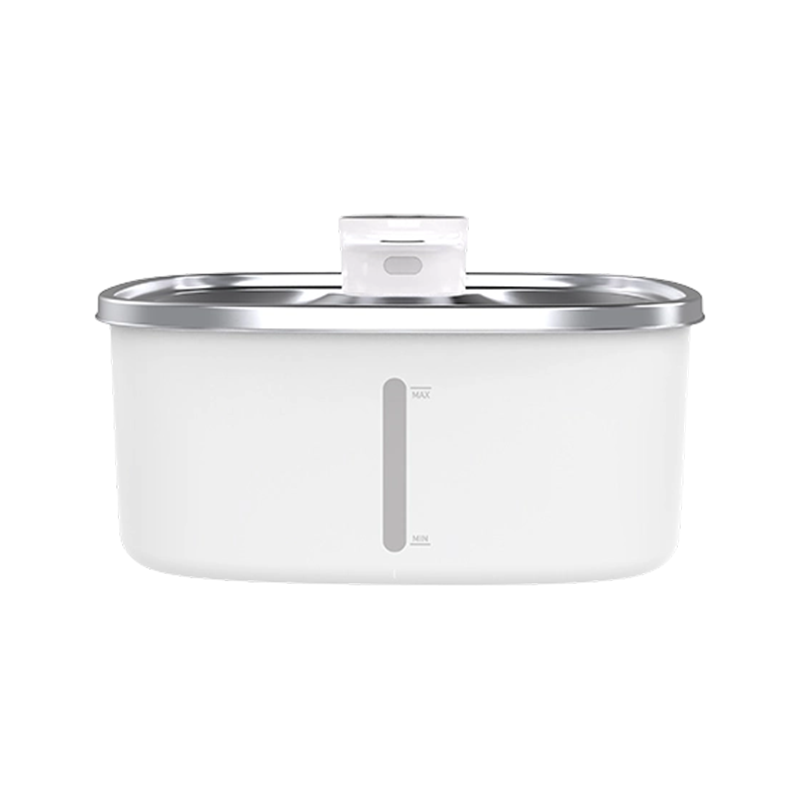 Circulating Filter Pet Smart Water Fountain with Battery BackupEngineered for quiet, low-maintenance operation, this fountain's multi-layer filtration and sensor modes tackle the pump reliability and cleaning concerns highlighted in this section.View Product →
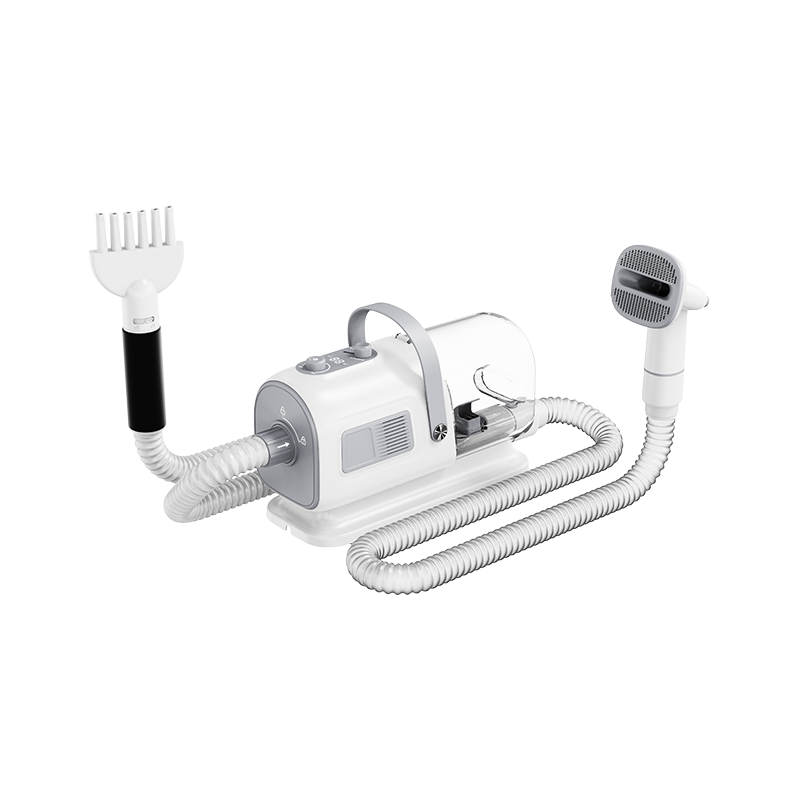
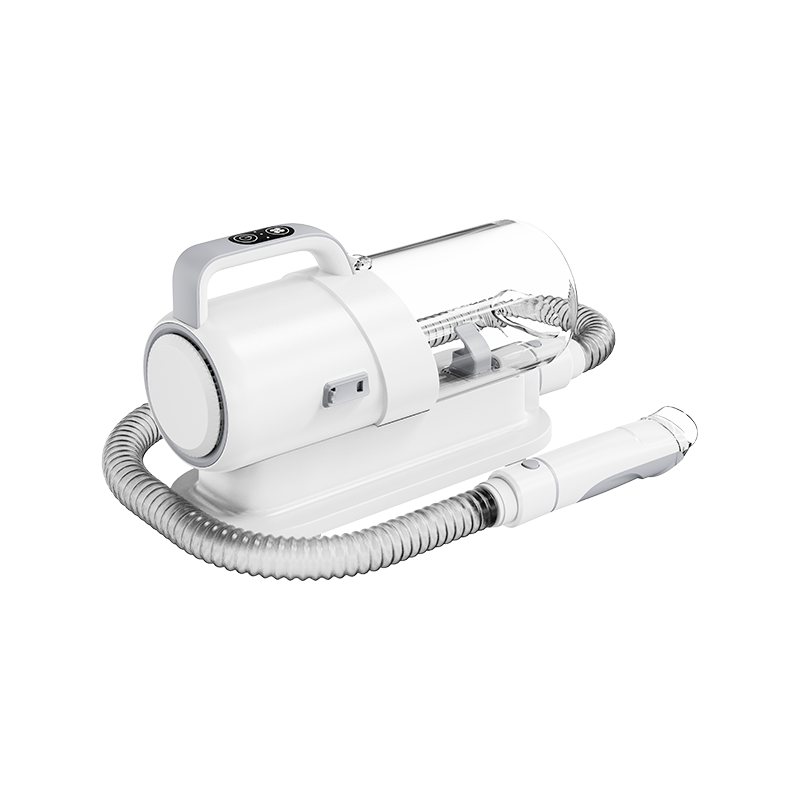
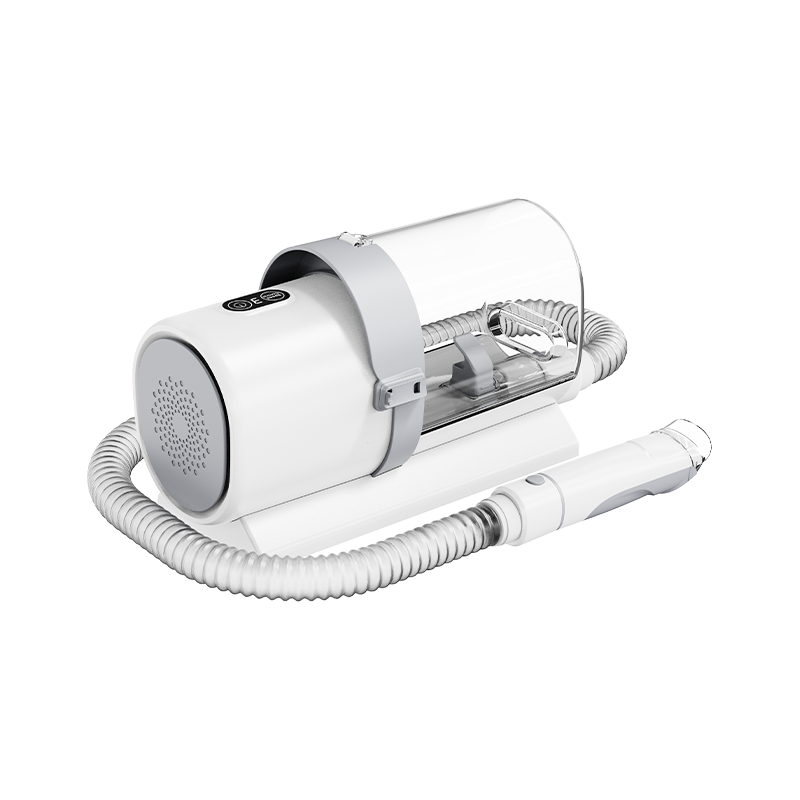
Grooming tools with vacuum and clipper functions combine motorized airflow with sharp blades. The manufacturing challenge is balancing airflow, noise, and blade safety. Blades must stay sharp through repeated use, and the vacuum path must not clog. Most are sold as kits, which adds packaging complexity.
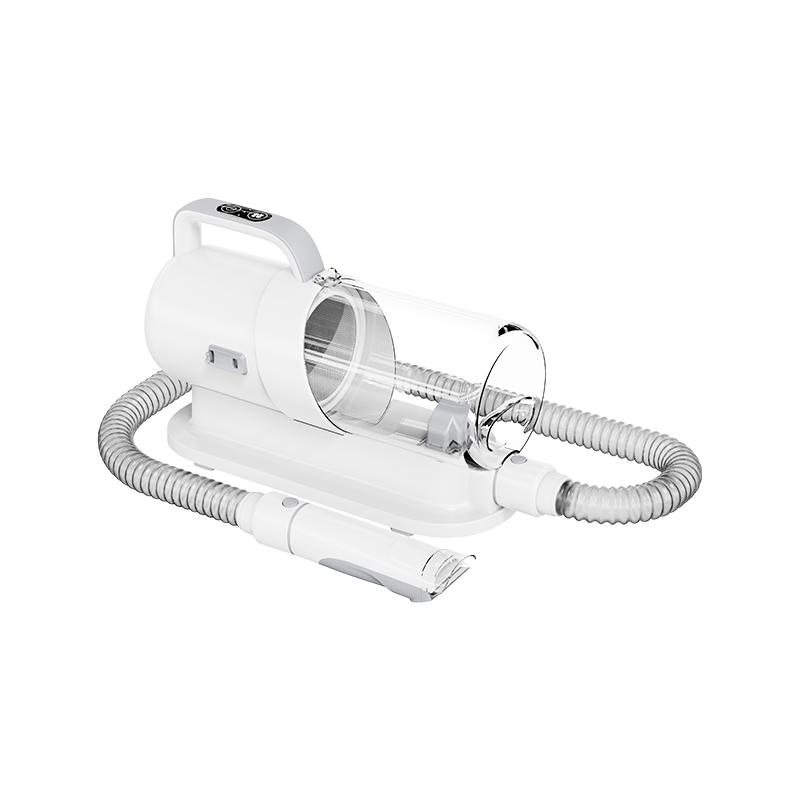 3-in-1 Pet Hair Vacuum, Clipper, and Comb Grooming KitCombines suction, clipping, and combing in one unit, balancing airflow and blade safety. The detachable dust box and multiple cutting modes simplify grooming and packaging.View Product →
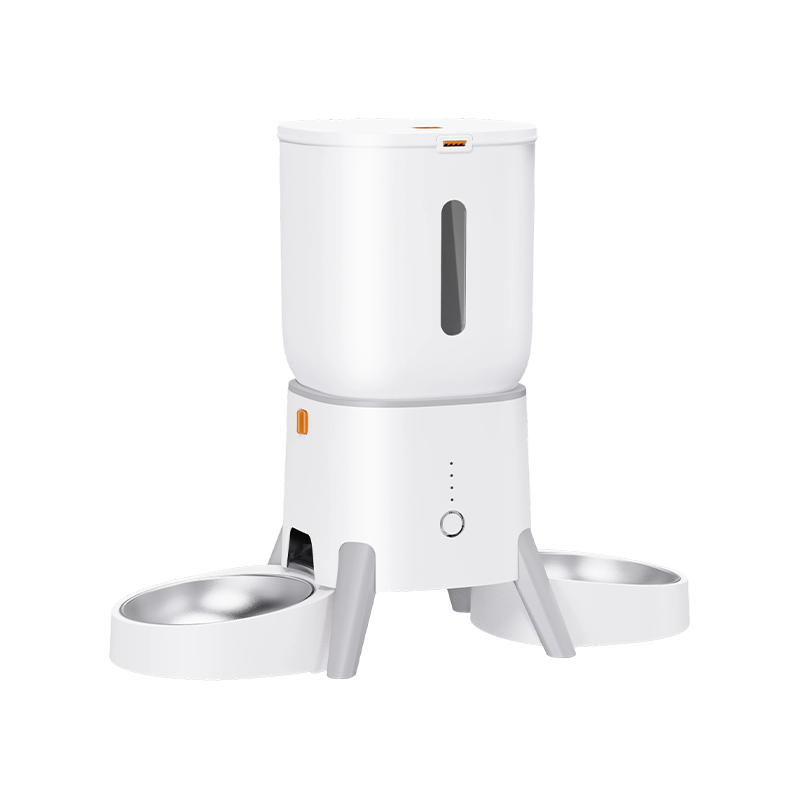
Automatic feeders and retractable leashes also rely on the same in-house capabilities. Feeders need food-safe materials and precise dispensing. Retractable leashes need strong braking and impact-resistant housings. Both benefit from in-house custom plastic parts.
Quality Control and Global Compliance: What to Verify
Smart pet products ship to markets with different safety expectations. North America and the European Union are strict about electrical safety and material safety. If the factory cannot show its conformity assessment process, your container may sit at customs or face a recall after sale.
A reliable QC process covers incoming inspection, in-process checks, and final sampling. Verify these checkpoints:
- Incoming material inspection for plastic resin and electronic components
- First article inspection after every mold change
- In-process checks for critical dimensions and sealing
- Functional testing of every assembled unit
- AQL-based sampling for appearance and packaging
Certificates are useful but not proof by themselves. Ask to see records that connect the certificate to a specific production batch; that connection is what makes certifications meaningful.
Delivery, Customization, and the Cost of a Wrong Factory Choice
Customization is where an in-house factory wins. If you want a custom color, a logo, or a modified button layout, the change goes directly to the internal tool room and molding team. You receive a realistic timeline and tooling cost in the same conversation.
When comparing factories, watch for these red flags:
- The factory cannot name the resin grade it uses for food-contact parts.
- The engineering team has no water-resistance test rig.
- The factory pushes for sample approval before the mold has been verified.
- The company name on the quote differs from the factory name on the invoice.
These signs suggest you are dealing with a trading company or a light assembly shop, not a complete manufacturer. Consider the total cost of a wrong choice: a failed pilot run, a delayed launch, and a damaged reputation with your customers. The extra effort spent on a serious factory is insurance.
Choose a pet smart products factory for its manufacturing depth, not for its price list. You want a partner who can make the mold, run the injection molding, assemble the electronics, and test the finished product under one roof. That combination shortens revision cycles, stabilizes quality, and reduces surprises during mass production. A factory with established lines in smart litter boxes, water fountains, feeders, grooming tools, and leashes, like the one described on the manufacturer's website, is the partner your product deserves.
Contact Information
No. 2, Macaotou Road, Mazhu Town, Yuyao City, Zhejiang Province, China
+86-15669283739
Copyright © Ningbo Meace Pet Products Co., Ltd. Rights Reserved
